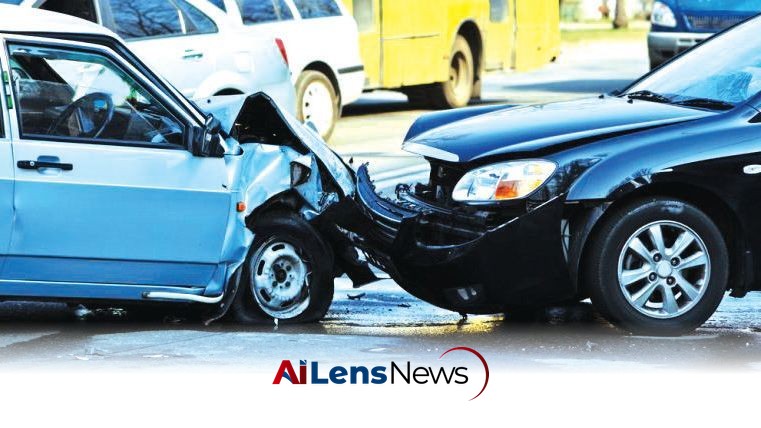


Public health experts in Jammu and Kashmir emphasize the need for a comprehensive 'Safe System Approach' to reduce road traffic injuries, focusing on safer roads and responsible road users.
New Delhi, India Jul 12, 2026 ALN: Srinagar: Stressing that road traffic injuries are preventable, public health experts have called for adopting a comprehensive “Safe System Approach” in Jammu and Kashmir, focusing on safer roads, responsible road users, safer vehicles, effective law enforcement, and improved post-crash emergency care. The call to action comes in light of alarming statistics regarding road accidents in the region, which have raised concerns among health officials, policymakers, and the general public alike.
The framework, as per Dr S. Muhammad Salim Khan, Professor, Department of Community Medicine at Government Medical College Srinagar, “outlines a multi-sector strategy based on the internationally recognised Haddon Matrix, which examines factors before, during, and after road crashes to reduce fatalities and serious injuries.” The Haddon Matrix is a well-established tool used globally to analyze and develop strategies for road safety, focusing on pre-crash, crash, and post-crash phases. This comprehensive approach is essential for addressing the multifaceted nature of road traffic injuries, which are influenced by a variety of factors including human behavior, vehicle safety, and road conditions.
The framework emphasises that “road safety is a shared responsibility involving government departments, law enforcement agencies, healthcare institutions, educational institutions, civil society organisations, and citizens.” This collaborative approach is crucial, as it recognizes that no single entity can tackle the issue of road safety alone. Instead, it requires a concerted effort from all sectors of society to create a safer road environment. By engaging various stakeholders, the initiative aims to foster a culture of road safety that permeates all levels of society, from government officials to everyday citizens.
As per the recommendations, “human behaviour remains one of the most important contributors to road crashes.” Drivers should “possess valid driving licences, avoid speeding, refrain from using mobile phones while driving, never drive under the influence of alcohol or drugs, ensure adequate sleep before long journeys, and strictly use helmets, seat belts, and child restraint systems.” Defensive driving, maintaining safe distances, and adhering to traffic rules are also highlighted as essential measures. The emphasis on human behavior underscores the importance of education and awareness campaigns aimed at changing driver attitudes and behaviors. Such initiatives could include workshops, community outreach programs, and school-based education to instill safe driving habits from a young age.
The document, as per KNO, further stresses that “prompt post-crash response can save lives.” It advises people to “immediately contact emergency services through 112 or 108, provide first aid only if trained, avoid moving seriously injured victims unless necessary, control bleeding, and assist in safe evacuation until medical teams arrive.” This information is critical, as timely medical assistance can significantly reduce the severity of injuries sustained in road accidents. Public awareness campaigns that educate citizens on how to respond in the event of a crash can be invaluable, potentially saving lives and improving outcomes for victims.
Vehicle safety has been identified as a “critical pillar of accident prevention.” The report recommends “regular vehicle fitness checks, proper tyre maintenance, functional brakes and lighting systems, emission control, and adherence to permissible load limits.” It also encourages the use of “modern safety technologies such as airbags, Anti-lock Braking Systems (ABS), Electronic Stability Control (ESC), rollover protection, daytime running lights, GPS-based emergency location systems, and automatic crash notification systems” to minimise crash impact. As vehicles become increasingly equipped with advanced safety features, it is essential for both manufacturers and consumers to prioritize these technologies to enhance road safety.
Significant improvements in road infrastructure are also advocated. The framework calls for “well-maintained roads, clear lane markings, reflective signages, median barriers, guard rails, adequate street lighting, black spot identification and correction, pedestrian crossings, motorcycle lanes where feasible, and proper drainage systems.” The quality of road infrastructure plays a pivotal role in preventing accidents, and investment in these areas is crucial. The report also recommends establishing “trauma care centres at regular intervals along highways, clearly marked emergency phones, helipad access in remote areas, and uninterrupted all-weather road maintenance.” Such facilities would ensure that emergency services can respond swiftly and effectively, particularly in remote regions where access can be challenging.
“Strong policy measures and strict enforcement are equally important,” the report states. It suggests measures like “installation of speed cameras, enhanced surveillance, strict penalties for traffic violations, graduated licensing systems, compulsory road safety education in schools, enforcement of helmet and seat belt laws, child restraint regulations, vehicle fitness certification, emergency trauma care standards, and integrated road crash data systems.” The implementation of these measures would require cooperation between various government departments and law enforcement agencies, highlighting the need for coordinated action to achieve meaningful progress in road safety.
The framework also highlights “several measurable Key Performance Indicators (KPIs)” for assessing progress over the next five years. These include “a substantial reduction in road traffic deaths, increased compliance with helmet and seat belt usage, greater use of child restraint systems, reduction in accident-prone black spots, improved ambulance response times—targeting less than 15 minutes in urban areas and under 30 minutes on highways—and comprehensive trauma registry reporting across healthcare facilities.” By establishing clear KPIs, stakeholders can monitor the effectiveness of implemented strategies and make necessary adjustments to improve outcomes.
Recognising Jammu and Kashmir’s unique geographical challenges, the document proposes “region-specific interventions.” On National Highway-44 and other highways, it recommends “strict control of over-speeding, fatigue management for long-distance drivers, early warning systems for fog, snow, and black ice, installation of rumble strips and reflective signage, regular highway patrols, intelligent transport systems, and trauma stabilisation units every 50 to 75 kilometres.” These tailored interventions acknowledge the specific risks associated with the region's diverse topography and weather conditions, which can exacerbate road safety issues.
For the mountainous roads, the framework advocates “stronger guard rails, landslide and rockfall protection measures, avalanche monitoring systems, escape lanes on steep descents, convoy regulation during snowfall, slope stabilisation, and improved reflective signage and curve mirrors.” The mountainous terrain of Jammu and Kashmir presents unique challenges for drivers, necessitating targeted measures to enhance safety in these areas. These recommendations aim to mitigate the risks associated with treacherous driving conditions and enhance the safety of both drivers and passengers.
In urban centres like Srinagar and Jammu, it recommends “speed-calming measures near schools and hospitals, protected pedestrian crossings, dedicated cycling infrastructure where feasible, intelligent traffic signal systems, better parking management, dedicated public transport lanes, and CCTV-based traffic enforcement.” Urban areas often experience higher traffic volumes and pedestrian activity, making it essential to implement measures that protect vulnerable road users. The integration of technology, such as intelligent traffic signal systems and CCTV surveillance, can enhance enforcement and improve traffic flow, contributing to safer urban environments.
The report identifies a “wide range of stakeholders responsible for implementing these measures,” including “the Health and Medical Education Department, Traffic Police, Transport Department, Public Works Department, National Highways Authority of India (NHAI), National Health Mission, Municipal Corporations, medical colleges, district hospitals, educational institutions, NGOs, media organisations, and the general public.” The diverse array of stakeholders involved underscores the complexity of road safety initiatives and the importance of collaboration across sectors to achieve meaningful change.
It concludes that “road crashes are preventable through coordinated action and sustained public awareness.” The report urges every road user to “follow traffic rules, avoid speeding, never drink and drive, refrain from mobile phone use while driving, wear helmets and seat belts, respect pedestrians, and contribute towards building a safer road environment across Jammu and Kashmir.” This call to action emphasizes the role of individual responsibility in promoting road safety, highlighting that every road user has a part to play in preventing accidents.
“Follow traffic rules—it’s not just the law, it’s a responsibility towards protecting human life,” the framework states, reiterating that “safe roads, safe speeds, safe vehicles, safe road users, and safe post-crash care together can save thousands of lives.” The implementation of the Safe System Approach in Jammu and Kashmir is not only a public health imperative but also a moral obligation to protect the lives of all road users. By fostering a culture of safety and responsibility, stakeholders can work together to significantly reduce road traffic injuries and fatalities in the region.
To learn more about the latest developments in Public Health, stay updated with our exclusive reports and analyses on AiLensNews.

