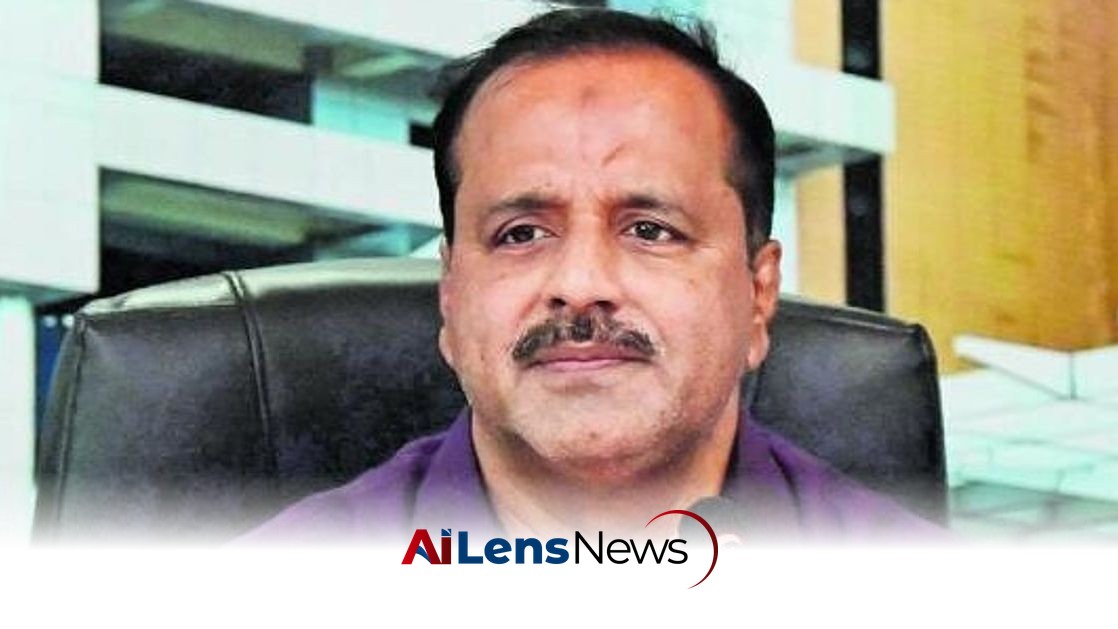


The Karnataka government plans to increase salaries and provide allowances for doctors serving in border and remote regions, as announced by Health Minister U T Khader.
New Delhi, India Jul 12, 2026 ALN: Shivamogga: Karnataka Health Minister U T Khader announced on Saturday that the state government will implement a salary increment and additional allowances for doctors working in border areas and remote villages, particularly those on the fringes of forests. This proposal has been submitted to the Finance Department for approval.
The announcement reflects a growing recognition of the challenges faced by healthcare professionals in remote areas, where access to medical facilities and resources is often limited. Doctors working in these regions frequently encounter difficulties such as inadequate infrastructure, long travel times to reach patients, and the need to manage a wide range of medical conditions with minimal support. By increasing salaries and providing additional allowances, the Karnataka government aims to incentivize medical professionals to serve in these underserved areas, which are crucial for improving overall health outcomes in the state.
During a press interaction in Shivamogga, Khader stated, “Chief Minister D K Shivakumar has approved the recruitment of doctors, nurses, pharmacists, laboratory technicians, and Group D employees at Primary Health Centres, taluk, and district hospitals. We will initiate the recruitment process soon.” This comprehensive recruitment drive is expected to address the staffing shortages that have long plagued healthcare facilities in rural and remote regions. Many of these centers have struggled to attract and retain qualified personnel, which has resulted in overworked staff and compromised patient care.
In addition to the financial incentives for existing medical staff, the recruitment of new healthcare workers is essential for ensuring that communities have access to necessary medical services. The inclusion of various healthcare roles, from doctors to support staff, highlights the government's commitment to building a robust healthcare workforce capable of meeting the diverse needs of the population.
Furthermore, Khader mentioned that the District McGann General Hospital in Shivamogga has been transferred to the Shivamogga Institute of Medical Sciences. This transfer is part of a broader strategy to enhance the quality of healthcare services in the region by integrating hospital operations with educational institutions. By aligning hospitals with medical colleges, the government aims to create a dynamic environment where students can learn alongside experienced practitioners, ultimately improving the standard of care provided to patients.
Plans are underway to construct a new district hospital in the city, with efforts currently focused on identifying suitable land for the project. The establishment of a new hospital is a significant step towards expanding healthcare infrastructure, particularly in urban areas where population growth has led to increased demand for medical services. The new facility is expected to alleviate some of the pressure on existing hospitals, reduce wait times for patients, and provide a wider range of services.
The implications of these announcements are far-reaching. By prioritizing healthcare in remote areas, the Karnataka government is addressing a critical aspect of public health policy. Access to quality healthcare is a fundamental right, and ensuring that even the most isolated communities receive adequate medical attention is essential for reducing health disparities across the state.
Moreover, the focus on recruitment and retention of healthcare professionals in rural areas aligns with national health initiatives aimed at strengthening the healthcare system in India. The Indian government has recognized the need for a more equitable distribution of healthcare resources, particularly in light of the COVID-19 pandemic, which exposed the vulnerabilities in the healthcare infrastructure, especially in rural regions.
In recent years, various states have implemented similar measures to attract healthcare workers to underserved areas. These strategies often include financial incentives, housing allowances, and professional development opportunities. The success of such initiatives can serve as a model for other states facing similar challenges in healthcare delivery.
The Karnataka government's initiative is particularly significant as it acknowledges the unique challenges faced by healthcare providers in remote areas, which often include geographical isolation, limited access to advanced medical technology, and a higher burden of communicable and non-communicable diseases. The additional financial support may also encourage healthcare professionals to remain in these areas long-term, thereby reducing turnover rates and fostering continuity of care for patients.
Furthermore, this move is consistent with the broader global trend of addressing healthcare workforce shortages in underserved areas. Countries around the world are grappling with similar issues, and many have adopted innovative approaches to attract and retain healthcare workers. For example, some regions have introduced loan forgiveness programs for medical professionals who commit to working in rural areas for a certain number of years, while others offer enhanced training and career development opportunities in exchange for service commitments.
In the context of Karnataka, the government’s decision to enhance salaries and allowances can also be seen as a proactive measure to combat the potential exodus of healthcare professionals to urban centers, where salaries and opportunities are often more lucrative. By making rural postings more attractive, the government hopes to ensure that even the most remote communities have access to qualified medical personnel.
As the recruitment process begins and infrastructure projects like the new district hospital take shape, the focus will be on ensuring that healthcare professionals are supported in their vital roles. The overall goal is to create a more resilient healthcare system that can effectively serve all segments of the population, regardless of their geographical location.
This initiative not only aims to improve the working conditions for medical staff but also seeks to foster a healthier population by ensuring that everyone has access to necessary medical care. As these developments unfold, the response from healthcare professionals and the communities they serve will be critical in shaping the future of healthcare in Karnataka.
The Karnataka government’s actions may also inspire similar initiatives in neighboring states, potentially leading to a ripple effect throughout the region. As states observe the outcomes of Karnataka’s efforts to strengthen its healthcare workforce, they may adopt comparable strategies to address their own healthcare challenges, contributing to a more equitable distribution of health resources across India.
In conclusion, the Karnataka government's decision to enhance salaries and allowances for doctors in remote areas is a significant move towards improving healthcare access and quality in the state. The implications of this initiative extend beyond immediate financial benefits; they represent a strategic approach to addressing long-standing issues in healthcare delivery, particularly in rural and underserved regions. As the state continues to invest in its healthcare infrastructure and workforce, the potential for improved health outcomes for its citizens becomes increasingly attainable.
To learn more about the latest developments in Health News, stay updated with our exclusive reports and analyses on AiLensNews.

