

More
Checking your session
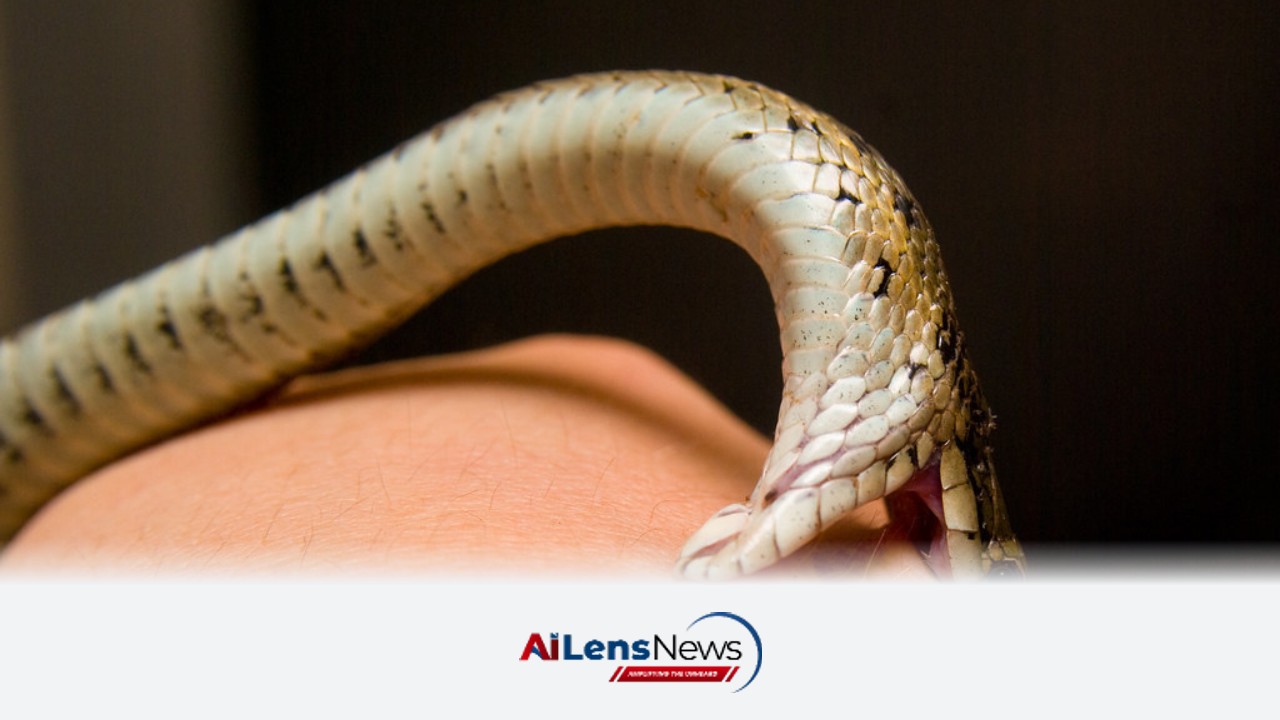



Despite devastating floods in Assam's Sivasagar district, the region recorded zero snakebite deaths due to effective preparedness and rapid response measures.
Dispur, India Aug 29, 2026 ALN: Guwahati: The devastating floods that hit Assam’s Sivasagar and Charaideo districts in July displaced thousands of people, damaged homes and infrastructure, and disrupted healthcare services.
They also triggered a sharp rise in human-snake encounters as floodwaters forced snakes out of their natural habitats and into human settlements.
Despite the disruption caused by the floods, Sivasagar district recorded zero snakebite deaths during the flood period, according to the Assam chapter of the ICMR SARPA Zero Snakebite Death Initiative.
The initiative attributed the outcome to advance preparedness, rapid communication, trained snake rescuers, emergency evacuation arrangements, and timely medical treatment.
Floodwaters inundated snake habitats, including burrows, agricultural fields, and thickets, forcing the reptiles to move towards higher ground. Houses, relief camps, schools, boats, and other public buildings subsequently became common locations for displaced snakes.
The risk remained even after the floodwaters receded, as snakes moved into newly accessible areas in search of food and shelter.
Against this backdrop, the SARPA Helpline, 9957875108, played a key role in assisting snakebite victims and coordinating snake rescues in affected areas.
Launched in February 2026, the helpline has responded to nearly 500 calls from across Assam. During and after the flood period, 209 snakebite victims received direct assistance through the helpline.
Callers were provided scientific, evidence-based guidance and advised against harmful traditional practices. They were also encouraged to seek medical attention without delay.
In flood-affected areas, however, reaching a hospital itself became a major challenge.
Ligiripukhuri Hospital in Nazira and the District Hospital at Joysagar were affected by flooding, while several roads and routes remained submerged. This raised concerns over potentially fatal delays in transporting victims of venomous snakebites to medical facilities.
Under the guidance of Dr. Surajit Giri, the helpline team collected preliminary information from callers, including the snake’s colour and size, the time of the bite, and symptoms reported. Based on the information, efforts were made to determine whether the snake was likely to be venomous or non-venomous.
For suspected venomous bites, evacuation plans were coordinated through the District Disaster Management Authority (DDMA), including the deployment of National Disaster Response Force (NDRF) and State Disaster Response Force (SDRF) resources when required.
During the peak flood period, only one person suffered a venomous snakebite and was safely evacuated to Sivasagar Civil Hospital using a dump truck. The victim subsequently recovered.
As major health facilities in Sivasagar and Nazira were affected by flooding, healthcare workers at Demow Model Hospital and CHC continued providing medical services throughout the crisis.
Hospital data for the period from July 20 to August 20 recorded 249 snakebite patients across three healthcare facilities in the district.
Sivasagar Civil Hospital treated 64 patients, including one venomous snakebite. Ligiripukhuri Hospital treated 25 patients, including one venomous bite by a King Cobra. Demow CHC-cum-Model Hospital treated 160 patients, including 24 venomous snakebites.
In addition, 209 victims received real-time assistance through the SARPA Helpline during and after the floods.
Data from Demow Model Hospital indicates that the risk increased significantly after the floodwaters began to recede.
Snakebite admissions at the hospital rose from 45 cases during the corresponding period in 2025 to 116 cases in 2026.
The increase has been attributed to the movement of snakes displaced by floodwaters into new areas as they search for food and shelter.
The trend underlines the importance of continued caution even after floodwaters recede. Epidemiological studies have previously established a link between flooding and increased snakebite incidence, particularly during the monsoon in flood-prone regions of South Asia.
A study published in the Journal of Environmental and Public Health, titled Assessing the Increase of Snakebite Incidence in Relationship to Flooding Events, reported a correlation between flooding events and increased snakebite incidence.
Studies from Assam have also found that a significant proportion of snakebites occur during the peak monsoon period. Flooding forces both people and snakes towards limited dry areas, increasing the possibility of encounters, while disruption of transport can delay access to treatment.
The SARPA response also included snake rescue operations.
The helpline connected residents with trained rescuers when snakes entered houses, relief camps, boats, and public buildings. More than 250 snakes were rescued and relocated from flood-affected areas of Sivasagar during and after the floods.
The initiative said the rescue operations helped reduce the risk of human-snake conflict while discouraging residents from attempting to catch or kill snakes themselves.
The SARPA Assam team comprising Dr. Rafika Yasmin, Partha Protim Barua, Manjeet Neog, Sukanya Bhagawati, and Aksheta Sharma coordinated the helpline response.
They were supported by trained local rescuers in Sivasagar, including Ramiz Ali, Robin Bailung, Jyoti Prasad Barua, Mrinmoy Jyoti Das, Rasmita Das, Sahil Rahman, Suraj Singh, and Balwinder Singh.
The team responded to calls around the clock despite severe weather conditions and inundated roads.
Dr. Surajit Giri, pioneer of the Demow Model for snakebite management, said preventing snakebite deaths requires more than administering antivenom at hospitals.
The SARPA initiative emphasised the need for public awareness, rapid communication, trained rescuers, emergency evacuation, and timely treatment as interconnected components of an effective snakebite response during disasters.
To learn more about the latest developments in Health News, stay updated with our exclusive reports and analyses on AILensNews.

The Life Insurance Corporation of India has invested Rs 4.67 crore in Assam Medi…

Congress MP Gaurav Gogoi urges the Centre to implement a nationwide strategy to …
In response to the ongoing floods, Sivasagar has ramped up vector control and di…

The Assam health department has launched extensive health initiatives post-flood…

Gauhati University, in collaboration with its NSS Cell, launched the 'Nasha Mukt…