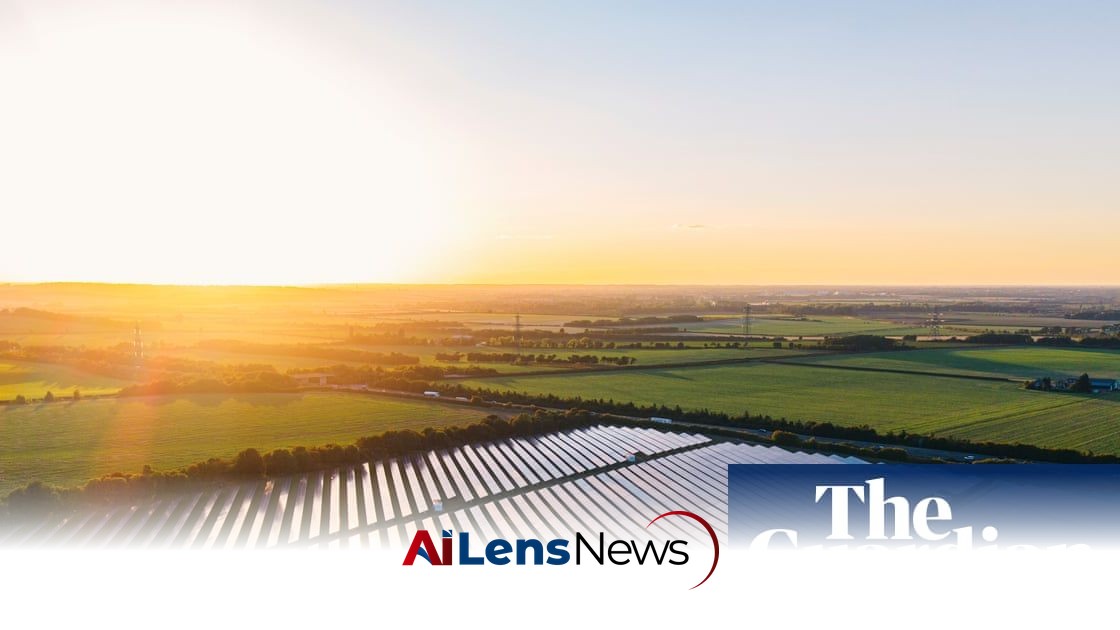


A reader questions the placement of solar farms on green spaces instead of utilizing car parks, sparking a discussion on renewable energy solutions.
New Delhi, India Jul 5, 2026 ALN: In a world increasingly focused on renewable energy solutions, the placement of solar panels has become a topic of significant debate. A reader from Middlesbrough, Chris, poses an intriguing question: why do we build solar farms on green spaces when there are ample opportunities to install them over vast car parks? This question not only reflects a growing concern for land use but also highlights the potential for innovative approaches to renewable energy. As society grapples with the challenges of climate change and the need for sustainable energy sources, the discussion around solar energy deployment becomes ever more critical.
As urban areas expand, the competition for land intensifies. Green spaces, which provide essential ecological benefits, are often sacrificed for solar farms. These areas serve as vital habitats for wildlife, contribute to urban biodiversity, and offer recreational spaces for communities. However, car parks represent an underutilized resource that could be transformed into energy-generating sites without encroaching on natural habitats. By placing solar panels over car parks, we could preserve green spaces while still harnessing solar energy. This approach not only addresses the pressing need for renewable energy but also aligns with the principles of sustainable development.
Utilizing car parks for solar installations offers several advantages:
Despite the potential benefits, there are challenges to consider when placing solar panels on car parks:
Several cities around the world have begun to explore the concept of solar car parks. For instance, in the United States, some municipalities have successfully implemented solar canopies over parking lots, generating significant amounts of renewable energy while providing shade for vehicles. These projects serve as models for how urban areas can adapt to the dual challenges of energy production and land preservation. In countries like Germany and Japan, similar initiatives have been adopted, demonstrating the global interest in maximizing the utility of existing urban infrastructure for renewable energy generation.
As the demand for renewable energy continues to rise, innovative solutions like solar panels over car parks could play a vital role in meeting energy needs without sacrificing green spaces. The conversation sparked by Chris's question is a reminder of the importance of considering all available options in the pursuit of sustainable energy solutions. This approach not only helps in generating clean energy but also aligns with broader al goals, such as reducing carbon footprints and combating climate change.
Ultimately, the integration of solar technology into urban landscapes requires thoughtful planning and collaboration among stakeholders. By prioritizing the use of car parks for solar installations, we can create a more sustainable future that respects both our energy needs and our natural . This collaborative effort can involve city planners, alists, businesses, and the community, working together to create solutions that are both innovative and responsible. As urbanization continues to rise, finding ways to incorporate renewable energy into existing infrastructures will be essential for achieving long-term sustainability goals.
Moreover, the implementation of solar panels over car parks could lead to economic benefits as well. Local governments might see increased revenues from renewable energy projects, while businesses can benefit from reduced energy costs. Additionally, these projects can create jobs in installation, maintenance, and management of solar technologies, contributing to local economies and promoting green job growth.
In conclusion, the debate around the placement of solar panels—whether on green spaces or over car parks—highlights the need for innovative thinking in the renewable energy sector. As we continue to explore how best to harness solar energy, it is essential to consider the broader implications of our land use decisions. By focusing on utilizing car parks, we can strike a balance between energy production and al conservation, paving the way for a sustainable and resilient urban future.
To learn more about the latest developments in Renewable Energy, stay updated with our exclusive reports and analyses on AiLensNews.

