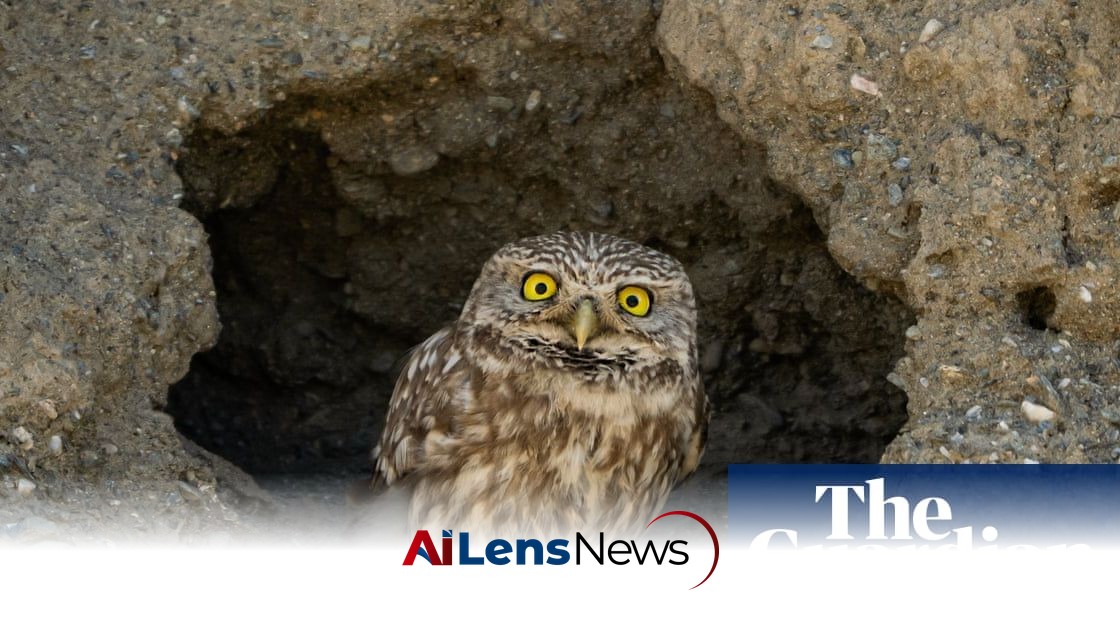


This week’s best wildlife photographs showcase Neil the seal, a rare pink grasshopper, and condors displaying affection.
New Delhi, India Jul 3, 2026 ALN: The world of wildlife continues to amaze us with its diversity and beauty. This week, we highlight some remarkable moments captured in stunning photographs, featuring Neil the seal, a rare pink grasshopper, and condors in love.
Neil, a charming seal, has become a local celebrity. His playful antics and friendly demeanor have captivated the hearts of wildlife enthusiasts and photographers alike. Observers have noted how Neil interacts with visitors, often swimming close to the shore and basking in the sun, providing perfect opportunities for photography. Seals, as marine mammals, play a crucial role in the marine ecosystem, serving as both predators and prey. Their presence can indicate the health of the marine , making Neil's popularity not just a matter of charm but also a reflection of ecological well-being.
Neil's rise to fame has brought attention to the species he represents. Seals are often seen as indicators of ocean health, and their populations can be affected by various factors including overfishing, pollution, and climate change. As Neil continues to frolic along the coastline, he serves as a reminder of the delicate balance of marine ecosystems and the importance of sustainable practices to preserve these vital habitats.
In a delightful twist of nature, a rare pink grasshopper was spotted in a garden. This unique insect, which is not commonly seen, has drawn attention for its striking color. The pink grasshopper serves as a reminder of the incredible variations found in nature, and its presence has sparked interest in conservation efforts for local habitats. The phenomenon of color variation in grasshoppers can be attributed to a genetic mutation known as erythrism, which causes a reddish or pinkish pigmentation. While this mutation is rare, it highlights the biodiversity that exists within even the most common species.
The sighting of the pink grasshopper has also raised awareness about the importance of preserving local ecosystems. Grasshoppers play a significant role in their habitats as herbivores and as a food source for many predators, including birds and small mammals. Conservationists emphasize the need to protect the s where such unique creatures can thrive. Initiatives aimed at preserving local flora and fauna, such as community gardens and natural reserves, are crucial for maintaining biodiversity and allowing rare species to flourish.
This week also featured heartwarming images of condors displaying affection. These magnificent birds, known for their impressive wingspans and soaring flight, were photographed engaging in courtship behaviors. Such displays are crucial for their mating rituals and highlight the importance of protecting their habitats to ensure their survival. California condors, once on the brink of extinction, have been the focus of intensive conservation efforts that include breeding programs and habitat restoration.
Condors are social birds that engage in complex behaviors, and their courtship rituals often involve mutual preening, vocalizations, and aerial displays. These interactions are not only vital for reproduction but also strengthen social bonds within their flocks. The revival of the California condor population, which has seen a gradual increase due to concerted conservation efforts, showcases the impact of dedicated wildlife management. Protecting their nesting sites and foraging areas is essential for sustaining their populations and ensuring that future generations can witness these majestic birds in the wild.
Wildlife photography plays a vital role in raising awareness about the beauty and fragility of our natural world. By capturing stunning images of animals in their habitats, photographers can inspire others to appreciate and protect wildlife. These photographs often tell stories that resonate with viewers, encouraging them to engage in conservation efforts. The visual impact of wildlife photography can evoke strong emotional responses, making it a powerful tool for advocacy.
Moreover, wildlife photography serves as a historical record of species and habitats, documenting changes over time due to al shifts or human impact. As climate change accelerates, the role of photographers in capturing these changes becomes increasingly important. Their work can provide valuable data for scientists and conservationists, as well as educate the public about the urgent need for conservation action.
As we celebrate these incredible moments in wildlife, it is essential to remember the ongoing challenges faced by many species. Habitat loss, climate change, and pollution threaten the delicate balance of ecosystems around the globe. Conservation organizations are working tirelessly to protect endangered species and their habitats, but they need support from the public. Fundraising campaigns, volunteer opportunities, and educational programs are ways individuals can contribute to conservation efforts.
In addition to direct support for conservation organizations, individuals can make a significant impact through lifestyle choices. Reducing plastic use, supporting sustainable products, and advocating for policies that protect the are all actions that can contribute to the preservation of wildlife. Community involvement in local conservation initiatives can foster a sense of stewardship and responsibility towards the natural world.
This week’s wildlife highlights remind us of the wonders of nature and the importance of preserving it for future generations. From Neil the seal to the rare pink grasshopper and the affectionate condors, each story contributes to a greater understanding of wildlife conservation. As we continue to document and share these moments, we can inspire others to take action and protect our planet's precious biodiversity. The interconnectedness of species and ecosystems emphasizes that our actions today will shape the future of wildlife. By fostering a culture of conservation and respect for nature, we can ensure that the beauty of our natural world endures for generations to come.
To learn more about the latest developments in Conservation, stay updated with our exclusive reports and analyses on AiLensNews.

