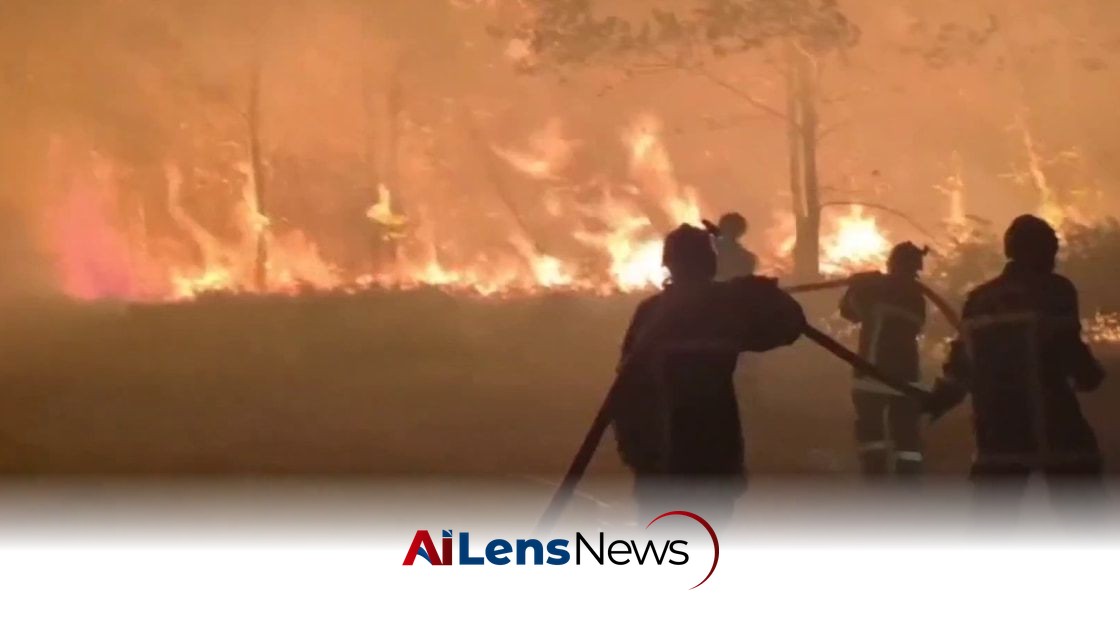


Fires rage across Europe, particularly impacting France's wine country, as firefighters and volunteers work tirelessly to combat the flames.
Washington DC, United States Jul 30, 2026 ALN: Fires continue to rage across Europe, with significant devastation reported in various regions, particularly in France’s renowned wine country. The situation has escalated as firefighters and volunteers join forces to battle the flames that threaten both lives and livelihoods. The wildfires have not only caused immediate destruction but also pose long-term threats to the environment, economy, and the health of communities affected.
In France, the picturesque vineyards are under siege, with flames consuming vast stretches of land. The local communities are rallying together, with volunteers stepping in to assist the firefighters, showcasing a spirit of resilience amidst the chaos. The ongoing fires have raised concerns not only about the immediate danger to residents but also about the long-term impact on the wine industry, which is a vital part of the region's economy. The wine industry in France is not just an economic powerhouse; it is also deeply intertwined with the cultural identity of the country, making the stakes even higher.
The regions most affected include Bordeaux and the Loire Valley, both of which are famous for their vineyards and wine production. The destruction of these areas could lead to significant losses in wine production, affecting both local economies and international markets. The wine industry in France employs thousands of people, from vineyard workers to those involved in distribution and tourism. As the fires continue to spread, the potential economic fallout raises alarms for stakeholders at all levels.
Reports indicate that the wildfires are fueled by extreme weather conditions, including high temperatures and strong winds, which have made firefighting efforts increasingly challenging. This summer, many parts of Europe have experienced unprecedented heatwaves, leading to dry conditions that exacerbate the risk of wildfires. Authorities are urging residents in affected areas to evacuate as a precautionary measure, emphasizing the need for safety over property. Evacuations are not just a logistical challenge; they also create emotional turmoil for families who may be forced to leave their homes and livelihoods behind.
As the situation unfolds, local and national agencies are mobilizing resources to combat the fires effectively. Firefighters are working around the clock, employing various strategies to contain the flames and protect vulnerable areas. The community's response has been commendable, with many individuals offering their time and resources to support firefighting efforts. Local businesses have also stepped up, providing food and supplies to firefighters and evacuees, showcasing a collective spirit of solidarity in the face of adversity.
While the immediate focus remains on extinguishing the fires, discussions are beginning around the long-term strategies needed to prevent such devastating incidents in the future. Experts are calling for enhanced forest management practices and better preparedness for extreme weather events, which are becoming increasingly common due to climate change. The increasing frequency and intensity of wildfires in Europe serve as a critical indicator of the environmental challenges that lie ahead. Policymakers are urged to consider more robust climate action plans that address the root causes of climate change, as well as the need for sustainable land management practices.
The wildfires in Europe serve as a stark reminder of the challenges posed by climate change and the urgent need for collective action to address environmental issues. As communities come together to fight the flames, the hope remains that they will emerge stronger and more united in the face of adversity. However, it is also essential to recognize that recovery will take time and resources. Rebuilding efforts will require not only financial investments but also a commitment to sustainable practices that can help mitigate future risks.
In addition to the immediate effects of the wildfires, there are longer-term implications for biodiversity and ecosystems in the affected regions. Forests and natural habitats play a crucial role in carbon sequestration, and their destruction can lead to increased greenhouse gas emissions. The loss of flora and fauna can disrupt local ecosystems, leading to further environmental degradation. Conservationists are calling for strategies that not only focus on recovery but also on restoration and protection of these vital ecosystems.
The impact of the wildfires is not confined to local communities; it resonates across borders. The wine industry is global, and disruptions in production in one country can have ripple effects worldwide. Consumers may face higher prices and limited availability of certain wines, which can alter purchasing behaviors and market dynamics. Furthermore, the environmental consequences of such disasters can lead to increased scrutiny of agricultural practices and land use policies, prompting a re-evaluation of how societies prioritize environmental health alongside economic interests.
As Europe grapples with the ongoing wildfire crisis, the need for international cooperation in addressing climate change becomes increasingly evident. Countries must work together to share knowledge, resources, and strategies for dealing with the impacts of extreme weather events. Collaborative efforts can help build resilience in communities and ecosystems, ensuring that they are better prepared for future challenges.
In conclusion, the wildfires devastating Europe, particularly in vital wine regions, highlight the urgent need for comprehensive strategies to combat climate change and its effects. As communities unite to confront the immediate dangers, it is essential to also focus on long-term solutions that ensure the sustainability and resilience of both the environment and the economy. The hope is that through collective action and commitment to change, communities can not only recover from this crisis but also emerge stronger and more prepared for the future.
To learn more about the latest developments in Natural Disasters, stay updated with our exclusive reports and analyses on AiLensNews.

