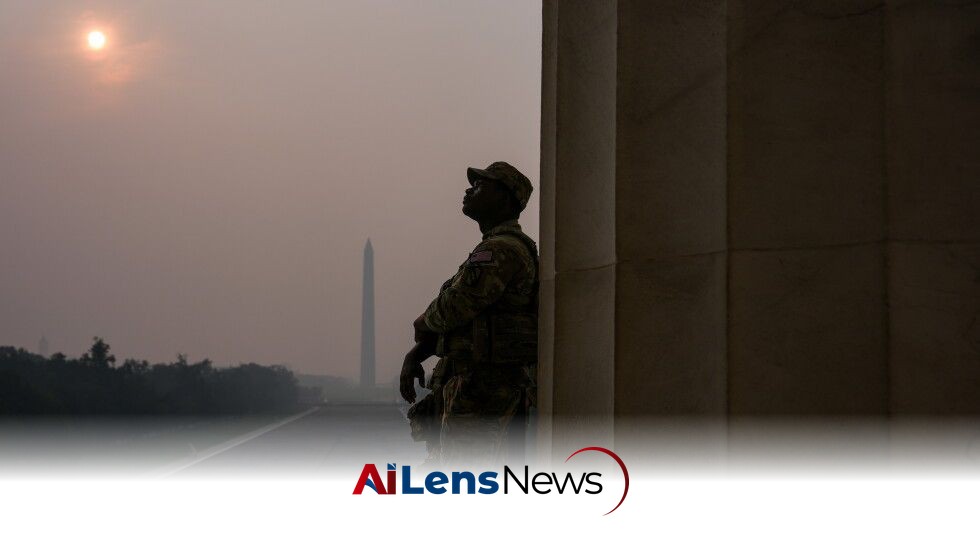


Heavy wildfire smoke has reduced visibility and prompted health warnings across the U.S., affecting areas from the Great Lakes to the East Coast.
Washington DC, United States Jul 18, 2026 ALN: Heavy, pungent wildfire smoke darkened skies in the U.S. on Thursday from the Great Lakes to parts of the East Coast, reducing visibility and prompting warnings that breathing the air outside could be dangerous. The smoke, which has traveled thousands of miles from wildfires in the western United States, has created a significant environmental and health crisis affecting millions of people across various states.
This phenomenon has led to significant air quality concerns, with officials advising residents to limit outdoor activities and take precautions. As the smoke spreads, it carries with it not only particulate matter but also a range of harmful pollutants that can impact air quality and public health. The particles in the smoke are not just a nuisance; they pose serious health risks, particularly for sensitive groups.
The smoke has created a haze that obscures landmarks and affects daily life. Reports indicate that visibility has been severely reduced, making travel hazardous in certain areas. This reduction in visibility has led to travel advisories and even temporary road closures in some regions, as authorities scramble to ensure public safety. The National Weather Service has issued warnings in several states, advising residents to exercise caution while driving and to stay informed about changing conditions.
Health officials have warned that the smoke can exacerbate respiratory issues, particularly for vulnerable populations such as children and the elderly. The fine particulate matter found in wildfire smoke can penetrate deep into the lungs and enter the bloodstream, leading to a range of health problems, including asthma attacks, heart issues, and other respiratory complications. The Centers for Disease Control and Prevention (CDC) has emphasized the importance of staying indoors during heavy smoke events, particularly for those with pre-existing health conditions.
Moreover, the smoke can also affect mental health, as prolonged exposure to poor air quality and the associated stress can lead to anxiety and other psychological issues. This adds another layer of concern for public health officials, who are already dealing with the immediate physical health risks posed by the smoke.
This is a photo gallery curated by AP photo editors, showcasing the impact of the smoke across various locations. The images capture the stark contrast between the normally vibrant landscapes and the muted, eerie atmospheres created by the smoke.
The Statue of Liberty stands during sunset as smoke from wildfires blankets the sky, Thursday, July 16, 2026, in the Brooklyn borough of New York. This iconic symbol of freedom, usually illuminated against a clear sky, is rendered ghostly in the haze, serving as a powerful reminder of the far-reaching effects of wildfires.
The sun is obscured by wildfire smoke as it rises behind the Marine Corps War Memorial, Friday, July 17, 2026, in Arlington, Va. The solemnity of this memorial, which honors the sacrifices of U.S. Marines, is amplified by the somber atmosphere created by the smoke, illustrating how natural disasters can intertwine with national symbols and heritage.
Wildfires are a natural part of many ecosystems, but their frequency and intensity have increased in recent years due to a combination of factors including climate change, prolonged drought conditions, and land management practices. The western United States, particularly states like California, Oregon, and Washington, have experienced some of the most severe wildfire seasons on record. These fires not only devastate local wildlife and habitats but also contribute significantly to air pollution that can affect air quality across the country.
In addition to the immediate health risks posed by wildfire smoke, there are long-term implications for communities affected by these events. Air quality can remain poor for days or even weeks after the fires are extinguished, leading to prolonged health concerns for residents. Furthermore, the economic impact on affected regions can be substantial, with costs associated with healthcare, lost productivity, and damage to local economies. Communities often face challenges in rebuilding and recovering from the aftermath of wildfires, which can strain local resources and infrastructure.
In light of the current wildfire smoke crisis, local and federal agencies have ramped up efforts to monitor air quality and disseminate information to the public. The Environmental Protection Agency (EPA) has been actively involved in tracking air quality and issuing advisories to help residents make informed decisions about outdoor activities. Many cities have also set up emergency response plans to assist vulnerable populations during such events, including providing air filtration systems and shelter options.
Public awareness campaigns have also been launched to educate residents about the dangers of wildfire smoke and the importance of taking precautions. These campaigns often emphasize the need to stay indoors, use air purifiers, and wear masks if outdoor exposure is unavoidable. Community organizations are working to ensure that information reaches those who may be most affected, including low-income populations and individuals with limited access to healthcare. These outreach efforts are crucial, as they help to bridge the gap in information dissemination and ensure that everyone is aware of the risks and necessary precautions.
As the smoke continues to spread, residents are urged to stay informed about air quality updates and take necessary precautions to protect their health. This event serves as a stark reminder of the interconnectedness of environmental issues and public health, highlighting the urgent need for comprehensive strategies to mitigate the impact of wildfires and improve air quality. The ongoing situation underscores the importance of community resilience and preparedness in the face of increasing natural disasters. As climate patterns continue to evolve, the frequency and severity of wildfires may only increase, necessitating a proactive approach to both prevention and response.
In light of these challenges, discussions around climate change mitigation and adaptation strategies have become increasingly important. Policymakers at all levels are being called upon to address the underlying factors contributing to the rise in wildfires, including land management practices, urban planning, and climate resilience initiatives. The integration of science, community input, and sustainable practices will be essential in developing effective solutions to reduce the risks associated with wildfires and protect public health.
To learn more about the latest developments in Pollution & Waste, stay updated with our exclusive reports and analyses on AiLensNews.

