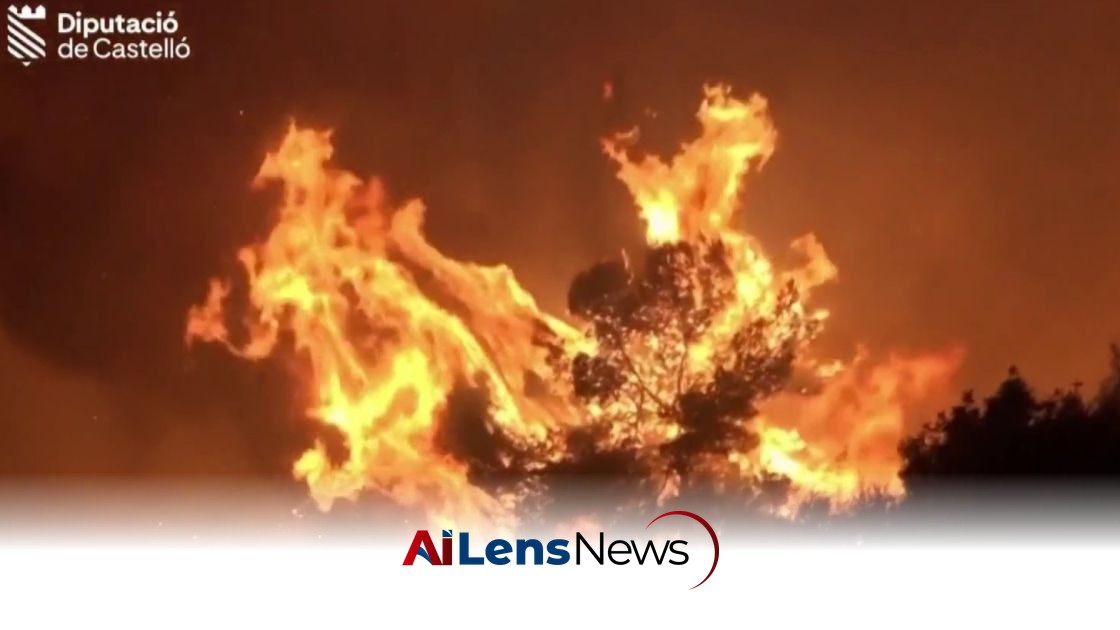


As millions in the U.S. prepare for severe storms, Europe battles uncontrolled wildfires, prompting urgent firefighting efforts.
Washington DC, United States Jul 27, 2026 ALN: Millions of people across the U.S. are on alert for severe storms on Sunday as crews in Europe rushed to put out wildfires that are burning out of control. The situation has escalated, with emergency services working tirelessly to combat the flames that threaten communities and wildlife. The juxtaposition of severe weather in the U.S. and rampant wildfires in Europe underscores a growing trend of extreme weather events, which experts attribute largely to climate change.
In the U.S., meteorologists have warned of potential thunderstorms, heavy rain, and strong winds, which could lead to flash flooding in several regions. The National Weather Service has issued alerts for various areas, emphasizing the need for residents to stay informed and take necessary precautions to ensure their safety. This includes having emergency kits ready, knowing evacuation routes, and monitoring local news for updates. Flash floods can occur with little warning, and authorities are particularly concerned about urban areas where drainage systems may be overwhelmed.
Meanwhile, in Europe, wildfires have become a significant concern, with firefighters struggling to contain the blazes that have spread rapidly due to dry conditions and high temperatures. Countries like Spain and Greece have reported extensive damage, with thousands of acres of land consumed by fire. In addition to the immediate threat to life and property, these fires have devastating effects on the environment, destroying habitats and releasing significant amounts of carbon dioxide into the atmosphere, further exacerbating climate change.
Local governments are mobilizing resources, including air support and additional personnel, to tackle the wildfires. The European Union has also stepped in, providing funding and resources to support firefighting efforts. The situation remains critical as communities face evacuations and the threat of property loss. Emergency services are not only battling the flames but also working to protect critical infrastructure, including power lines and water supplies, which are vital during the ongoing heatwave.
This dual crisis highlights the growing impact of climate change, which is contributing to extreme weather patterns across the globe. Experts warn that such events may become more frequent and severe, necessitating urgent action to address climate-related challenges. Increased temperatures, prolonged droughts, and shifting precipitation patterns are all linked to climate change and have been shown to increase the intensity and frequency of wildfires.
In the U.S., the National Oceanic and Atmospheric Administration (NOAA) has reported an increase in the number of severe weather events over the past few decades. This includes not only thunderstorms and heavy rainfall but also hurricanes and tornadoes, which have shown an uptick in intensity. The link between climate change and extreme weather is becoming more evident, prompting calls for comprehensive climate policy and disaster preparedness strategies.
As the U.S. braces for severe weather and Europe battles wildfires, the interconnectedness of these events serves as a stark reminder of the global climate crisis. The situation calls for international cooperation and a unified response to mitigate the impacts of climate change. Countries must work together to share resources, knowledge, and strategies to combat the effects of climate-related disasters.
Authorities in both regions are urging residents to stay vigilant and prepared as they navigate these challenging conditions. In the U.S., local emergency management agencies are providing resources for residents to create emergency plans and stay informed about weather updates. Similarly, in Europe, governments are advising citizens on fire safety measures, including creating defensible spaces around homes and understanding evacuation protocols.
Public awareness and education are critical in reducing the risks associated with severe weather and natural disasters. Community engagement initiatives can help foster a culture of preparedness, encouraging individuals to take proactive steps to safeguard themselves and their families. Schools, local organizations, and governments can play a vital role in disseminating information and resources to ensure that communities are ready to respond to emergencies.
Moreover, the economic implications of these disasters are significant. The costs associated with firefighting, recovery, and rebuilding can strain local and national budgets. Insurance claims can also rise dramatically in the wake of such events, impacting both homeowners and businesses. This economic burden highlights the need for investment in climate resilience and adaptation strategies to mitigate the long-term impacts of climate change.
As the world grapples with the realities of climate change, the urgency for action has never been greater. Policymakers are faced with the challenge of implementing effective measures to reduce greenhouse gas emissions while simultaneously preparing for the inevitable impacts of climate change. This includes investing in renewable energy sources, enhancing infrastructure to withstand extreme weather, and promoting sustainable land use practices.
In conclusion, the severe weather alerts in the U.S. and the wildfires in Europe serve as a wake-up call for communities worldwide. The time for action is now, as the effects of climate change become increasingly apparent. By working together and prioritizing sustainability, societies can build a more resilient future that protects both people and the planet from the devastating impacts of climate change.
To further understand the scale of these challenges, it is essential to recognize that the frequency and intensity of such extreme weather events are not isolated incidents but rather part of a broader pattern that scientists have been observing over the last few decades. The Intergovernmental Panel on Climate Change (IPCC) has consistently reported that human activities, particularly the burning of fossil fuels and deforestation, are major contributors to the increase in greenhouse gases in the atmosphere. These gases trap heat, leading to global warming, which in turn influences weather patterns and contributes to phenomena such as severe storms and wildfires.
The implications of these findings are profound. As global temperatures continue to rise, regions that were once considered safe from extreme weather may find themselves increasingly vulnerable. This shift not only affects the immediate safety of populations but also has long-term consequences for food security, water supply, and economic stability. Agriculture, for example, is highly sensitive to weather conditions, and changes in rainfall patterns can lead to crop failures, impacting food availability and prices.
Furthermore, the psychological toll of such disasters cannot be overlooked. Communities affected by severe weather events and wildfires often face trauma, displacement, and loss. Mental health resources become critical in the aftermath of such crises, as individuals and families work to rebuild their lives in the face of loss and uncertainty.
In light of these challenges, it is crucial for governments and organizations to invest in research and development aimed at understanding and mitigating the effects of climate change. This includes exploring innovative technologies for renewable energy, improving building codes to withstand extreme weather, and developing early warning systems for severe weather events. The role of education in fostering a culture of resilience cannot be overstated, as informed citizens are better equipped to respond to emergencies and advocate for policies that address climate change.
As we navigate these turbulent times, it is imperative for global leaders to prioritize climate action in their agendas. International agreements, such as the Paris Agreement, aim to unite countries in the fight against climate change, setting targets for reducing greenhouse gas emissions and promoting sustainable development. However, the effectiveness of these agreements relies on the commitment of individual nations to implement meaningful policies and practices that align with these goals.
In summary, the severe weather alerts in the U.S. and the wildfires in Europe are not just isolated incidents but part of a larger narrative about our planet's changing climate. As we confront these challenges, the need for a coordinated global response becomes increasingly clear. By fostering collaboration, investing in sustainable practices, and prioritizing education, we can work towards a future that not only addresses the immediate impacts of climate change but also lays the groundwork for a more resilient and sustainable world.
To learn more about the latest developments in Environmental Policy, stay updated with our exclusive reports and analyses on AiLensNews.

