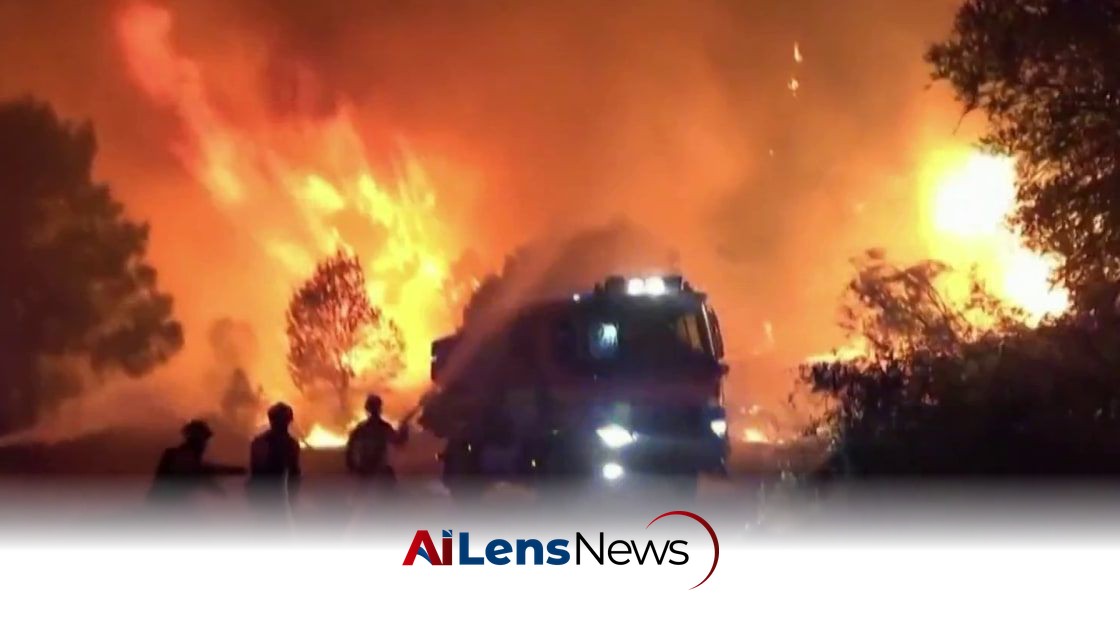


Wildfires in France, Spain, and Italy lead to thousands of evacuations as firefighters struggle against worsening conditions.
Washington DC, United States Jul 29, 2026 ALN: Historic wildfires are wreaking havoc across Europe, particularly in France, Spain, and Italy, prompting mass evacuations as firefighters engage in an all-out battle to contain the flames. The situation has escalated, with thousands of residents forced to leave their homes amidst the chaos. These wildfires, which have become increasingly frequent and severe in recent years, are attributed to a combination of factors, including climate change, prolonged drought conditions, and the presence of dry vegetation that serves as fuel for the flames.
The wildfires currently affecting Europe are not isolated incidents but part of a broader trend that has seen a marked increase in fire activity across the continent. Over the past few decades, the frequency and intensity of wildfires have risen significantly, prompting concern among scientists, policymakers, and communities alike. In particular, the Mediterranean region has experienced a surge in wildfire incidents, driven by a combination of climatic and anthropogenic factors. This trend is alarming, as it poses a significant threat to both human life and the environment.
In France, firefighters are on the front lines, facing extreme weather conditions that hinder their efforts. Reports indicate that the fires have spread rapidly, fueled by dry conditions and high temperatures, making containment efforts increasingly challenging. The French government has mobilized additional resources, including specialized firefighting units and aerial support, to combat the blazes. Local authorities are working closely with national agencies to coordinate response efforts and ensure that communities at risk are adequately protected. The deployment of firefighting aircraft has proven vital, allowing teams to drop water and fire retardants from above, targeting the most difficult-to-reach areas.
The situation in Spain is equally dire, with wildfires raging across various regions, particularly in the northeastern areas such as Catalonia and Aragon. The Spanish government has declared a state of emergency in several affected regions, allowing for the mobilization of additional firefighting resources and support from the military. As the fires continue to spread, local officials are urging residents to heed evacuation orders and prioritize their safety. The Spanish Red Cross and other humanitarian organizations are providing assistance to those displaced by the fires, offering shelter, food, and medical care. The humanitarian response is crucial, as many evacuees have lost not only their homes but also their livelihoods, particularly in rural areas where agriculture and tourism are primary economic drivers.
Italy is also grappling with its own wildfire crisis, particularly in regions like Sicily and Calabria, where dry conditions and high temperatures have created a perfect storm for fire outbreaks. The Italian authorities have implemented emergency measures, including the deployment of firefighting aircraft and the establishment of evacuation centers for those forced to flee their homes. As in France and Spain, the local populations are being advised to stay informed about the situation, follow evacuation orders, and take necessary precautions to ensure their safety. The Italian government is facing pressure to improve forest management practices and enhance community preparedness for future wildfire events.
The scale and intensity of these wildfires have raised concerns among experts and officials regarding the growing threat of wildfires in Europe, which has been exacerbated by climate change and environmental factors. The European Union has been actively working on strategies to address the increasing frequency of wildfires, promoting initiatives aimed at improving forest management, enhancing early warning systems, and increasing public awareness about fire risks. Collaborative efforts at the EU level are critical, as wildfires do not respect national borders, and a coordinated response can help mitigate the overall impact on the region.
Climate change has been a significant driver of the increased incidence of wildfires across Europe. Rising temperatures, changing precipitation patterns, and prolonged droughts have created conditions that are conducive to the outbreak and spread of wildfires. Additionally, human activities, such as land use changes and urban development near forested areas, have further increased the vulnerability of communities to wildfires. The interplay between natural and human factors underscores the need for comprehensive land-use planning and sustainable development practices that prioritize fire prevention.
The implications of these wildfires extend beyond immediate safety concerns. The destruction of homes and infrastructure can have long-lasting effects on local economies, particularly in regions that rely heavily on tourism. The environmental impact of wildfires is also significant, as they can lead to habitat destruction, loss of biodiversity, and increased carbon emissions, further contributing to climate change. The aftermath of wildfires often leaves landscapes altered for decades, affecting not only the immediate area but also broader ecological systems.
As the situation develops, updates will be provided regarding containment efforts and the impact on affected communities. The resilience of firefighters and emergency responders is being tested as they strive to bring the wildfires under control. Their efforts are supported by local volunteers and community members who are stepping up to assist in evacuation efforts and provide support to those in need. Community solidarity plays a vital role in recovery, as neighbors come together to help one another during these challenging times.
This crisis highlights the urgent need for increased awareness and preparedness to mitigate the risks associated with such devastating events in the future. Governments and organizations are calling for a comprehensive approach to wildfire management that includes not only immediate response measures but also long-term strategies for prevention and resilience building. Public education campaigns aimed at informing residents about fire safety and preparedness can significantly enhance community resilience.
The role of technology in wildfire management is also becoming increasingly important. Advancements in satellite imagery, drone technology, and predictive modeling are being utilized to enhance monitoring and response capabilities. These tools can help identify fire-prone areas, track the spread of wildfires in real-time, and support decision-making processes during emergencies. The integration of technology into firefighting strategies represents a significant leap forward in the ability to respond to wildfires effectively.
In conclusion, the historic wildfires currently impacting Europe serve as a stark reminder of the challenges posed by climate change and the need for proactive measures to address the growing threat of wildfires. As communities work to recover from the immediate impacts of these fires, it is essential to consider long-term strategies that promote sustainability, resilience, and preparedness for future events. The collaboration between governments, emergency services, and local communities will be crucial in navigating the ongoing crisis and ensuring that lessons are learned for the future. The path forward will require a commitment to addressing the root causes of climate change, investing in sustainable land management practices, and fostering a culture of preparedness among the public.
To learn more about the latest developments in Environmental Policy, stay updated with our exclusive reports and analyses on AiLensNews.

