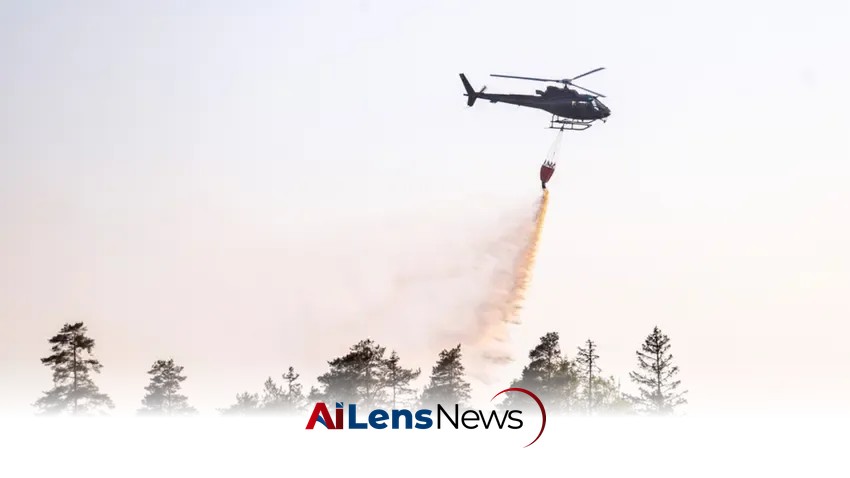


Sweden faces a high risk of ground and forest fires due to persistent warm and dry weather, particularly in southern regions.
London, United Kingdom Jul 18, 2026 ALN: Sweden is currently facing an elevated risk of ground and forest fires due to a persistent heatwave that has enveloped much of the country. The Swedish Meteorological and Hydrological Institute (SMHI) has classified the fire risk levels in southern Sweden as very high to extremely high, a classification that stretches as far north as Dalarna and Gästrikland. Additionally, regions along the Norrland coast and the inland areas of Norrland are also experiencing high or very high fire risk, alongside southern Gotland. This alarming situation has prompted officials and meteorologists to issue warnings to the public.
Marie Stark, a meteorologist at SMHI, has been vocal about the need for public awareness during this critical period. She has highlighted the ease with which fires can ignite and spread under the current dry conditions, emphasizing that both forested areas and open ground are at significant risk. Stark's warning is particularly pertinent as the summer months in Sweden are traditionally associated with increased outdoor activities, which can inadvertently lead to fire outbreaks. She has urged the populace to remain vigilant, check for any fire bans in their local areas, and exercise extreme caution when engaging in outdoor activities.
As the weekend approaches, there is a glimmer of hope for relief from the intense fire risk. Stark has indicated that a few showers are expected to move into Götaland and Svealand, regions currently facing the highest fire risk. These showers, while potentially light, could help to reduce the chances of ignition. More substantial rainfall is anticipated on Saturday and Sunday, which could provide a more significant dampening effect on the dry conditions that have been prevailing. However, meteorologists remain cautious, reminding the public that even brief periods of rain may not be sufficient to completely alleviate the fire risk, especially if the temperatures remain high.
The implications of this heightened fire risk are considerable, not only for the environment but also for public safety and local economies. Wildfires can lead to devastating losses of flora and fauna, disrupt local ecosystems, and pose threats to human life and property. In addition, the economic ramifications can be significant, particularly for regions that rely on tourism and agriculture, both of which can be adversely affected by wildfires and the resulting smoke and air quality issues.
In a broader context, scientists have increasingly linked the frequency and intensity of heatwaves to global warming, which is primarily driven by the combustion of fossil fuels such as coal, oil, and gas. This connection between climate change and extreme weather events is becoming more apparent, with researchers warning that heatwaves are likely to become more frequent, prolonged, and intense in the future. The current situation in Sweden serves as a stark reminder of the urgent need for climate action and the importance of sustainable practices to mitigate the effects of climate change.
Moreover, the Swedish government and local authorities are likely to face increased pressure to implement measures aimed at preventing wildfires and managing the risks associated with such extreme weather conditions. This may include enhancing public awareness campaigns, increasing resources for fire prevention, and developing strategies for rapid response to fire outbreaks. The role of community engagement in these efforts cannot be understated, as local populations are often the first responders in the event of a fire.
Historically, Sweden has experienced wildfires during dry summers, but the frequency and severity of these events have been increasing in recent years. In 2018, for example, Sweden faced an unprecedented wildfire season, with fires breaking out across large swathes of the country, fueled by extreme heat and prolonged drought conditions. The government responded by mobilizing resources from neighboring countries to assist in firefighting efforts, highlighting the need for regional cooperation in addressing such environmental crises.
In light of the increasing threat of wildfires, the Swedish government has also been investing in research and technology aimed at improving fire detection and response capabilities. This includes the use of satellite imagery and drones to monitor forest conditions and identify potential fire hazards before they escalate. Such technological advancements are crucial in a rapidly changing climate, where traditional methods of fire management may no longer suffice.
In summary, the combination of high temperatures and dry conditions poses a serious threat of wildfires across large parts of Sweden. As the situation develops, authorities and meteorologists continue to monitor the fire risk closely, advising the public to stay informed and cautious. The potential for rain over the weekend could provide some relief, but the ongoing threat underscores the need for preparedness and awareness in the face of climate-related challenges. The events in Sweden are not isolated; they reflect a broader trend of increasing environmental challenges faced by many regions worldwide as climate change continues to alter weather patterns and increase the frequency of extreme weather events.
Additionally, public health concerns arise during periods of high fire risk, particularly related to air quality. Smoke from wildfires can exacerbate respiratory conditions and pose health risks to vulnerable populations, including children, the elderly, and individuals with pre-existing health issues. Therefore, monitoring air quality becomes an essential component of public safety during such events, and authorities may need to issue health advisories to mitigate the impact on community health.
As climate change continues to influence weather patterns, the necessity for adaptive strategies becomes increasingly urgent. Local governments, communities, and individuals must engage in proactive planning to address the multifaceted challenges posed by climate-related events. This includes not only fire prevention measures but also broader discussions about sustainable land use, forest management practices, and community resilience in the face of environmental change.
In conclusion, Sweden's current fire risk situation exemplifies the complex interplay between climate change, environmental management, and public safety. As the nation grapples with the immediate threats posed by wildfires, it also faces the larger challenge of addressing the underlying causes of climate change. The need for effective policies, community engagement, and public awareness cannot be overstated as Sweden navigates these pressing issues in the years to come.
To learn more about the latest developments in Climate Change, stay updated with our exclusive reports and analyses on AiLensNews.

