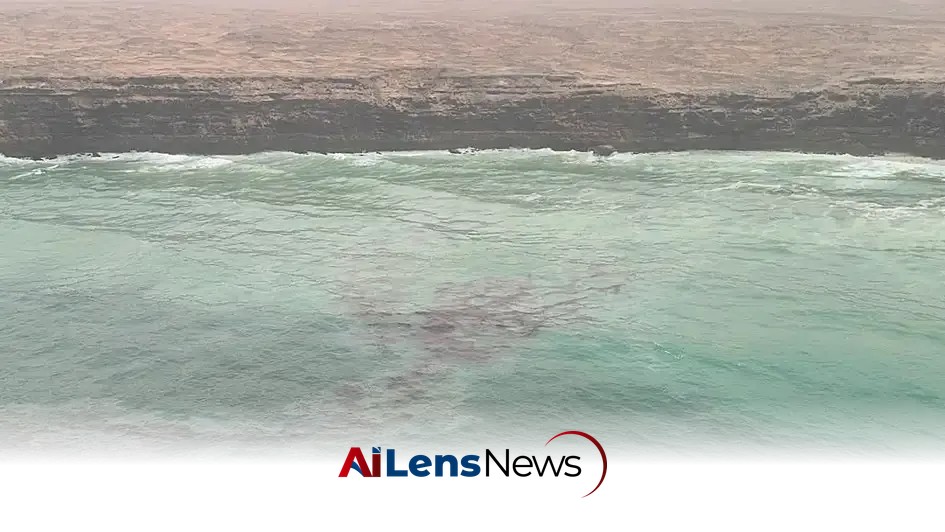


An oil spill off the coast of Oman is spreading towards the beaches of Masirah Island, prompting authorities to advise the public to avoid contaminated areas.
Abu Dhabi, United Arab Emirates Aug 13, 2026 ALN: Recent observations of an oil spill off the coast of Oman have raised concerns as the slick is predicted to expand towards the southern beaches of Masirah Island. Experts are closely monitoring the situation, which poses a significant environmental risk. The spill has already affected parts of the coastline, prompting local authorities to issue warnings to the public. Residents and visitors are advised to stay away from the contaminated areas to avoid health risks and to allow cleanup efforts to proceed without interference.
The oil spill is a serious environmental incident, and its potential impact cannot be underestimated. Oil spills are known to have devastating effects on marine ecosystems, affecting not only the water quality but also the health and survival of various marine species. The Arabian Sea, where Oman is located, is home to a diverse range of marine life, including fish, sea turtles, and coral reefs. The introduction of oil into this delicate ecosystem could disrupt food chains and lead to long-term ecological consequences.
The potential spread of the oil slick could have devastating effects on marine life and local ecosystems. Experts emphasize the importance of immediate action to contain the spill and mitigate its impact on the environment. Marine biologists warn that oil can coat the feathers of birds, reducing their ability to fly and stay warm, while also poisoning fish and other marine animals that come into contact with the contaminated water. Additionally, the toxic components of oil can linger in the environment, leading to chronic health issues for wildlife and potentially impacting local fisheries, which are vital for the livelihoods of many communities.
In the context of Oman, where fishing and tourism are significant economic activities, the repercussions of an oil spill could be profound. The tourism industry, which attracts visitors to its pristine beaches and rich marine biodiversity, may suffer a decline as beaches become polluted and marine activities are curtailed. This could lead to economic losses for local businesses and a decline in job opportunities for residents who depend on these industries.
Moreover, the oil spill could exacerbate existing environmental challenges faced by Oman. The nation has been striving to balance economic development with environmental conservation, particularly in light of its rich cultural heritage and natural resources. The Arabian Sea is not only a source of livelihood for many but also a critical habitat that supports biodiversity. The potential damage from the oil spill could hinder ongoing conservation efforts and pose a setback to initiatives aimed at protecting marine ecosystems.
In light of the situation, local authorities have mobilized resources to address the spill. Cleanup crews are being deployed to manage the contamination and protect the coastal areas. Additionally, public health advisories are in place to ensure the safety of those in the vicinity. Authorities have recommended that people avoid swimming, fishing, or engaging in any water-related activities in the affected areas until the situation is resolved. This precautionary measure is critical to prevent any health hazards associated with exposure to oil pollutants.
The government is also working with environmental agencies and organizations to implement effective cleanup strategies. These efforts may include using booms to contain the oil, skimmers to remove it from the water's surface, and dispersants to break down the oil into smaller particles. However, the use of dispersants is controversial, as they can also have harmful effects on marine life. Thus, careful consideration is necessary when determining the best course of action for cleanup.
Public safety measures extend beyond immediate health advisories. Authorities are likely to establish zones around the affected areas to limit access and ensure that cleanup operations are not disrupted. These zones can help protect not only the public but also the workers engaged in cleanup efforts, who may be exposed to hazardous conditions. The cooperation of the local community is essential in adhering to these safety measures, as public compliance can significantly enhance the effectiveness of the response efforts.
As the situation develops, continuous monitoring will be essential to assess the spill's trajectory and its impact on the surrounding environment. Authorities are committed to providing updates to the public as more information becomes available. This monitoring will involve tracking the spread of the oil slick, sampling water and sediment for contamination levels, and assessing the health of marine organisms in the affected areas.
Residents are encouraged to report any sightings of the oil slick and to follow official guidelines to ensure their safety and that of the environment. Community engagement is vital during this crisis, as local knowledge can aid in identifying the extent of the spill and its effects. Moreover, public participation in cleanup efforts, when safe and organized, can foster a sense of community responsibility and environmental stewardship.
The role of technology in monitoring and managing the situation cannot be overlooked. Advances in satellite imagery and remote sensing have enhanced the ability to track oil spills in real-time, providing critical data that can inform response strategies. These technologies can help pinpoint the most affected areas and facilitate more efficient allocation of resources for cleanup efforts.
In conclusion, the oil spill off the coast of Oman presents a serious threat to both public health and the environment. Immediate action and public cooperation are crucial in addressing this environmental crisis. The implications of such an incident extend beyond immediate health risks, potentially affecting local economies, biodiversity, and the overall ecological balance of the region. As cleanup efforts continue and monitoring takes place, the focus should remain on restoring the affected areas and preventing future spills through improved regulations and practices in oil exploration and transportation.
Furthermore, this incident serves as a reminder of the broader challenges associated with oil dependency and the need for sustainable practices in resource extraction and management. The lessons learned from this spill could inform future policies aimed at enhancing environmental protection and fostering resilience in coastal communities against similar incidents. As Oman navigates the complexities of economic development and environmental stewardship, the ongoing response to this oil spill will be a critical test of its commitment to safeguarding its natural heritage for future generations.
To learn more about the latest developments in Pollution & Waste, stay updated with our exclusive reports and analyses on AILensNews.

