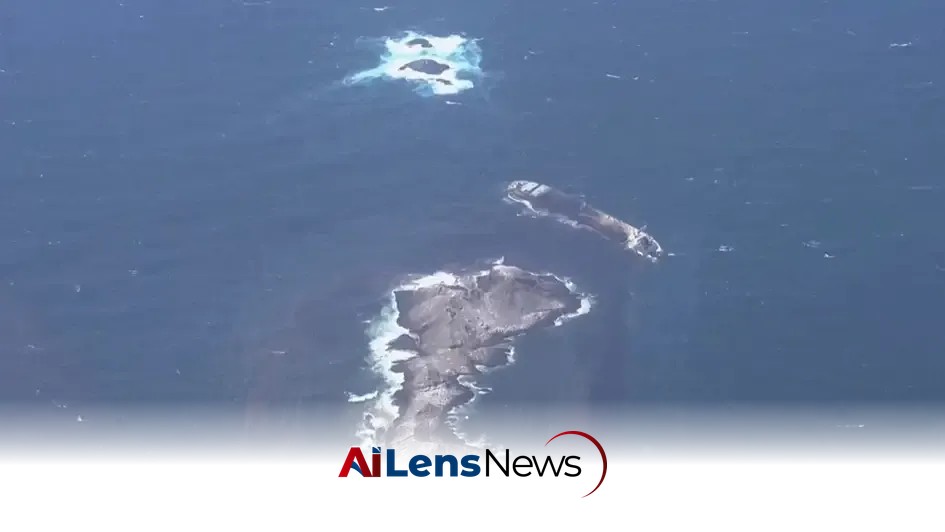



An oil spill in Oman has affected 12 kilometers of beaches in Ras Madrakah, with no reported impact on Masirah Island. The spill is moving southeast toward high seas.
Abu Dhabi, United Arab Emirates Aug 16, 2026 ALN: Oman has confirmed that an oil spill has impacted approximately 12 kilometers of beaches in the Ras Madrakah area, a region known for its stunning natural beauty and ecological significance. The spill has raised serious concerns among environmentalists, local communities, and government officials regarding potential environmental damage and the health of marine life in the area.
The oil spill was first detected in the early hours of the morning, prompting immediate action from local authorities. Initial reports indicate that the spill originated from an unidentified source, and the oil is currently moving southeast towards the high seas, according to data from local environmental agencies. Fortunately, there have been no reports of any adverse effects on Masirah Island, which is located nearby and is known for its unique ecosystems and biodiversity.
Upon detection of the oil spill, local authorities swiftly initiated cleanup operations to mitigate the environmental impact. Teams comprising environmental specialists and volunteers have been deployed to assess the extent of the damage and to begin the cleanup process. The Ras Madrakah region, which stretches along the coast of Oman, is characterized by its rich biodiversity, including various species of fish, seabirds, and marine mammals. The presence of oil in this delicate ecosystem poses a significant threat to local wildlife, which is already vulnerable due to various environmental pressures.
Environmentalists have expressed deep concerns about the potential harm to marine ecosystems in the affected area. Oil spills can have catastrophic effects on marine life, including fish, birds, and mammals, as well as the overall health of the ocean. The Ras Madrakah region is known for its coral reefs and diverse marine habitats, which serve as critical breeding and feeding grounds for numerous species. Prolonged exposure to oil can lead to long-term ecological damage, affecting not only the immediate area but also the broader marine environment. The spill could disrupt food chains, lead to the death of marine organisms, and result in a loss of biodiversity.
In addition to the direct impact on marine life, oil spills can also affect the livelihoods of local communities that depend on fishing and tourism. The region attracts visitors for its natural beauty, and a polluted coastline could deter tourism, which is a vital economic driver for many residents. The fishing industry, which has been a traditional source of income for many families in the area, could also suffer due to contamination of fish stocks, leading to potential food security issues.
The Omani government has assured the public that it is taking the necessary steps to address the situation. A task force has been established to coordinate cleanup efforts and monitor the spill's movement. This task force includes representatives from various government agencies, environmental organizations, and local communities, ensuring a comprehensive approach to the crisis. The government has committed to transparency throughout the process, promising to keep the public informed about developments and the effectiveness of cleanup operations.
Authorities are urging residents and visitors to avoid the affected beaches until further notice. Public health and safety are a priority, and officials are working diligently to keep the community informed about developments. Public awareness campaigns have been launched to educate the community about the potential risks associated with the spill and the importance of staying away from contaminated areas. Local media outlets and social media platforms are being utilized to disseminate information quickly and effectively. Community meetings may also be held to provide updates and gather feedback from residents on their concerns and suggestions.
As the situation evolves, ongoing assessments will be conducted to determine the long-term impact of the spill. Environmental monitoring programs will be implemented to track the recovery of the affected ecosystems and to assess any lingering effects on marine life. The government is committed to ensuring that the necessary resources are allocated for both immediate cleanup efforts and long-term environmental restoration. This may involve collaboration with international environmental organizations and experts in marine ecology to develop effective strategies for mitigating the impact of the spill.
The implications of this oil spill extend beyond immediate environmental concerns. It raises questions about the safety and regulation of oil drilling and transportation in the region, highlighting the need for stringent measures to prevent future spills. As Oman continues to develop its oil and gas sector, balancing economic growth with environmental protection will be crucial. The incident may prompt a reevaluation of current policies and practices related to oil exploration and transportation, as well as a push for more sustainable practices in the industry.
In addition to policy implications, this incident may lead to increased scrutiny of the oil industry’s operational standards, emergency preparedness, and response protocols. It may also influence public opinion regarding the environmental practices of oil companies operating in the region and could lead to calls for greater accountability and regulation.
In conclusion, while the oil spill poses a significant challenge, the prompt response from Omani authorities aims to minimize its impact on the environment and local communities. The situation serves as a reminder of the fragility of marine ecosystems and the importance of proactive measures to protect them. As cleanup efforts continue, the focus will be on restoring the affected areas and ensuring that similar incidents do not occur in the future. The resilience of the local environment and communities will depend on effective management and a commitment to preserving the natural beauty and ecological integrity of the Ras Madrakah region. This incident may also serve as a catalyst for broader discussions about environmental stewardship and sustainable practices in Oman and beyond.
To learn more about the latest developments in Pollution & Waste, stay updated with our exclusive reports and analyses on AILensNews.

