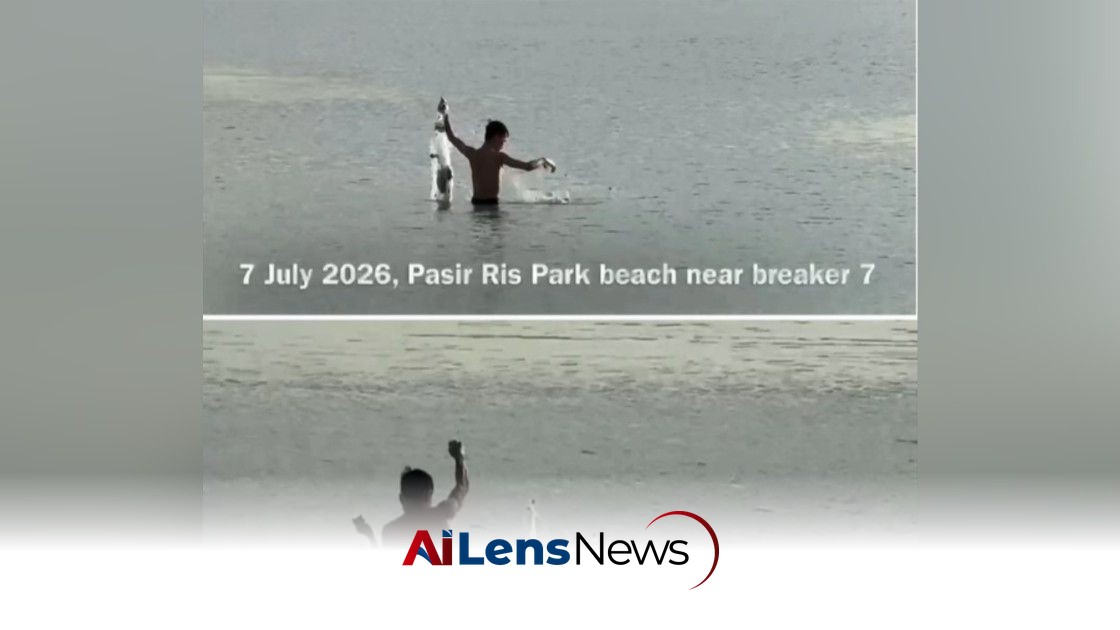


A man was spotted using a gill net at Pasir Ris Park, prompting public outcry regarding wildlife safety and illegal fishing practices.
Singapore, Singapore Aug 3, 2026 ALN: Concerns about illegal fishing practices have emerged at Pasir Ris Park, a popular recreational area in Singapore known for its diverse wildlife and scenic coastal views. On July 7, a man was spotted using a gill net to fish in the waters off the park, an action that has raised alarms regarding the potential harm to marine life and the ecological balance of the area. Gill nets are a type of fishing net that can entangle fish and other marine animals, leading to significant bycatch and habitat destruction.
This incident was brought to light by Facebook user Mel Teo, who reported the sighting to the Nature Society Singapore's Public Forum on July 18. According to Teo, a friend of hers witnessed the man fishing with a large net, which is considered a destructive method of fishing. Photographic evidence shared by Teo shows the individual partially submerged in the water, pulling the net from the sea. Such practices pose a significant threat to local wildlife, as they can indiscriminately capture not just fish but also other marine creatures. The indiscriminate nature of gill nets means that many non-target species, including endangered and protected species, can become entangled, leading to their injury or death.
Teo's account of the incident included a troubling interaction between her friend and the fisherman. When approached and asked to stop, the fisherman reportedly responded with aggression, even throwing an object at a passing otter in a fit of anger. This behavior underscores the potential for conflict between recreational fishermen and wildlife, particularly in areas where human activity encroaches on natural habitats. Such confrontations can not only endanger the animals involved but also pose risks to individuals advocating for wildlife protection.
In her post, Teo also raised questions about the legality of using gill nets and similar traps in Pasir Ris Park. The National Parks Board (NParks), the agency responsible for managing parks and nature reserves in Singapore, has clarified that net fishing is prohibited in these areas. NParks has emphasized that destructive fishing methods, including gill-netting, long-line fishing, and the use of driftnets, are discouraged due to their harmful impact on marine ecosystems. Such practices can lead to the unintended capture of non-target species, including vulnerable animals like dolphins, sharks, and turtles, which may suffer fatal consequences if caught in these nets. The regulations are in place to ensure that the delicate balance of marine ecosystems is maintained, especially in urban areas like Singapore where natural habitats are already under significant stress.
Teo's concerns were further validated by a separate incident she shared on social media, which occurred on July 17. In this instance, a monitor lizard was filmed struggling to free itself from a mesh net at the mouth of Sungei Api Api, a waterway adjacent to Pasir Ris Park. The distressing video shows the lizard thrashing about in an attempt to escape, while its partner attempts to assist by biting and tugging at the net. Fortunately, both lizards managed to break free, but Teo pointed out that such nets are often deadly and can lead to the death of various species, including otters, which are known to inhabit the area. This incident illustrates the broader implications of illegal fishing practices, as they not only affect targeted fish populations but also have cascading effects on the entire ecosystem, including terrestrial species that rely on aquatic environments for survival.
In response to the growing concerns raised by Teo and other members of the community, NParks group director Chia Seng Jiang spoke to Shin Min Daily News to reiterate the regulations surrounding fishing in parks and reserves. Chia confirmed that NParks is aware of the incidents reported and urged the public to fish responsibly and only in designated areas. He highlighted that the use of fishing nets or metal cages within parks managed by NParks is illegal, with violators facing fines of up to $5,000. In cases of illegal fishing in nature reserves, the penalties can be significantly higher, with fines reaching up to $50,000. This enforcement of regulations reflects the seriousness with which Singaporean authorities view the protection of its natural resources and the ecosystems that support them.
Chia also addressed the issue of lost fishing gear, noting that nets and traps that are abandoned or lost at sea continue to pose a threat to marine life. These discarded items can ensnare and kill marine creatures long after they have been left behind. Additionally, when these objects sink to the seabed, they can cause damage to coral reefs and other essential marine habitats, further disrupting the delicate balance of the ecosystem. The phenomenon of 'ghost fishing,' where lost or abandoned fishing gear continues to capture marine life, is a significant concern for marine conservationists and highlights the need for responsible fishing practices and proper disposal of fishing gear.
The concerns surrounding illegal fishing practices at Pasir Ris Park highlight a broader issue regarding the protection of wildlife and natural habitats in urban environments. As Singapore continues to develop and urbanize, the pressure on local ecosystems increases, necessitating stricter enforcement of environmental regulations and greater public awareness of the impact of human activities on wildlife. Urbanization often leads to habitat destruction, pollution, and increased human-wildlife conflict, making it imperative for communities to engage in conservation efforts.
Pasir Ris Park itself is an important ecological area, providing a habitat for various species of birds, reptiles, and marine life. The park features a mangrove forest, which plays a crucial role in coastal protection and serves as a breeding ground for many marine species. The health of this ecosystem is vital not only for the wildlife that inhabits it but also for the overall environmental well-being of the region. Mangroves are known for their ability to filter pollutants, stabilize shorelines, and provide nursery habitats for fish, making their conservation critical in the face of urban development.
Public engagement and education are essential components in addressing the issue of illegal fishing and its consequences. NParks has taken steps to promote responsible fishing practices through outreach initiatives, but incidents like those reported by Teo indicate a need for continued efforts in raising awareness about the importance of protecting marine life and adhering to regulations designed to preserve natural habitats. Educational programs, community involvement, and partnerships with local organizations can help foster a culture of conservation and stewardship among residents and visitors alike.
As the situation unfolds, it remains crucial for the community to remain vigilant and report any illegal fishing activities to the relevant authorities. By fostering a culture of respect for nature and wildlife, the public can play a vital role in safeguarding the ecological integrity of Pasir Ris Park and similar natural spaces across Singapore. Community-led initiatives, such as clean-up drives and educational workshops, can empower individuals to take action in protecting their local environments.
In conclusion, the incident at Pasir Ris Park serves as a reminder of the ongoing challenges faced in balancing human recreation with the conservation of wildlife. It highlights the necessity for responsible behavior among individuals who engage in fishing and the importance of adhering to established regulations aimed at protecting vulnerable marine ecosystems. As discussions continue within the community and among regulatory bodies, it is hoped that more effective measures can be implemented to prevent illegal fishing and ensure the preservation of Singapore's rich natural heritage for future generations. The collaboration between government agencies, non-governmental organizations, and the public will be essential in creating a sustainable future for Singapore's natural environments, ensuring that they can be enjoyed by generations to come.
To learn more about the latest developments in Environmental Policy, stay updated with our exclusive reports and analyses on AiLensNews.

