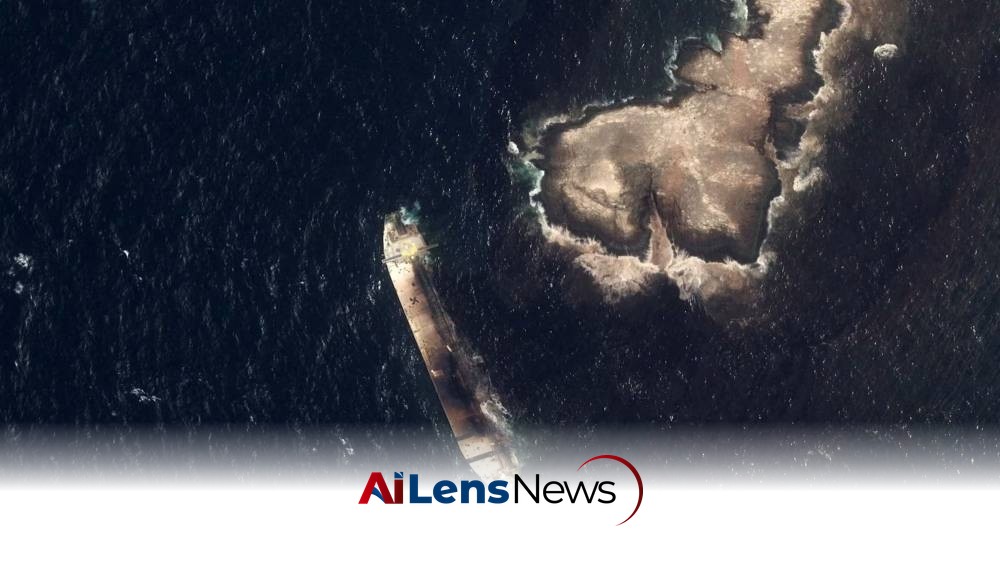


The Oman Environment Authority confirms that no oil pollution has reached Masirah Island's shores, while monitoring continues offshore.
Doha, Qatar Aug 16, 2026 ALN: The Oman Environment Authority has reported that no effects from the recent oil pollution incident have reached the shores of Masirah Island thus far. The affected stretch of coastline in the Ras Madrakah area of the Wilayat of Duqm extends for approximately 12 kilometers, with field operations currently underway to address the situation.
In relation to the oil slick leaking into the sea, the authority's statement noted that updated monitoring data and models indicate that the slick is still moving along its monitored trajectory offshore, southeast of the Wilayat of Masirah, toward the open sea. Its movement continues to be closely monitored in accordance with marine and weather conditions.
The authority is conducting field monitoring and response operations in collaboration with relevant entities to assess developments and implement necessary measures to prevent harmful effects on the environment, as well as to protect marine and coastal ecosystems.
Last Wednesday, the authority indicated that the fallout from the incident involving the grounded oil tanker Caroline Bezengi near Qabiliyah Island in Dhofar Governorate could potentially affect the Ras Madrakah coastline with oil pollution across a stretch of up to 40 kilometers. Additionally, the southern beaches of Masirah Island could be impacted across a stretch ranging from 10 to 20 kilometers.
The incident involving the Caroline Bezengi highlights the ongoing risks associated with maritime transport in the region, particularly in areas where shipping routes intersect with sensitive marine ecosystems. Oman’s strategic location along the Arabian Sea and the Gulf of Oman makes it a significant player in maritime trade, but it also exposes its coastlines to potential environmental hazards from shipping accidents.
Oil spills can have devastating effects on marine life, coastal habitats, and local economies. The potential for oil pollution to disrupt the delicate balance of marine ecosystems is particularly concerning for areas like Masirah Island, which is known for its biodiversity and is home to various species of wildlife, including sea turtles and migratory birds.
The Oman Environment Authority's proactive approach in monitoring the situation reflects a commitment to environmental protection and crisis management. By collaborating with other relevant entities, the authority aims to ensure that any potential impacts from the oil slick are mitigated effectively. This includes not only immediate response efforts but also long-term strategies to safeguard the marine environment.
In addition to environmental concerns, the economic implications of oil pollution cannot be overlooked. Fishing and tourism are critical sectors for many coastal communities in Oman, and any contamination of waters or beaches can lead to significant economic losses. Fishermen may find their catch affected, while tourists may be deterred from visiting polluted beaches, leading to a downturn in local businesses.
The incident also underscores the importance of stringent maritime safety regulations and the need for effective emergency response protocols. The grounding of the Caroline Bezengi serves as a reminder for shipping companies and regulatory bodies to prioritize safety measures to prevent similar incidents in the future. This includes ensuring that vessels are adequately maintained and that crews are trained to respond to emergencies on board.
As the situation develops, the Oman Environment Authority will continue to provide updates and engage with the public to raise awareness about the importance of protecting marine environments. Community involvement is crucial in these efforts, as local residents can play a vital role in reporting any signs of pollution and participating in cleanup initiatives.
Furthermore, the incident may prompt discussions around enhancing legislative frameworks related to maritime operations and environmental protection. Policymakers may consider reviewing existing laws and regulations to ensure they are robust enough to address the challenges posed by maritime traffic and environmental risks.
Looking forward, it is essential for Oman to continue investing in research and technology aimed at improving oil spill response capabilities. This could involve partnerships with international organizations and experts in the field of marine conservation and pollution management.
In conclusion, while the current assessment indicates that Masirah Island has not yet been affected by the oil pollution incident, the situation remains fluid. Continuous monitoring and a proactive response are critical to safeguarding the environment and the livelihoods of those who depend on the sea. The incident serves as a crucial reminder of the vulnerabilities faced by coastal regions and the ongoing need for vigilance in protecting marine ecosystems.
To learn more about the latest developments in Pollution & Waste, stay updated with our exclusive reports and analyses on AiLensNews.

