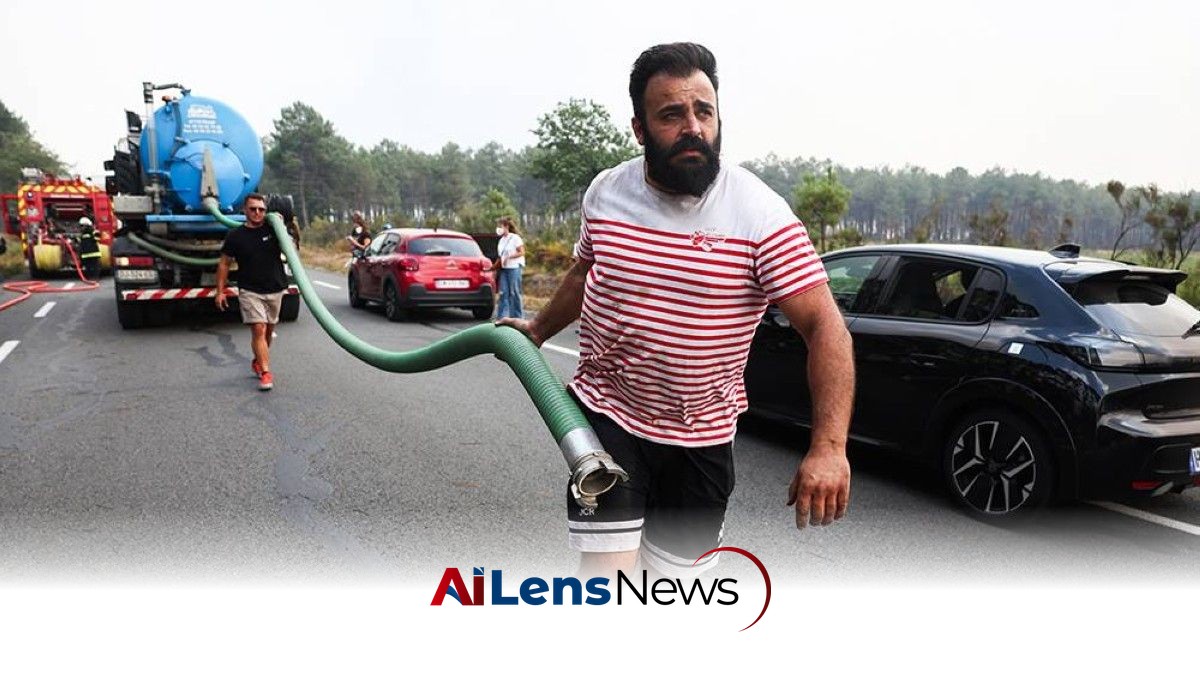


Significant developments in the wildfires affecting Spain and France, including evacuations, fire management efforts, and government responses.
Kuwait City, Kuwait Jul 27, 2026 ALN: Here are the main developments related to the wildfires raging in Spain and France:
France fire stable
The fire in France’s southwest Gironde region was stable overnight, local authorities said. This stability is a welcome sign for the local communities that have been on high alert due to the rapidly spreading wildfires. The Gironde region, known for its picturesque vineyards and forests, has been heavily impacted by these fires, which have become a frequent occurrence in recent years due to changing climate conditions.
“At this stage, the situation remained stable overall overnight, without any major developments,” the local prefecture wrote in a media briefing. This stability allows firefighting teams to focus on containment efforts and assess the damage done thus far.
Holiday camps banned
The Gironde local authority said early Monday it was banning holiday camps, including Scouts’ trips with overnight stays and holiday camps for people with disabilities. This decision highlights the seriousness of the situation and the need to prioritize safety over recreational activities during this crisis. Such measures are critical in preventing potential tragedies and ensuring that emergency services can operate without additional complications.
115,000 hectares burned
Some 115,000 hectares (284,000 acres) have burned in wildfires in France since the start of the year, “far more than anything we have seen in the past,” Interior Minister Laurent Nunez said Sunday. The scale of these fires raises concerns not only for the immediate environment but also for the long-term ecological impacts that could affect biodiversity and local economies reliant on agriculture and tourism.
France is currently battling 30 to 40 wildfires daily, Nunez told France 2 television. Conditions remained “very unfavorable” on major fronts, including the southwestern regions of Gironde and Landes, and in the Mediterranean Var region. The persistence of these fires is indicative of broader trends linked to climate change, which has led to hotter, drier summers that exacerbate wildfire risks.
A total of 2,500 firefighters, including a Swiss firefighting team, 1,500 military personnel, and around 1,200 police have been deployed to Gironde, Nunez said earlier. The collaboration between local and international firefighting teams underscores the severity of the crisis and the need for a coordinated response to manage the situation effectively.
Macron calls crisis meeting
French President Emmanuel Macron will chair a crisis cabinet meeting Monday morning to discuss the wildfires ravaging several areas of southwest France, his office said. This meeting is crucial as it will allow government officials to assess the situation and allocate resources effectively. The government’s response to this crisis will likely set a precedent for how future environmental disasters are managed, especially as climate change continues to pose a significant threat.
Fire cloud
The gigantic wildfire ravaging southwest France has created a dangerous “pyrocumulonimbus”—a phenomenon never before seen in the country—the spokesman for the country’s National Firefighters Federation of France (FNSPF) told AFP. These fire clouds can lead to extreme weather conditions, including lightning strikes and erratic winds, which can complicate firefighting efforts.
Also called a cumulonimbus flammagenitus, they can occur during volcanic eruptions or, as in this case, when a wildfire roasts the air near the ground, causing it to rise quickly. The rising air cools and becomes a “fire cloud”: a turbulent mass that can generate its own winds that worsen fires. This phenomenon illustrates the complex interplay between wildfires and atmospheric conditions, which can lead to unpredictable and dangerous situations.
No quick return
The 220,000 people evacuated away from the massive wildfire in France’s Gironde region will not be able to return home “until the fire has been brought under control,” the local prefect said Sunday. The scale of the evacuation reflects the urgency of the situation and the potential threat to life and property. “I urge tourists not to come, not to travel to the Gironde,” added Sophie Brocas, emphasizing the need for public cooperation in managing the crisis.
There would be no normal workday Monday in the affected towns, ahead of a possible worsening of the situation on Tuesday due to an expected rise in temperatures, she added. This disruption not only affects local businesses but also highlights the broader economic implications of the wildfires, which can take years to recover from.
Italy sea evacuations
More than 400 people in Italy were evacuated by sea Sunday as a wildfire swept through parts of the southern Adriatic coast, with several hundred more expected to be rescued, the coastguard said. The rapid escalation of wildfires in southern Europe raises concerns about the region's preparedness for such natural disasters, especially as climate models predict an increase in the frequency and intensity of wildfires in the coming years.
Spain’s largest fire
The wildfires ravaging areas around Spain’s capital Madrid have included the largest forest fire in the country’s recent history, Sara Aagesen, Minister for Ecological Transition, told journalists. This highlights the severity of the crisis and the need for immediate action to address the underlying causes of these fires, which are often linked to land management practices and climate change.
The blazes have “affected” 77,000 hectares in the Madrid, Avila, and Toledo regions, with the largest area around Avila, she said. This extensive damage to land not only threatens local ecosystems but also impacts the livelihoods of farmers and communities that depend on these resources.
‘Incalculable’ damage
Spain’s King Felipe VI, visiting a shelter for evacuees, said the wildfires ravaging the countryside around Madrid and other areas had caused “incalculable” damage to the nation’s natural heritage. His visit underscores the royal family's concern for the affected communities and the importance of solidarity in times of crisis. The phrase "incalculable damage" reflects the deep emotional and ecological scars that such disasters leave behind, which can take generations to heal.
Spanish Prime Minister Pedro Sanchez, visiting the fire zone west of Madrid, warned that “difficult hours lie ahead” even if there were “positive” indications towards containing the blaze. He is due to visit affected areas in Valencia on Monday. The Prime Minister's acknowledgment of the challenges ahead emphasizes the reality that while containment efforts may show promise, the situation remains precarious and requires ongoing vigilance and support from both local and national governments.
As wildfires continue to ravage parts of Europe, the implications of these disasters extend beyond immediate environmental concerns. They raise critical questions about climate policy, land management practices, and the need for increased resources to combat and adapt to changing conditions. The response to these wildfires may serve as a catalyst for broader discussions on how to better prepare for and mitigate the impacts of future natural disasters in a rapidly changing climate.
To learn more about the latest developments in Environmental Policy, stay updated with our exclusive reports and analyses on AiLensNews.

