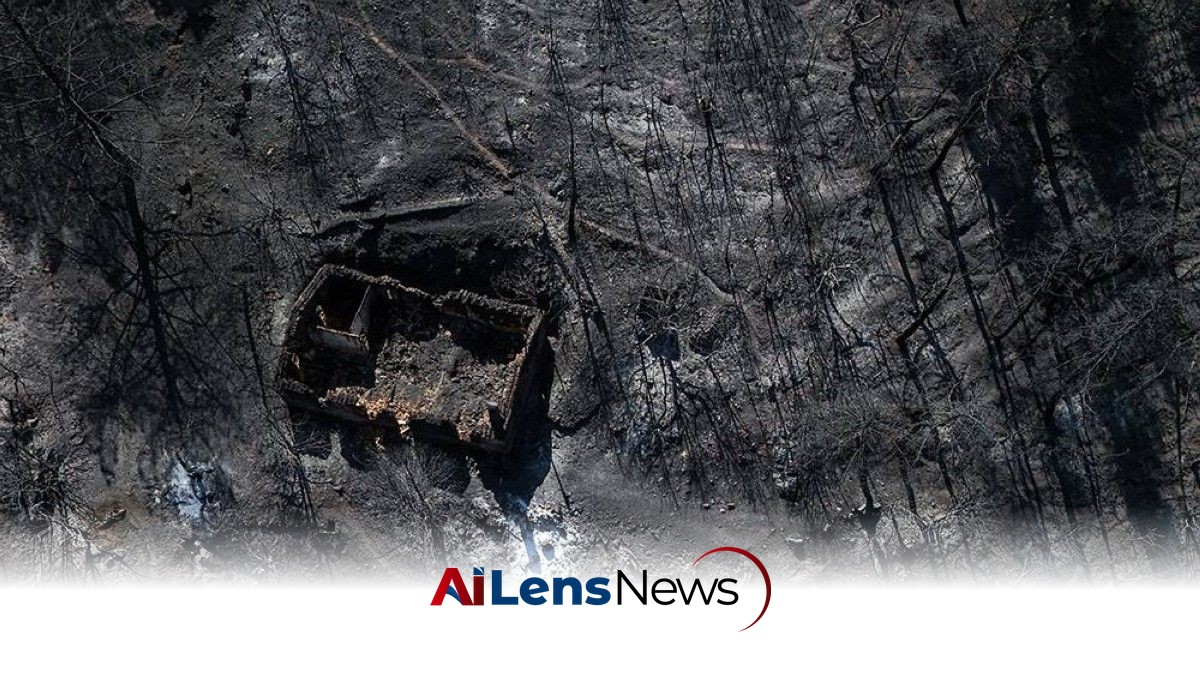


In El Tiemblo, locals unite to defend the ancient chestnut tree, ‘El Abuelo,’ from devastating wildfires, showcasing community spirit and resilience.
Kuwait City, Kuwait Aug 1, 2026 ALN: EL TIEMBLO, Spain: As a wildfire closed in, residents of the town of El Tiemblo grabbed shovels and rakes to defend an elder—“El Abuelo,” a centuries-old chestnut tree, one of Spain’s most treasured. Estimated to be more than 500 years old, El Abuelo—“The Grandfather”—is the best-known tree in an ancient chestnut woodland inside the Valle de Iruelas Nature Reserve in the central province of Avila. This tree is not merely a natural wonder; it is an integral part of the community's identity and history.
The recent wildfires, which destroyed around 77,000 hectares of land across various regions of Spain, have highlighted the increasing frequency and intensity of such disasters in the country, largely attributed to climate change and land management practices. The fires forced the evacuation of tens of thousands of people before the blazes were contained, underscoring the urgency of local and national responses to wildfire threats.
El Abuelo stands tall at approximately 25 metres (82 feet) with a trunk circumference exceeding 15 metres, making it one of Spain’s most impressive examples of an ancient tree. The chestnut forest surrounding El Tiemblo is not only a natural habitat but also a cultural emblem for the town. “The chestnut forest is the emblem of El Tiemblo. You cannot understand this town without it. It is like our heart,” Jose Carlos, a 50-year-old quality control technician who lives in El Tiemblo, expressed, emphasizing the tree's significance beyond its physical presence.
The tree's hollow trunk is large enough to have sheltered animals, while its twisted branches and multiple trunks give the tree an almost sculptural appearance, making it a natural monument that attracts both locals and tourists. As firefighters focused on protecting built-up areas during the wildfire, dozens of residents formed an improvised line of defense, showcasing a remarkable sense of community and shared responsibility. They worked tirelessly to stop the wildfire from reaching the ancient chestnut forest where El Abuelo stands.
“We brought our own hoes, rakes, and vehicles. Some people even brought heavy machinery,” Javier Garcia, a 67-year-old retired laboratory worker, recounted, standing in front of El Abuelo, which emerged unscathed from the wildfire. Garcia dedicated four days to the defense effort, arriving early each morning and working until sunset. He estimated that around 120 local residents joined the effort, while other volunteers prepared food for those fighting the flames back in El Tiemblo, about 10 kilometers from El Abuelo. This collective action reflects a historical practice where communities would come together to combat fires, reinforcing social bonds and shared values.
‘Our greatest treasure’
The flames stopped short of the chestnut forest but scorched the nearby pine woodland. Smoke still rose from the blackened ground days later, serving as a stark reminder of the fire's impact. Three horses grazed on a small patch of unburned grass as a water-dropping helicopter flew overhead, demonstrating the continued efforts to manage the aftermath of the blaze. Crews worked diligently to prevent the fire from flaring up again, highlighting the ongoing challenges faced by firefighters and local authorities in the wake of such disasters.
The wildfire, one of Spain’s most severe in recent years, began on July 23 near the town of Burgohondo in Avila province. It spread rapidly through dry vegetation, fanned by strong winds, and forced evacuations and confinement orders across several communities, including El Tiemblo, before being brought under control eight days later. This incident serves as a critical case study in the context of Spain's wildfire management strategies and the need for enhanced preparedness in the face of climate change.
The ancient chestnut grove was saved “thanks above all to the locals, who devoted their experience, courage, energy, and time—putting their hearts and souls into the effort,” El Tiemblo mayor Arturo Varas stated, calling El Abuelo “the symbol” of the town. The mayor emphasized the crucial role of local knowledge in navigating the terrain and effectively combating the fire. “They know where to go and where not to go, and in this case, they found the best way to save our chestnut tree, which is our greatest treasure,” he said, standing outside El Tiemblo’s town hall.
‘Very proud’
The volunteers who rallied to protect El Abuelo came from all generations, including elderly residents who made their way through the steep forest to help protect the tree. “They all wanted to go because when you are faced with a disaster like this, everyone wants to help and reach the area as quickly as possible to prevent further damage,” Varas noted. This collective spirit is indicative of a broader cultural ethos in rural Spain, where community ties often dictate responses to emergencies.
The chestnut forest where El Abuelo stands is a top tourist draw in the area, especially in autumn when the leaves turn orange and gold, attracting visitors from across the country and beyond. The community's efforts to protect this natural treasure not only safeguard their heritage but also support the local economy, which relies heavily on tourism. “I feel very proud of the people in my town who stepped up and were there,” Carlos, the technician who lives in El Tiemblo, remarked, reflecting the pride and solidarity felt among residents during this challenging time.
The implications of this event extend beyond the immediate impact of the wildfire. It raises questions about land management practices, the effectiveness of wildfire prevention strategies, and the role of community engagement in disaster response. As climate change continues to exacerbate the frequency and intensity of wildfires, the experiences of El Tiemblo residents may serve as a model for other communities facing similar threats. The resilience shown by the people of El Tiemblo in their fight to protect El Abuelo not only demonstrates their deep connection to their environment but also highlights the importance of community solidarity in the face of adversity.
In conclusion, the events surrounding El Abuelo and the recent wildfires in Spain illustrate the intricate relationship between communities and their natural surroundings. As climate change poses increasing challenges, the need for proactive measures, community engagement, and sustainable practices becomes ever more critical. The story of El Abuelo is not just about a tree; it is a testament to the enduring spirit of a community united in the face of disaster, preserving their heritage for future generations.
To learn more about the latest developments in Environmental Policy, stay updated with our exclusive reports and analyses on AiLensNews.

