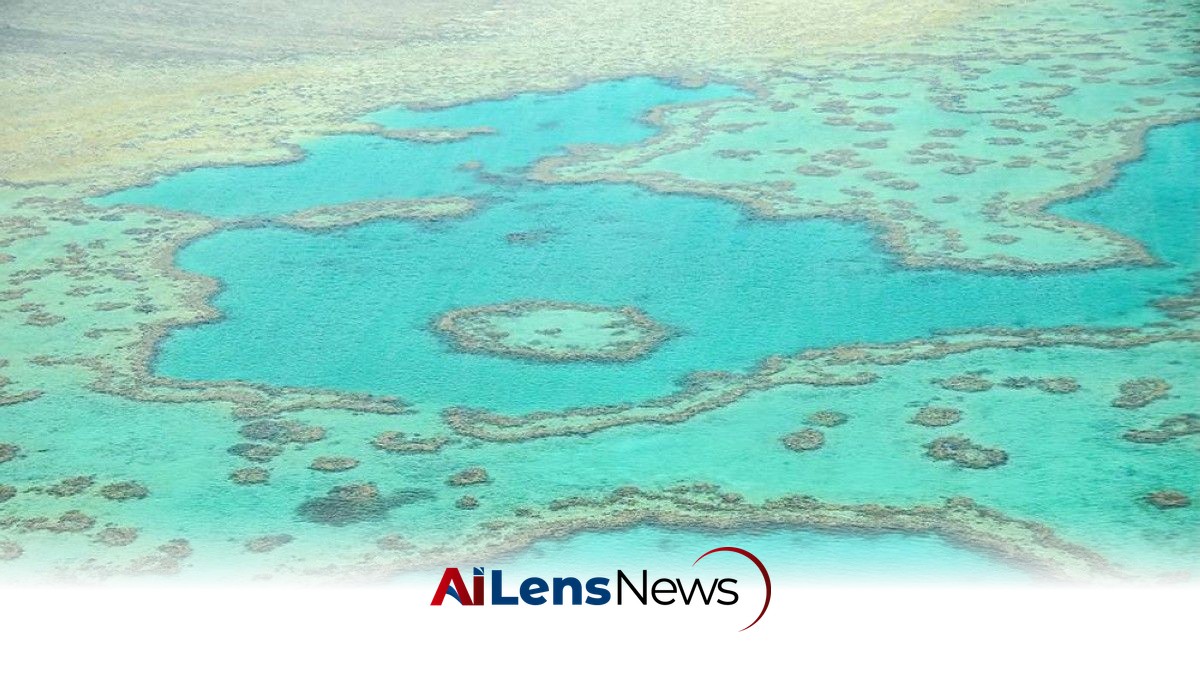


Australia's Great Barrier Reef faces a severe risk of bleaching and ecosystem collapse linked to the ongoing El Niño phenomenon, experts warn.
Kuwait City, Kuwait Jul 21, 2026 ALN: Auckland: Australia’s Great Barrier Reef is at a very high risk of extreme and widespread bleaching and "ecosystem collapse" linked to this year’s El Niño weather phenomenon, top scientists warned Tuesday.
Often dubbed the world’s largest living structure, the reef stretches 2,300 kilometers (nearly 1,430 miles) along the coast of Queensland state and is a major tourism draw for Australia. This month it avoided being listed as endangered, despite the United Nations reporting “utmost concern” about mass coral bleaching and the impact of climate change.
Morgan Pratchett, a marine conservation ecologist at Queensland’s James Cook University, told the International Coral Reef Symposium in Auckland, New Zealand, that the “extreme El Niño” posed a significant concern. El Niño is a climate pattern that describes the unusual warming of surface waters in the eastern tropical Pacific Ocean. This phenomenon can have various environmental impacts, including changes in weather patterns and increased ocean temperatures, which can severely affect marine ecosystems, particularly coral reefs.
“It’s not outside of the realm of possibility that the next major disturbance will lead to localized species extinctions... and widespread ecosystem collapse,” Pratchett said. The implications of such a collapse are profound, as the Great Barrier Reef is not only a biodiversity hotspot but also a crucial component of the marine ecosystem. It provides habitat for a vast array of marine life, including fish, mollusks, sea turtles, and marine mammals, many of which are economically and ecologically significant.
This year’s El Niño is expected to break records for its overall strength as it warms surface temperatures in the central and eastern equatorial Pacific Ocean, bringing worldwide changes in winds, pressure, and rainfall patterns. The increased ocean temperatures associated with El Niño events can lead to coral bleaching, a phenomenon where corals expel the symbiotic algae living in their tissues, causing them to turn white and become more susceptible to disease and death.
“It’s a very high likelihood that we’ll see very high severity and large-scale mass bleaching on the Great Barrier Reef,” Pratchett said. The concern is not just for the immediate effects on the coral but also for the long-term ecological consequences that could follow. Coral reefs are vital for coastal protection, fisheries, and tourism, contributing billions of dollars to the economy and supporting millions of jobs worldwide.
UNESCO has been monitoring the reef annually since 2021, when it warned it was at risk of being placed on the list of World Heritage items “in danger.” Hard coral cover across the reef declined substantially in 2024-2025, with above-average water temperatures causing the reef’s sixth mass coral bleaching event since 2016. This decline in coral health can have cascading effects on the entire reef ecosystem, leading to the loss of biodiversity and disruption of food webs.
Extreme weather, land-based run-off, coastal development, and predation by the Crown of Thorns starfish were also placing the reef under pressure. These stressors compound the effects of climate change, creating a multifaceted threat to the reef’s survival. The Crown of Thorns starfish, in particular, has been responsible for significant coral loss, as these starfish feed on coral and can proliferate in response to nutrient-rich run-off from agricultural practices.
Marine studies professor Ove Hoegh-Guldberg from the University of Queensland said a lack of government action had globally threatened the future of coral reefs around the world. “This could be the precursor to the loss of humans,” he said. The implications of coral reef degradation extend beyond ecological concerns; they also encompass social and economic dimensions, particularly for communities that rely on healthy reefs for their livelihoods.
“If you were on a big boat, like the Titanic, and someone comes up to you and says the boat’s going down, you bloody well get on those lifeboats and start acting and do stuff.” Hoegh-Guldberg’s analogy underscores the urgency of addressing climate change and its impacts on marine ecosystems. He emphasizes that immediate action is essential to mitigate the effects of climate change and protect vulnerable ecosystems like the Great Barrier Reef.
“We’re not doing that. The ship is starting to sink in a really massive way, and we’re not seeing it as what it is. It is so serious.” The current situation calls for a coordinated global response to climate change, including reducing greenhouse gas emissions, protecting marine environments, and implementing sustainable practices in coastal development and agriculture. Without decisive action, the Great Barrier Reef may face irreversible damage, impacting not only its biodiversity but also the communities and economies that depend on it.
The warning from scientists comes at a time when public awareness and concern about climate change are growing. However, translating this awareness into effective policy and action remains a challenge. The Great Barrier Reef serves as a critical indicator of the health of our oceans and the impacts of climate change, and its fate may reflect broader trends affecting marine ecosystems worldwide.
In conclusion, the warnings from scientists regarding the Great Barrier Reef highlight the urgent need for global action to address climate change and protect vulnerable ecosystems. The potential for widespread coral bleaching and ecosystem collapse is not just a local issue; it is a global concern that requires immediate attention and coordinated efforts from governments, scientists, and communities around the world.
The Great Barrier Reef, recognized as a UNESCO World Heritage site, is not only a natural wonder but also a vital economic asset for Australia, contributing significantly to the tourism industry, which generates billions in revenue and supports thousands of jobs. The reef is home to over 1,500 species of fish, 400 species of coral, and various other marine organisms, making it one of the most diverse ecosystems on the planet. Its health is crucial for maintaining marine biodiversity and ensuring the resilience of oceanic environments.
As climate change continues to accelerate, the frequency and intensity of El Niño events are expected to increase, further threatening coral reefs globally. The phenomenon has been linked to various extreme weather events, including hurricanes, droughts, and heavy rainfall, which can exacerbate existing environmental stresses. These changes not only threaten marine life but also have far-reaching consequences for human populations that depend on these ecosystems for food, income, and coastal protection.
In light of these challenges, scientists advocate for a multifaceted approach to conservation that includes not only immediate responses to climate change but also long-term strategies aimed at building resilience among marine ecosystems. This includes establishing marine protected areas, restoring damaged habitats, and promoting sustainable fishing practices. Such measures can help mitigate the impacts of climate change and enhance the adaptive capacity of coral reefs.
Furthermore, public engagement and education are vital in fostering a culture of conservation. By raising awareness about the importance of coral reefs and the threats they face, communities can become more involved in conservation efforts. This can lead to increased pressure on governments to take meaningful action and implement policies that prioritize the health of marine environments.
Ultimately, the fate of the Great Barrier Reef serves as a barometer for the health of our oceans and the broader implications of climate change. As scientists continue to warn of the imminent risks, it is imperative that stakeholders at all levels—governments, industries, and individuals—commit to taking decisive action to protect this invaluable natural resource. The time for action is now; the future of the Great Barrier Reef and the myriad of life it supports depend on it.
To learn more about the latest developments in Environmental Policy, stay updated with our exclusive reports and analyses on AiLensNews.

