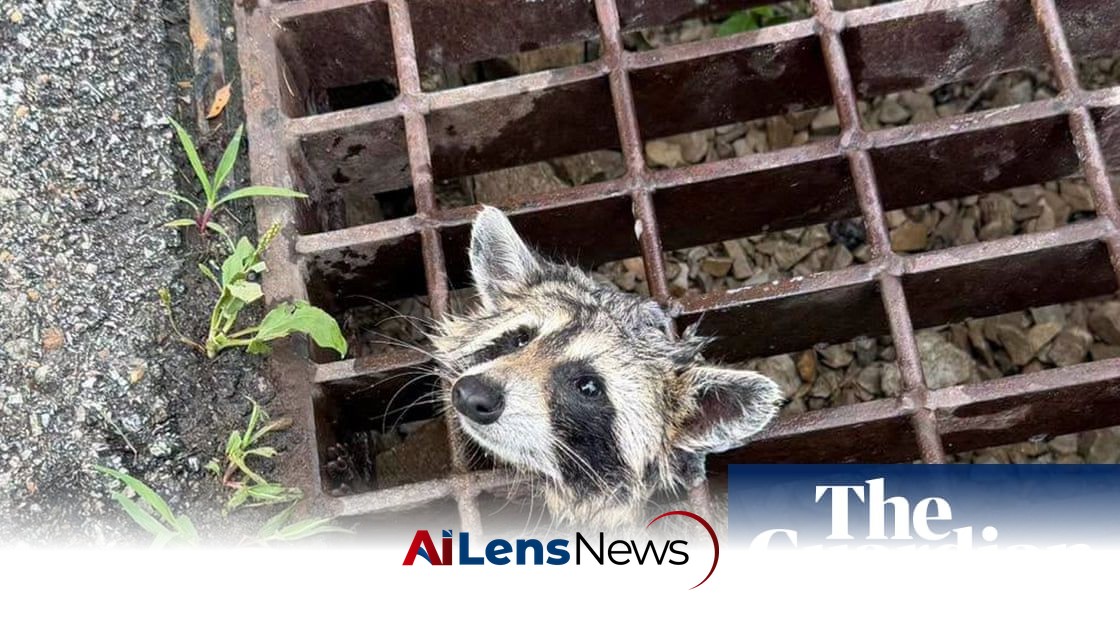


This week's wildlife highlights feature a raccoon in a precarious situation, a resilient mouse, and a well-camouflaged wildcat, showcasing nature's diversity.
New Delhi, India Jul 17, 2026 ALN: This week’s wildlife photography captures the beauty and challenges faced by animals around the world. From a raccoon caught in an unusual predicament to a hardy mouse thriving in its , and a wildcat that blends seamlessly into its surroundings, these images tell compelling stories of survival and adaptation. Wildlife photography serves as a crucial medium for conveying the complex narratives of the animal kingdom, highlighting both the resilience and vulnerability of various species. The visual documentation of wildlife not only showcases their beauty but also emphasizes the urgent need for conservation efforts as many species face threats from human activities and al changes.
In a striking photograph, a raccoon is seen stuck in a tight spot, illustrating the often precarious situations wildlife can find themselves in. This image serves as a reminder of the challenges urban wildlife face as they navigate human s. Raccoons are known for their adaptability, often seen rummaging through garbage or exploring backyards in search of food. However, this particular scene highlights the risks they encounter when their curiosity leads them into dangerous or confining situations. Urban areas, while providing abundant food sources, can also present numerous hazards, such as traffic, pollution, and various human-made obstacles.
The adaptability of raccoons is well-documented; they have successfully thrived in diverse habitats, from forests to city streets. Their ability to exploit human waste and food sources has allowed them to maintain stable populations even in heavily urbanized areas. However, their increasing proximity to human activity raises important questions about wildlife management and urban planning. As cities expand, the natural habitats of many species are encroached upon, forcing wildlife to adapt in often harmful ways. This photograph serves as a poignant reminder of the need for responsible urban development that considers the needs of both humans and wildlife.
Moreover, raccoons are often viewed as pests due to their scavenging behavior, which can lead to conflicts with humans. This dynamic creates a complex relationship between urban residents and wildlife, necessitating a greater understanding of raccoon behavior and ecology. Education and public awareness campaigns can help mitigate these conflicts, promoting coexistence strategies that benefit both parties. The image of the raccoon in distress underscores the urgent need for such initiatives, as it illustrates the consequences of urbanization on wildlife.
Another captivating image features a hardy mouse, showcasing its resilience in the wild. Mice are often overlooked in the grand tapestry of wildlife, yet they play a crucial role in the ecosystem. This photograph captures the mouse in its natural habitat, emphasizing its ability to thrive despite various challenges. Mice serve as a fundamental food source for many predators, including birds of prey, snakes, and larger mammals. Their presence in the ecosystem is vital for maintaining the balance of various food chains.
Moreover, the adaptability of mice extends beyond their role in the food web. They are known for their remarkable ability to reproduce rapidly, which allows their populations to recover quickly from predation and al changes. This resilience is essential for their survival, especially in fluctuating habitats where resources may be scarce. The image of the mouse not only highlights its physical attributes but also symbolizes the tenacity of life in the face of adversity. It reflects how small creatures can have significant impacts on their ecosystems, contributing to soil aeration and seed dispersal, which are crucial processes for plant growth.
Furthermore, the study of mice has provided valuable insights into various biological and ecological processes, including behavior, genetics, and disease dynamics. Their adaptability to different s has made them a subject of interest in scientific research, particularly in understanding how species adapt to changing conditions. The resilience of mice serves as a reminder of the intricate connections within ecosystems and the importance of maintaining biodiversity to ensure ecological stability.
A stunning shot of a wildcat demonstrates the effectiveness of camouflage in nature. The wildcat’s fur blends perfectly with its surroundings, making it nearly invisible to the untrained eye. This adaptation is vital for hunting and avoiding predators, showcasing the incredible evolutionary traits of these elusive creatures. Camouflage is a critical survival mechanism that many animals have developed to evade detection by both prey and predators. In the case of the wildcat, its ability to remain hidden allows it to stalk its prey effectively, enhancing its hunting success.
Wildcats, which include various species across the globe, have adapted to a wide range of habitats, from dense forests to arid deserts. The effectiveness of their camouflage varies depending on their , underscoring the importance of habitat conservation. As ecosystems change due to human activity and climate change, the natural adaptations that wildcats rely on may be jeopardized. Factors such as habitat destruction, poaching, and climate change threaten their survival, making conservation efforts crucial for their continued existence.
The photograph of the camouflaged wildcat serves as a reminder of the delicate balance within ecosystems and the need for ongoing conservation efforts to protect these magnificent creatures. Protecting wildcat habitats not only ensures their survival but also maintains the health of the entire ecosystem, as they often occupy the role of apex predators. Their presence helps regulate prey populations, which in turn supports plant diversity and overall ecosystem health.
Wildlife photography not only captures the beauty of animals but also raises awareness about their conservation. Each image serves as a window into the lives of these creatures, reminding us of the importance of preserving their habitats and protecting them from threats such as habitat loss and climate change. The visual impact of wildlife photography can evoke emotions and inspire action, making it a powerful tool for conservationists and advocates. Through compelling imagery, photographers can highlight the plight of endangered species and the urgent need for protective measures.
Furthermore, wildlife photography can play a significant role in education. By showcasing the intricate details of animal behavior, habitat, and interactions within ecosystems, photographers can help foster a deeper understanding of wildlife among the general public. This increased awareness can lead to greater support for conservation initiatives, as individuals become more informed about the challenges faced by various species and the importance of biodiversity. Educational programs that incorporate wildlife photography can be particularly effective in engaging younger audiences, instilling a sense of responsibility towards nature from an early age.
In addition to raising awareness, wildlife photography can also document changes in animal populations and habitats over time. Long-term photographic studies can provide valuable data for researchers and conservationists, helping to track the impacts of al changes and human activity on wildlife. This documentation is essential for developing effective conservation strategies and policies aimed at protecting vulnerable species and their habitats. By analyzing trends in wildlife photography, researchers can identify areas in need of urgent conservation action and allocate resources more effectively.
This week’s highlights from the animal kingdom remind us of the diverse and often challenging lives of wildlife. Through the lens of photography, we gain insight into their world, fostering a deeper appreciation for the natural and the need for its protection. As we continue to face pressing al issues, the stories told through wildlife photography can serve as a call to action for individuals and communities to engage in conservation efforts. By understanding and valuing the intricate connections within ecosystems, we can work towards a future where both wildlife and humans can coexist harmoniously. The role of wildlife photographers is pivotal in this endeavor, as they not only document the beauty of the natural world but also advocate for its preservation, ensuring that future generations can experience the wonders of wildlife.
To learn more about the latest developments in Conservation, stay updated with our exclusive reports and analyses on AiLensNews.

