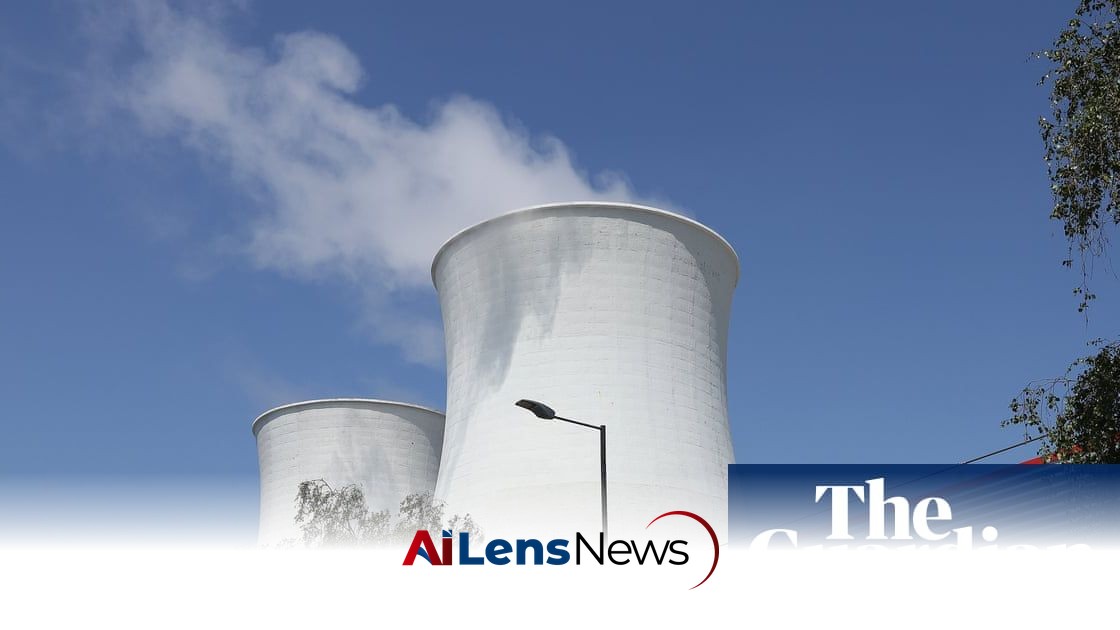


The water industry has raised alarms over insufficient water resources to support the UK's datacentre growth plans, criticizing government policies as inadequate.
New Delhi, India Jul 21, 2026 ALN: The UK is on the brink of a significant water shortage that could hinder the expansion of datacentres, according to a stark warning from the water industry. This critique comes in light of the government's ambitious plans for artificial intelligence (AI) growth, which the industry claims are fundamentally flawed due to a lack of consideration for water resources.
Datacentres, which are essential for managing the heat generated by densely packed servers, rely heavily on water for cooling systems such as cooling towers, chillers, and humidifiers. Not only do these facilities consume large amounts of water directly, but they also indirectly increase water demand through their substantial electrical power consumption. As the demand for data processing and storage continues to grow, so too does the energy and water required to keep these facilities operational.
Water UK, the trade body representing water companies in England and Northern Ireland, expressed its concerns in a written briefing to Members of Parliament (MPs). The organization criticized the government's water forecasts as "fatally flawed," noting that they explicitly exclude datacentres from their assessments. This oversight raises significant alarms, particularly as the government is pushing for rapid expansion in the tech sector, which includes datacentres that are critical to supporting AI and other technological advancements.
In its briefing, Water UK highlighted that the government has failed to mention water in its policies regarding AI growth zones, the AI for science strategy, or the AI opportunities action plan. The lack of integration between water resource management and technological development raises questions about the sustainability of such growth. Furthermore, the most recent national framework for water resources, published in June 2025, did not include any estimates for the water demands of datacentres, a glaring omission given the increasing reliance on digital infrastructure.
"There appears to be an assumption that the country will always have enough water for its economic needs," the briefing stated. "Nothing could be further from the truth." This sentiment is echoed by a House of Lords report from May, which warned that England could face a shortfall of 5 billion litres of water per day by 2055. Such projections highlight the urgent need for a reassessment of water management strategies in light of the growing demands from both residential and commercial sectors.
Water UK pointed out that many datacentres are already being constructed in regions experiencing water stress, with over three-quarters located in the south and east of England. These areas have recently faced hosepipe bans due to prolonged periods of extreme heat and insufficient rainfall, which have further exacerbated existing water shortages. The concentration of datacentres in these vulnerable regions poses a significant risk, as the competing demands for water could lead to conflicts between commercial interests and the needs of local communities.
The trade body warned that any further growth of datacentres in these water-stressed regions may be impossible without significant policy changes, given the existing pressure on water supply networks. The increasing frequency of droughts and changing climate patterns necessitate a more sustainable approach to water resource management. "As leakage and demand targets are already very ambitious, the only solution to deliver new supply is to increase the amount of water taken from existing sources, which may be harmful, or to build new supplies. However, major reservoirs can take up to 15 years to plan and construct," Water UK explained.
Despite improvements in reducing leakage—around 40% since privatisation—Greenpeace recently reported that water companies are wasting five times more water through leaky pipes than could be saved by a national hosepipe ban. This inefficiency in water management underscores the urgent need for investment in infrastructure and technology to prevent water loss and ensure sustainable supply.
The concentration of datacentres is particularly high in Slough, which is served by Affinity Water. Approximately 125 datacentres are either proposed or under construction in this region, much of which is currently under a hosepipe ban. Some of these facilities have requested up to 3 million litres of water per day, equivalent to the peak water demand of 3,500 homes. This stark contrast highlights the disproportionate impact that datacentres can have on local water resources.
Affinity Water has noted that the planning framework is primarily focused on household growth and per-capita consumption, failing to adapt to the substantial water needs of commercial users, which can be comparable to those of a market town. This misalignment in planning priorities raises concerns about the long-term sustainability of water resources in areas with high concentrations of datacentres.
Due to regulatory requirements, datacentres are currently mandated to use drinking water exclusively. Water UK estimates that datacentres in England consume approximately 6.6 million litres of drinking water daily, a figure that could rise to 19.8 million litres per day if the government achieves its goal of tripling datacentre capacity by 2030. This alarming projection necessitates immediate action to ensure that water resources are managed effectively and sustainably.
Jon Chappel, deputy director of Water UK, described the current situation as "unforgivable" and indicative of a "genuine failing of government." He noted that England's current water shortfall is 220 million litres more per day than previously anticipated, a deficit being addressed by accepting greater risks of harm and imposing restrictions on water use during droughts. This situation underscores the need for a comprehensive review of water management practices and policies to ensure that they align with the realities of climate change and increasing demand.
Similar concerns have emerged in Ireland, where hosepipe bans have sparked criticism of water companies and the government regarding the lack of clarity about the water usage of datacentres. The parallels between the UK and Ireland highlight a broader regional issue regarding the sustainability of water resources in the face of rapid technological expansion.
The UK government has classified datacentres as critical national infrastructure, arguing that their loss could significantly impact essential services and national security. However, Oliver Hayes from the campaign group Global Action Plan questioned the rationale behind this designation, suggesting it could lead to datacentres being prioritized over residential water needs during peak demand periods. This potential conflict of interest raises ethical questions about the prioritization of commercial needs over those of the general population.
Chappel emphasized that Water UK has urged the government to establish a drought hierarchy to clarify which sectors should be prioritized during water shortages, but no action has been taken thus far. "Without this, there will be a trade-off across society," he warned. The absence of a clear framework for managing water resources during times of scarcity could lead to significant social and economic repercussions, particularly for vulnerable communities.
At the end of June, a coalition of water companies, the water regulator Ofwat, the Agency, the Met Office, and Natural Resources Wales announced a £75 million campaign aimed at encouraging water conservation among the public. Water consumption per person in England and Wales remains among the highest in Europe, indicating a pressing need for cultural shifts towards more sustainable water usage practices.
The government was expected to release a national policy statement for AI growth in February, outlining a comprehensive strategy and addressing cumulative impacts, but this has been delayed. The postponement of this policy raises concerns about the government's commitment to integrating water resource management into its broader economic growth strategies.
A government spokesperson stated that economic growth and sustainable development must coexist, assuring that efforts will be made to protect water supplies while facilitating growth, including exploring alternatives to minimize the impact on water resources. However, the effectiveness of these measures remains to be seen, particularly in light of the increasing pressures on water supplies and the urgent need for a balanced approach to growth and sustainability.
To learn more about the latest developments in Environmental Policy, stay updated with our exclusive reports and analyses on AiLensNews.

