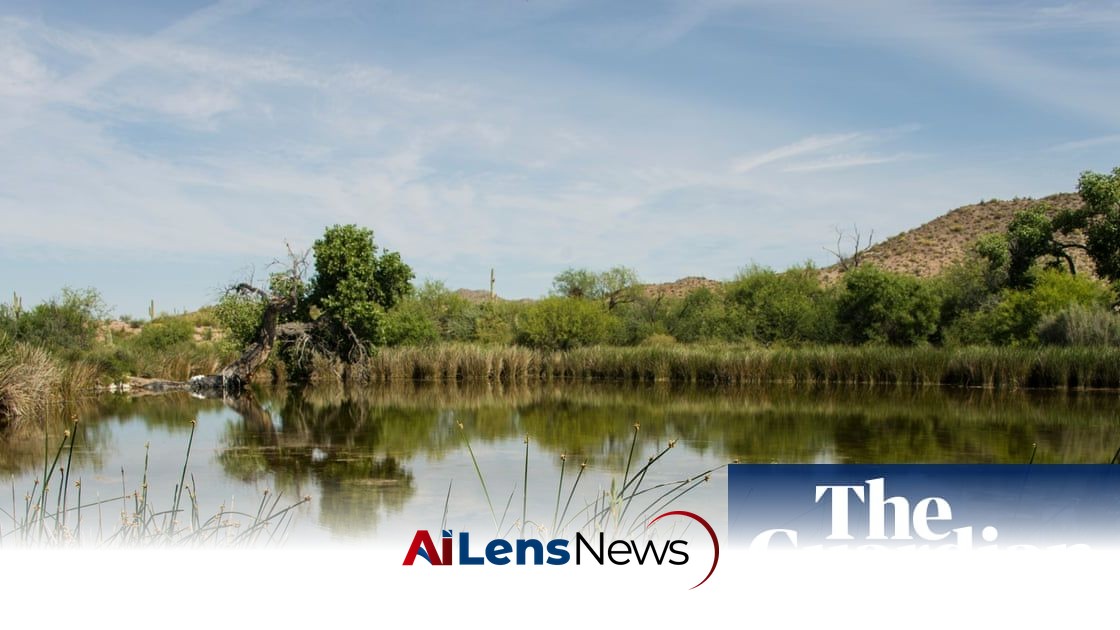


Plans to build a second border wall near Quitobaquito Springs, a crucial habitat for endangered species, raise alarms among conservationists and Indigenous leaders.
New Delhi, India Jul 25, 2026 ALN: Quitobaquito Springs, located in southwest Arizona, is often described as a biological wonderland, crucial for both wildlife and the O’odham people, who regard it as sacred. This oasis in the Sonoran Desert is home to unique species, including the Sonoyta pupfish and the Sonoyta mud turtle, both of which are found nowhere else on Earth. The springs are vital, providing one of the only reliable water sources for over 100 miles in any direction. However, this precious ecosystem is now under threat due to plans to construct a second section of the border wall, just 90-150 feet north of the existing structure.
The original border wall, completed in 2020, has already caused significant damage to the springs. During its construction, water flow diminished to an all-time low, and the pond partially dried up due to a cracked lining. Now, with plans for a new wall, conservationists fear further destruction of this fragile habitat. The border wall is a controversial topic that has sparked widespread debate regarding its al impact, legal implications, and effects on local communities.
Despite the low levels of illegal crossings in the area, the government is pushing forward with the construction. According to Erick Meza, borderlands coordinator with the Sierra Club, the scale of this project is unprecedented and alarming. “I’ve never seen something of this magnitude,” he stated. This sentiment is echoed by many alists who argue that the wall's construction is not only an ineffective measure for border security but also an ecological disaster.
Researchers and Indigenous leaders warn that the construction could devastate the local wildlife and disrupt the delicate balance of this ecosystem. The southern edge of the pond is alarmingly close to the proposed construction site, putting it at risk of destruction from heavy machinery. Many species that rely on this habitat for survival may face extinction if their is irrevocably altered.
In light of the impending construction, researchers are racing against time to protect the wildlife. Michael Bogan, an aquatic ecologist from the University of Arizona, is leading efforts to recover the Sonoyta mud turtle population. The team is considering relocating the turtles to artificial habitats to ensure their survival. This drastic measure underscores the severity of the situation, as conservationists scramble to devise a plan that could mitigate the impending threats posed by the wall.
Currently, there are only about 250 mud turtles in the wild, with a backup population of 20 at the Arizona-Sonoran Desert Museum. The Phoenix Zoo has also offered to house turtles if necessary, highlighting the urgency of the situation. The low population numbers of these turtles indicate a fragile ecosystem that is already struggling to survive, making the potential impacts of the border wall even more dire.
As for the Sonoyta pupfish, there are several captive populations, but researchers emphasize that temporary housing is not a long-term solution. “Our main concern is that there’s a place for them to go back to,” said Debra Colodner, director of conservation science at the Arizona-Sonoran Desert Museum. The delicate nature of these species illustrates the broader implications of habitat destruction, as it may lead to a cascading effect on the entire ecosystem that relies on these organisms.
The construction of the border wall raises not only al concerns but also legal and cultural issues. The 2005 Real ID Act allows the Department of Homeland Security to waive al laws, which means that the construction can proceed without the necessary consultations and studies that would typically be required. This legal loophole has drawn criticism from various advocacy groups who argue that it undermines the protection of vital ecosystems and disregards the voices of local communities.
Wynona Larson Yazzie, an O’odham elder, emphasizes the cultural significance of Quitobaquito Springs, stating that it has served as a gathering place and a source of water for ceremonies for generations. The potential destruction of this sacred site is deeply troubling for the O’odham community. The springs have not only ecological importance but also serve as a historical and cultural touchstone for Indigenous peoples, representing a connection to their heritage and identity.
Christina Bell Andrews, a leader within the Hia-Ced O’odham, warns that the construction could destroy historical gravesites and disrupt traditional routes to the Sea of Cortez, where salt has been gathered for centuries. The implications of such destruction extend beyond immediate ecological concerns, touching on the preservation of cultural practices and the very identity of the O’odham people.
The local community has expressed outrage over the lack of planning and oversight regarding the wall's construction. Aaron Cooper, executive director of the International Sonoran Desert Alliance, criticized the federal government for its silence on the plans, stating, “I have never seen anything with so little planning and oversight.” This frustration reflects a broader sentiment among residents who feel marginalized in the decision-making processes that affect their land and resources.
As construction preparations begin, residents are concerned about increased traffic and access issues to the springs. The potential closure of access roads could make it significantly more difficult for the O’odham people to reach this sacred site. This disruption not only affects their daily lives but also threatens the continuity of cultural practices that rely on access to Quitobaquito Springs.
In conclusion, the plans to build a second border wall near Quitobaquito Springs pose a significant threat to both the and the cultural heritage of the O’odham people. As conservationists and community leaders rally to protect this vital oasis, the future of this unique ecosystem hangs in the balance. The ongoing situation serves as a critical reminder of the intersection between al policy and social justice, highlighting the need for a more inclusive approach to decision-making that considers the voices of all stakeholders involved. The outcome of this conflict will not only determine the fate of Quitobaquito Springs but may also set a precedent for how similar issues are handled in the future.
To learn more about the latest developments in Conservation, stay updated with our exclusive reports and analyses on AiLensNews.

