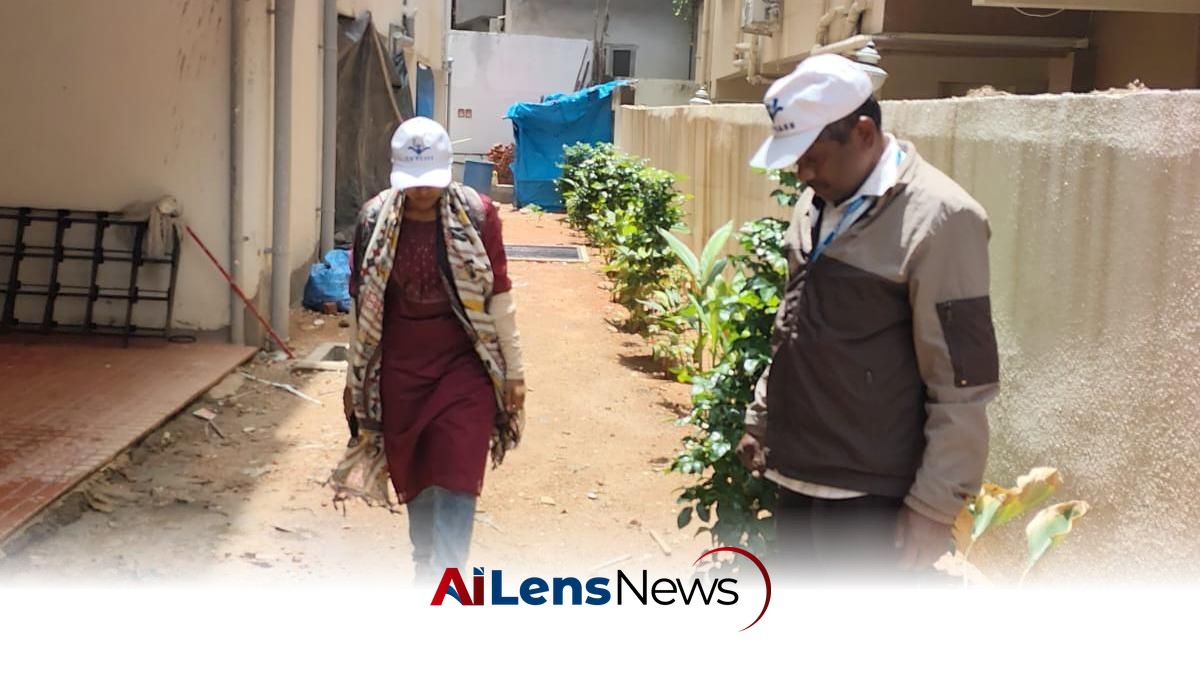



Hyderabad's Water Board praises local residents and apartment associations for their proactive measures in rainwater harvesting, emphasizing future water security.
Hyderabad, India Aug 2, 2026 ALN: In a significant move towards sustainable water management, the Hyderabad Water Board has commended local residents for their proactive initiatives in rainwater harvesting. Among these commendable efforts, building owners Vinod and Bhashyam have gone above and beyond by constructing four recharge pits at their property. This initiative not only exceeds the prescribed requirements but also demonstrates a commitment to conserving rainwater, recharging groundwater, and ensuring the functionality of their borewell during the summer months, as highlighted in a statement released by the Water Board on Saturday.
Each of the recharge pits constructed by Vinod and Bhashyam measures six feet by four feet and is six feet deep. This design allows for efficient collection and storage of rainwater. The system includes separate pipelines that effectively channel rainwater from the terrace directly into the recharge pits, and according to the Water Board, the entire setup is now fully operational. This kind of infrastructure is crucial in urban areas like Hyderabad, where groundwater levels have been declining due to over-extraction and insufficient recharge.
The Water Board emphasized that rainwater harvesting should not merely be viewed as a regulatory requirement for obtaining an occupancy certificate. Instead, it should be regarded as a vital strategy for planning future water needs. K. Ashok Reddy, the managing director of the Water Board, praised not only Vinod and Bhashyam but also various residents and apartment associations across several localities, including Gandhinagar, Yousufguda, Rock Town Colony, Manikonda, Bachupally, Kondapur, Nagole, Sanathnagar, Motinagar, Hayathnagar, and Srinagar Colony. He noted that the installation of recharge pits and injection wells by these communities reflects a collective effort towards sustainable water management. Reddy remarked, "Rainwater conservation today is the foundation of tomorrow’s water security," highlighting the long-term benefits of such initiatives.
The importance of rainwater harvesting cannot be overstated, especially in a city like Hyderabad, which has been grappling with water scarcity issues. The monsoon season, while providing a temporary respite, often leads to flooding in some areas and does not guarantee a sustainable supply of water throughout the year. With the city's growing population and increasing demand for water, innovative solutions like rainwater harvesting are essential to ensure a reliable water supply.
In addition to individual efforts, the Water Board has been actively encouraging property owners to divert rooftop rainwater into recharge pits, soak pits, or even unused borewells. This practice not only helps in improving groundwater levels but also significantly reduces the dependence on water tankers, which are often used to meet the shortfalls in water supply. The use of tankers can be both costly and environmentally taxing, as it involves the transportation of water over long distances, contributing to carbon emissions.
Moreover, the implementation of rainwater harvesting systems can lead to a more resilient urban water supply system. By capturing and utilizing rainwater, residents can reduce their reliance on municipal water supplies, which are often stretched thin during peak demand periods. This self-sufficiency can alleviate some of the pressure on local water resources and help in managing the overall water distribution more effectively.
Furthermore, the practice of rainwater harvesting aligns with broader environmental and sustainability goals. It contributes to the conservation of natural resources, enhances groundwater recharge, and promotes biodiversity by maintaining the water table. Additionally, it can mitigate the impacts of urban flooding by reducing surface runoff during heavy rains, thus protecting infrastructure and reducing the risk of waterlogging.
As Hyderabad continues to grow, the need for sustainable water management practices will only become more critical. The city’s urban planners and policymakers are increasingly recognizing the importance of integrating rainwater harvesting into urban development strategies. This includes not only promoting individual household initiatives but also incorporating rainwater harvesting systems into public infrastructure projects, schools, and community buildings.
Education and awareness campaigns are also essential to ensure that residents understand the benefits and methods of rainwater harvesting. By providing information and resources, the Water Board can empower residents to take action in their own homes and communities, fostering a culture of conservation and sustainability.
In conclusion, the commendation from the Hyderabad Water Board serves as a reminder of the collective responsibility of residents in managing water resources. Initiatives like those undertaken by Vinod and Bhashyam exemplify the positive impact that individual actions can have on the broader community. As more residents engage in rainwater harvesting and other water conservation practices, Hyderabad can move towards a more sustainable and secure water future, ensuring that its growing population has access to the water resources it needs while safeguarding the environment for future generations.
To understand the broader implications of rainwater harvesting in Hyderabad, it is essential to consider the historical context of water management in the region. Hyderabad, known for its rich history and rapid urbanization, has faced significant challenges in managing its water resources. The city has seen an influx of migrants and a corresponding increase in population, leading to heightened demand for water supply. The traditional sources of water, such as lakes and rivers, have been overexploited and polluted, necessitating innovative solutions to ensure a sustainable water supply.
The monsoon season, which typically occurs from June to September, brings heavy rainfall, but much of this water is lost to runoff rather than being captured for future use. Rainwater harvesting systems can play a crucial role in mitigating this waste by capturing rainwater during the monsoon months and storing it for dry periods. This not only helps individuals and families but also contributes to the overall health of the local ecosystem.
In urban settings, rainwater harvesting systems can be tailored to fit various types of properties, from single-family homes to large commercial buildings. The adaptability of these systems makes them a viable option for many residents looking to contribute to sustainable water management practices. Additionally, subsidies and incentives from local government bodies can encourage more property owners to invest in rainwater harvesting systems, further promoting widespread adoption.
Furthermore, the integration of rainwater harvesting into urban planning can lead to the development of green spaces and parks, which are essential for enhancing the quality of life in densely populated areas. These green spaces not only provide recreational opportunities but also help in temperature regulation, improving air quality, and supporting biodiversity. As such, rainwater harvesting can be part of a larger strategy for creating more livable and sustainable urban environments.
In summary, the commendations from the Hyderabad Water Board reflect a growing recognition of the importance of individual and community efforts in addressing water scarcity through rainwater harvesting. The initiatives taken by residents like Vinod and Bhashyam serve as a model for others to follow, demonstrating that collective action can lead to meaningful change. As Hyderabad continues to evolve, fostering a culture of water conservation through education, public policy, and community engagement will be crucial in ensuring that the city can meet the challenges of a changing climate and a growing population.
To learn more about the latest developments in Environmental Policy, stay updated with our exclusive reports and analyses on AILensNews.

