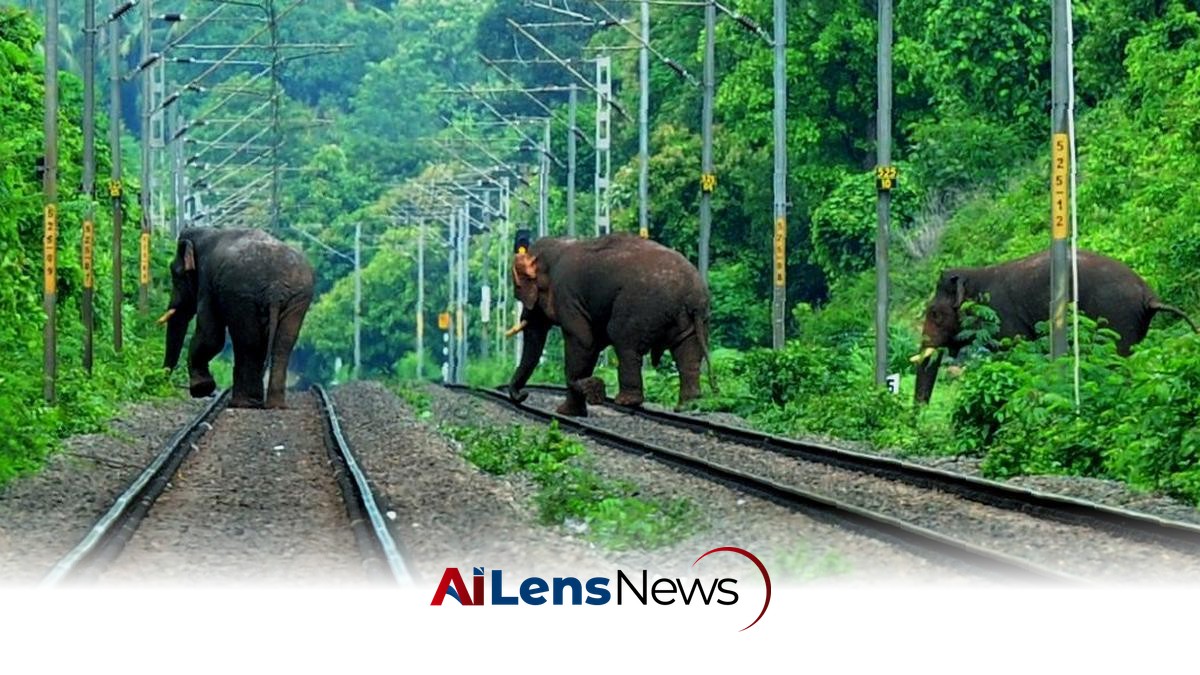


A wild elephant and its calf were fatally struck by a train near Walayar, disrupting train services for hours. Forest officials responded promptly to the scene.
Chennai, India Aug 13, 2026 ALN: A tragic incident on August 13, 2026, resulted in the loss of a wild elephant and its calf after they were struck by the Mangaluru-Chennai Superfast Express train near Puduppathy at Chavadippara, located on the Walayar-Palakkad forest stretch in Tamil Nadu. The accident occurred at approximately 12:30 a.m., marking a devastating event that not only claimed the lives of these majestic creatures but also highlighted ongoing issues regarding wildlife safety in areas where human infrastructure intersects with natural habitats.
The collision occurred on the Tamil Nadu side of the border, specifically in a region known for its rich biodiversity and the presence of various wildlife, including elephants. This area serves as a critical habitat for elephants, which are known to traverse long distances in search of food, water, and mates. Unfortunately, the encroachment of railways and roads into these habitats has led to an increasing number of wildlife fatalities, underscoring the urgent need for effective mitigation strategies.
In this particular incident, both the adult elephant and its calf became trapped under the locomotive, resulting in the disruption of train services for several hours. This delay not only affected the passengers traveling on the Mangaluru-Chennai route but also raised concerns about the safety of wildlife in areas adjacent to railway lines. Following the accident, forest officials and police, including personnel from the Walayar forest range, were dispatched to the scene to manage the situation. Their responsibilities included removing the carcasses of the elephants and clearing the tracks to restore normal train operations.
A veterinary team from Thrissur, comprising a veterinary surgeon, was also called to the site to conduct a post-mortem examination of the deceased elephants. Such examinations are critical in determining the cause of death and assessing the health of the wildlife population in the area. The presence of forest officials from Tamil Nadu further emphasizes the collaborative efforts required to address wildlife conservation issues in regions where state borders intersect.
This tragic incident is not an isolated case. In February of the same year, another elephant was killed after being struck by a train near Walayar, highlighting a troubling trend of wildlife fatalities due to rail traffic. These incidents raise important questions about the effectiveness of current measures in place to protect wildlife and the need for enhanced safety protocols on railway lines that run through or near wildlife habitats.
In response to the increasing number of such accidents, train operations on this particular stretch during nighttime hours have been adjusted to travel at reduced speeds. This precautionary measure is aimed at minimizing the risk of collisions with elephants and other wildlife that may be crossing the tracks. However, it also reflects a broader challenge faced by railway authorities and conservationists alike: how to balance the needs of human transportation with the imperative of wildlife protection.
The presence of elephants in this region is not only ecologically significant but also culturally important. Elephants play a vital role in maintaining the health of their ecosystems by facilitating seed dispersal and contributing to the biodiversity of the forest. Their decline due to human-wildlife conflict, habitat loss, and accidents such as this one poses a threat not only to the species itself but also to the ecological balance of the region.
Efforts to mitigate human-wildlife conflict in India have included the establishment of wildlife corridors, the installation of warning signs near railway crossings, and the implementation of monitoring systems to track elephant movements. However, these measures often require substantial investment and coordination among various stakeholders, including government agencies, local communities, and conservation organizations.
Moreover, public awareness campaigns aimed at educating train operators and passengers about the presence of wildlife in certain areas are essential. Such initiatives can foster a culture of caution and respect for wildlife, potentially reducing the risk of future accidents. Engaging local communities in conservation efforts is another critical aspect, as these communities often have valuable knowledge about wildlife behavior and can play a role in monitoring and protecting these animals.
The implications of this tragic accident extend beyond the immediate loss of life. It serves as a stark reminder of the ongoing challenges posed by urbanization and infrastructure development in areas that are home to diverse wildlife. The rapid expansion of human settlements and transportation networks often leads to habitat fragmentation, which can disrupt the migratory patterns and breeding habits of wildlife, particularly large mammals like elephants.
As human populations continue to expand and encroach upon natural habitats, the need for effective strategies to coexist with wildlife becomes increasingly urgent. The loss of these elephants is not merely a local issue but a reflection of a global crisis where wildlife is increasingly at risk due to human activity. The challenge lies in finding a balance that allows for the development of infrastructure while also ensuring the preservation of wildlife populations.
In conclusion, the loss of the wild elephant and its calf in Tamil Nadu is a heartbreaking event that underscores the complex relationship between human activity and wildlife conservation. It calls for a renewed commitment to developing and implementing comprehensive strategies that prioritize the safety of both wildlife and human travelers. As we move forward, it is imperative that we learn from such incidents to prevent future tragedies and ensure that wildlife can thrive alongside human development. This includes investing in better planning and design of infrastructure that takes into account the needs of wildlife, as well as promoting a greater understanding of the ecological roles that these animals play within their ecosystems.
To learn more about the latest developments in Environmental Policy, stay updated with our exclusive reports and analyses on AiLensNews.

