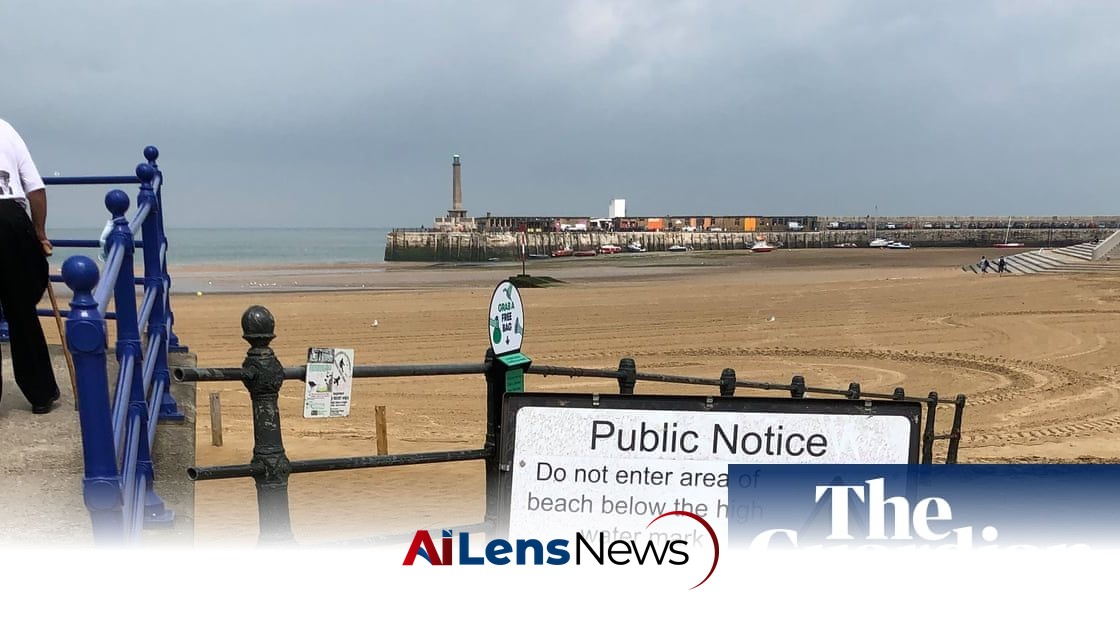


Southern Water has been fined £7.1 million for illegally discharging sewage into the sea off the Kent coast, with a history of repeated violations.
New Delhi, India Jul 17, 2026 ALN: Southern Water has been fined more than £7 million for illegally dumping sewage off the Kent coast between 2019 and 2021. The company pleaded guilty to 13 offences at Medway magistrates court last April, with the judge highlighting its "record of criminality" as a significant aggravating factor.
The offences included nine counts related to untreated sewage discharges into the sea, alongside three counts for failing to notify authorities promptly about these incidents. A final count was for not having a standby pump at the Margate wastewater station during a specified period, which violated the company's permit conditions.
The sentencing occurred at Canterbury crown court, where Mr. Justice Johnson imposed a total fine of £7,127,083. This follows a previous £90 million fine for nearly 7,000 incidents across Hampshire, Kent, and Sussex in a case brought by the Agency in 2021. The cumulative nature of these fines illustrates a troubling trend in the management of wastewater by Southern Water, raising concerns about the company's commitment to al stewardship and compliance with legal standards.
During the court proceedings, it was revealed that Southern Water had a history of serious failures. The judge noted that the company was aware of the importance of maintaining resilience systems and equipment at its sites, and it understood the consequences of equipment failure. Justice Johnson stated, "The harm was not confined to a single event, but arose from a pattern of repeated incidents over several years." He emphasized that the offences caused significant degradation of water quality and posed potential risks to public health, underscoring the need for stringent oversight in the water industry.
Southern Water's extensive history of noncompliance includes 174 previous convictions, with incidents occurring annually from 1999 to 2016. The judge pointed out that the company had repeatedly failed to invest sufficiently in infrastructure and maintain equipment properly. This lack of investment not only jeopardizes the but also undermines public trust in essential services.
On July 20, 2019, untreated sewage was discharged at the Margate site for nearly 22 hours before authorities were notified. In another incident on February 16, 2021, a computer control fault led to untreated sewage being dumped into the sea for nearly five hours, with authorities only alerted after the discharge had ended. These incidents resulted in significant pollution, with solid waste remaining in the sewage and debris washing up on local beaches. As a result, Thanet council closed 11 bathing waters for a week due to a high-profile pollution incident in June 2021. This closure not only affected local residents but also had implications for tourism and local businesses reliant on beachgoers and visitors.
A spokesperson for Southern Water expressed deep regret over the incidents, stating, "Pollution incidents like these are unacceptable, and we fully recognize the impact they can have on the communities we serve." This acknowledgment of wrongdoing is a crucial step, but it must be followed by tangible actions to restore public confidence and ensure compliance with al regulations.
The company has since implemented significant changes under new leadership and shareholders, aiming to improve its culture, governance, and operations. They emphasized their commitment to delivering improvements that will positively affect customers and the . This commitment to reform is essential in the wake of such serious violations, as stakeholders—including customers, regulators, and al groups—will be closely monitoring the company's progress.
Lindsay Faulkner, the manager for the Agency in Kent, criticized Southern Water for allowing repeated pollution incidents to occur. She stated that stronger oversight is necessary, reiterating that these preventable incidents should never have happened. "The Agency demands much more from Southern Water. Our inspections of sewage treatment sites will continue, and we are holding them accountable," Faulkner added. This statement reflects a broader concern about the regulatory framework governing water companies and the need for more stringent oversight to prevent future violations.
The case highlights the ongoing challenges faced by water companies in maintaining compliance with al regulations and the importance of robust infrastructure to prevent pollution incidents. As climate change intensifies and weather patterns become more unpredictable, water companies must adapt their systems to handle increased pressures on wastewater treatment facilities. This adaptation includes not only technological upgrades but also a cultural shift within organizations that prioritizes al responsibility.
Moreover, the implications of Southern Water's actions extend beyond the immediate al damage. The degradation of local ecosystems can have long-lasting effects on marine life, biodiversity, and public health. Polluted waters can lead to the closure of beaches and recreational areas, which in turn impacts local economies that depend on tourism and outdoor activities.
In light of these events, there is a growing call for increased transparency in the operations of water companies. Stakeholders—including local communities, al organizations, and government agencies—are advocating for better communication regarding sewage discharges and the measures being taken to rectify existing issues. The public's right to know about potential al hazards is fundamental, and companies must prioritize open dialogue with the communities they serve.
As Southern Water navigates its path forward, it will be essential for the company to engage with stakeholders to rebuild trust and demonstrate a genuine commitment to al stewardship. This engagement could take the form of community forums, regular updates on infrastructure improvements, and collaborative efforts with al organizations to monitor water quality.
In conclusion, the substantial fine imposed on Southern Water serves as a stark reminder of the responsibilities that water companies bear in safeguarding public health and the . It highlights the critical need for robust regulatory frameworks and the importance of corporate accountability in ensuring that such violations do not recur. The future of water management in the UK hinges on the ability of companies like Southern Water to learn from past mistakes and implement effective solutions that prioritize sustainability and community well-being.
To learn more about the latest developments in Pollution & Waste, stay updated with our exclusive reports and analyses on AiLensNews.

