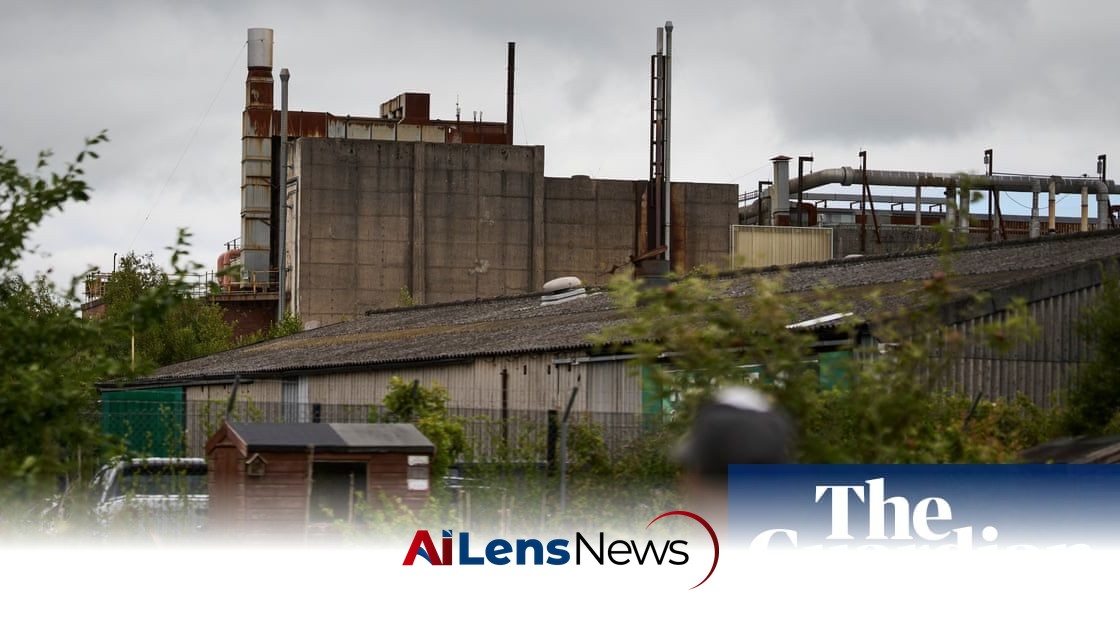


A growing scandal in Thornton-Cleveleys reveals health risks linked to PFOA emissions from a local chemical factory, raising concerns among residents.
New Delhi, India Jul 17, 2026 ALN: Residents within a kilometre of the AGC Chemicals Europe factory in Thornton-Cleveleys, located in the north of England, are at the heart of a burgeoning national scandal concerning health risks associated with PFOA emissions. This carcinogenic substance, often referred to as a 'forever chemical' due to its persistence in the , has raised alarms among the local community. The term "forever chemicals" refers to a group of man-made substances known as per- and polyfluoroalkyl substances (PFAS), which are resistant to degradation and can accumulate in the and human body over time, leading to potential health risks.
In 2024, the UK Agency, along with local authorities, launched an investigation into the historical emissions of PFOA from the factory. This investigation was prompted by international research linking PFOA exposure to kidney cancer, among other health issues. Following the testing, residents were advised to wash and peel homegrown produce and to avoid consuming locally produced eggs, emphasizing the potential for contamination in everyday food sources. Additionally, two allotment sites near the factory have been closed as a precautionary measure, reflecting the serious nature of the findings and the community's growing concern for food safety.
In a significant development, AGC Chemicals Europe announced plans to close the Thornton-Cleveleys plant, citing “significant financial and operational challenges.” This closure has left residents grappling with serious questions about their health and the potential costs of any necessary cleanup. The financial implications of such closures can be profound, not only for the employees of the factory but also for the local economy, which may rely on the jobs and services provided by the plant.
The community's anxiety is palpable, particularly among those who have experienced health issues. Liz Hurst, a local resident diagnosed with kidney cancer 15 years ago, expressed her concerns about the factory's proximity to her home. “Everything I had wanted was finally coming to fruition. But then, all of a sudden, everything was put on hold,” she shared, highlighting the emotional toll of her diagnosis. Her story is not unique; many residents are now questioning the long-term health impacts of living near the AGC facility and whether their health issues may be linked to the emissions from the factory.
Between the 1950s and 2012, the AGC facility emitted approximately 49 tonnes of PFOA. This chemical is a type of perfluorinated carboxylic acid, which has been linked to various health issues, including cancer, liver damage, and developmental problems in children. Despite the alarming rates of kidney cancer reported in the vicinity, a government study found no evidence of a cancer cluster, leaving many residents frustrated and seeking answers. The lack of a definitive link between emissions and health outcomes has fueled skepticism among the community regarding the effectiveness of regulatory oversight and public health protections.
The situation in Thornton-Cleveleys echoes similar stories of chemical contamination, notably the case highlighted in the 2019 film Dark Waters, which depicted the legal battles against DuPont over PFOA contamination in the United States. Since that case, litigation regarding PFOA has surged across the U.S., with manufacturers facing billions in settlements. However, similar legal actions have yet to gain momentum in Europe, although pressure is mounting. The landscape of al litigation in Europe is evolving, and residents are increasingly empowered to seek justice for health impacts attributed to industrial pollution.
Recently, the al law organization ClientEarth lodged a complaint with the European Committee of Social Rights, alleging Belgium's failure to protect citizens from widespread PFOA pollution. This highlights a broader trend of legal advocacy in response to al health risks. In the UK, the law firm Leigh Day is investigating potential claims on behalf of residents affected by PFOA contamination, including Sam Hammond, whose pet duck eggs were found to be heavily contaminated. These legal efforts represent a significant step towards holding corporations accountable for al health risks and ensuring that affected communities receive justice.
As the investigation unfolds, more than 90 residents have expressed interest in participating in potential legal actions, with 50 individuals already undergoing blood tests to assess their exposure levels. This proactive approach reflects a growing awareness of the health risks associated with PFOA and similar chemicals. AGC Chemicals Europe has stated its commitment to regulatory compliance and community safety, but many residents remain skeptical about the company's intentions. The trust between the community and the corporation has been severely damaged, and rebuilding that trust will be a significant challenge moving forward.
The issue of PFOA pollution is not confined to Thornton-Cleveleys; it is a growing concern across the UK and Europe. More than 17,000 contaminated sites have been identified, indicating that many communities may be unknowingly living in PFOA hotspots. As awareness of these persistent chemicals increases, the questions raised by residents in Thornton-Cleveleys are likely to resonate in other communities facing similar challenges. The implications of PFOA contamination extend beyond individual health concerns; they encompass broader issues of al justice, corporate accountability, and the need for stringent regulatory frameworks.
In conclusion, the situation in Thornton-Cleveleys serves as a stark reminder of the potential health risks posed by industrial pollution. As investigations continue and legal actions are considered, the community's fight for answers and accountability highlights the urgent need for comprehensive policies to protect public health. The case underscores the importance of robust al regulations, transparent communication from corporations, and proactive measures to safeguard communities from the impacts of hazardous substances. The residents of Thornton-Cleveleys are not only advocating for their own health and safety but are also contributing to a larger movement demanding accountability and change in the face of industrial pollution.
To learn more about the latest developments in Pollution & Waste, stay updated with our exclusive reports and analyses on AiLensNews.

