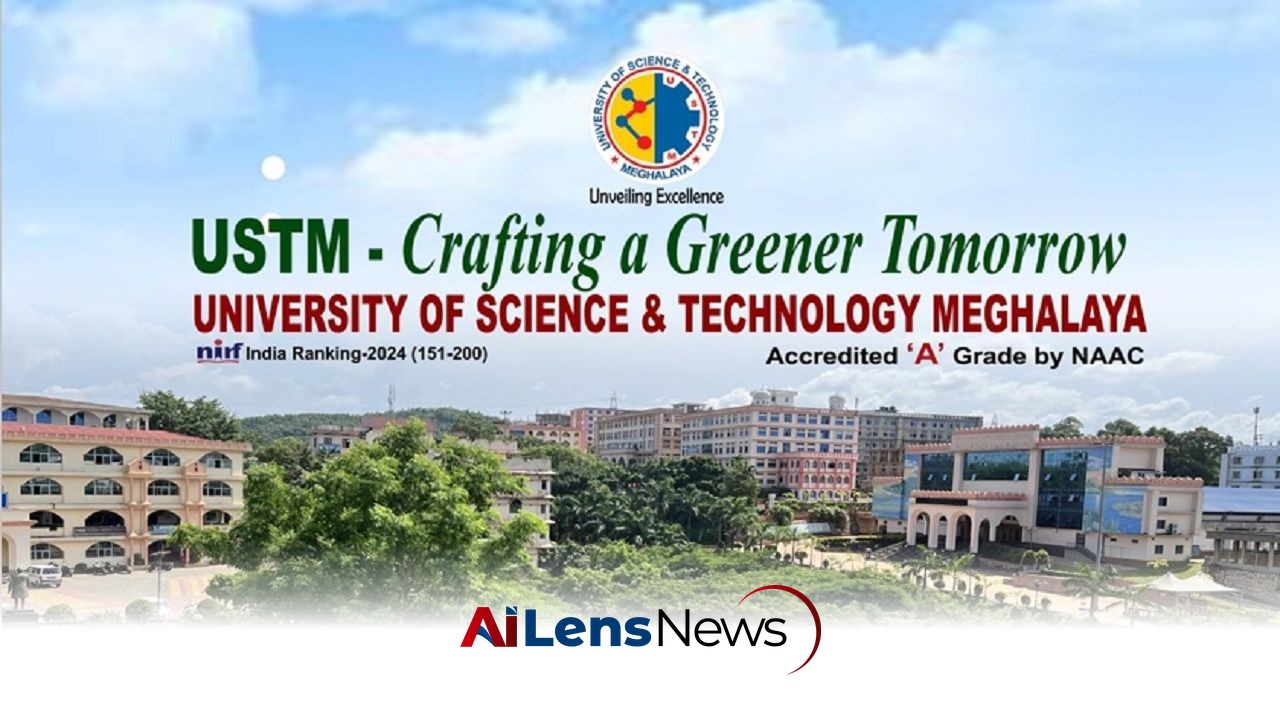


The University of Science & Technology (USTM) has unveiled a detailed Action Taken Report showcasing its commitment to environmental sustainability through various green initiatives.
Shillong, India Jul 15, 2026 ALN: The University of Science & Technology (USTM) has released a comprehensive Action Taken Report detailing the measures it has implemented to develop and maintain its campus as a Green Campus, with a strong emphasis on soil conservation, water management, and environmental sustainability.
In recent years, there has been a growing recognition of the importance of sustainable practices in educational institutions. As climate change poses significant challenges globally, universities are increasingly adopting green initiatives to reduce their carbon footprint and promote environmental stewardship. USTM's report is a reflection of this trend, showcasing how educational institutions can play a pivotal role in fostering environmental awareness and sustainability.
According to the report, the University has adopted an integrated approach to rainwater management, ensuring that infrastructure development is aligned with ecological protection. Given the region’s high annual rainfall, USTM has developed a campus-wide drainage network that channels rainwater into natural ponds instead of allowing it to flow out unchecked. This innovative system is particularly crucial in , known for its heavy monsoon rains, which can lead to severe soil erosion and waterlogging if not managed properly. The University said the system helps reduce soil erosion while conserving water resources, effectively addressing the dual challenges of flood management and water scarcity.
The report states that the campus has four interconnected natural ponds linked through a network of drainage channels. Rainwater collected from various parts of the campus is directed into these ponds for storage and reuse. The establishment of these ponds not only serves as a reservoir for rainwater but also enhances biodiversity by creating habitats for local wildlife. According to USTM, nearly 70 percent of the surface runoff is retained and utilized within the campus, while the remaining 30 percent is discharged through a scientifically designed drainage system, ensuring that water is not wasted and is instead harnessed for sustainable use.
To promote groundwater recharge, the University has installed permeable pavements and rainwater storage tanks that allow water to seep naturally into the ground. This is particularly important in urban areas where impervious surfaces can lead to increased runoff and decreased groundwater levels. Rainwater harvesting systems have also been set up in hostels, academic buildings, and administrative blocks to collect and reuse rainwater for various campus needs, thus reducing reliance on municipal water sources and promoting self-sufficiency.
The report further highlights the development of an extensive drainage infrastructure comprising roadside drains, field drains, park drains, building drains, and hillside drains, all integrated into a unified drainage network. This comprehensive system facilitates efficient stormwater flow, minimizes waterlogging, and significantly reduces soil erosion. By managing stormwater effectively, USTM not only protects its infrastructure but also contributes to the overall health of the local ecosystem.
As part of its soil conservation efforts, the University has undertaken large-scale plantation of grasses and ornamental plants, developed terraced slopes, constructed retaining walls, and carried out extensive greening of hilly areas. These measures, according to the report, help stabilize the soil and slow the flow of rainwater across the campus. The choice of native plant species for these plantations is crucial, as they are better adapted to local conditions and require less maintenance and water compared to exotic species.
USTM has also established a wastewater treatment system under which wastewater generated from laboratories, hostels, and other campus facilities is treated before being discharged or reused. This initiative is aimed at reducing environmental pollution while promoting sustainable water reuse. By treating wastewater, the University not only mitigates the risk of contamination but also demonstrates a commitment to circular economy principles, where waste is minimized and resources are reused.
In addition, the report highlights continuous afforestation drives, the maintenance of parks and green zones, and the construction of retaining walls in erosion-prone areas as part of the University’s broader environmental conservation strategy. These initiatives contribute to carbon sequestration, enhance local biodiversity, and improve the overall aesthetic of the campus, creating a more pleasant environment for students and staff alike.
Through these initiatives, USTM said it remains committed to its vision of creating a Green Campus that promotes ecological conservation, responsible resource management, and sustainable development. The University’s efforts align with global sustainability goals, including the United Nations Sustainable Development Goals (SDGs), particularly those related to clean water and sanitation, sustainable cities and communities, and climate action.
As educational institutions increasingly become centers for research and innovation in sustainability, USTM's report serves as a model for other universities looking to implement similar initiatives. The proactive measures taken by USTM not only help in mitigating environmental challenges but also serve as a learning platform for students, equipping them with the knowledge and skills necessary to address pressing global issues.
Furthermore, the implications of USTM's green initiatives extend beyond the campus. By fostering a culture of sustainability, the University can inspire local communities to adopt similar practices, thereby amplifying the impact of its efforts. Community engagement, education, and outreach programs could be developed to further promote environmental awareness and action beyond the university grounds.
In conclusion, USTM's comprehensive Action Taken Report exemplifies the potential of higher education institutions to lead in the realm of environmental sustainability. As the university continues to implement and expand its green initiatives, it not only enhances its own ecological footprint but also contributes to the broader movement towards a more sustainable future.
To learn more about the latest developments in Sustainable Development, stay updated with our exclusive reports and analyses on AiLensNews.

