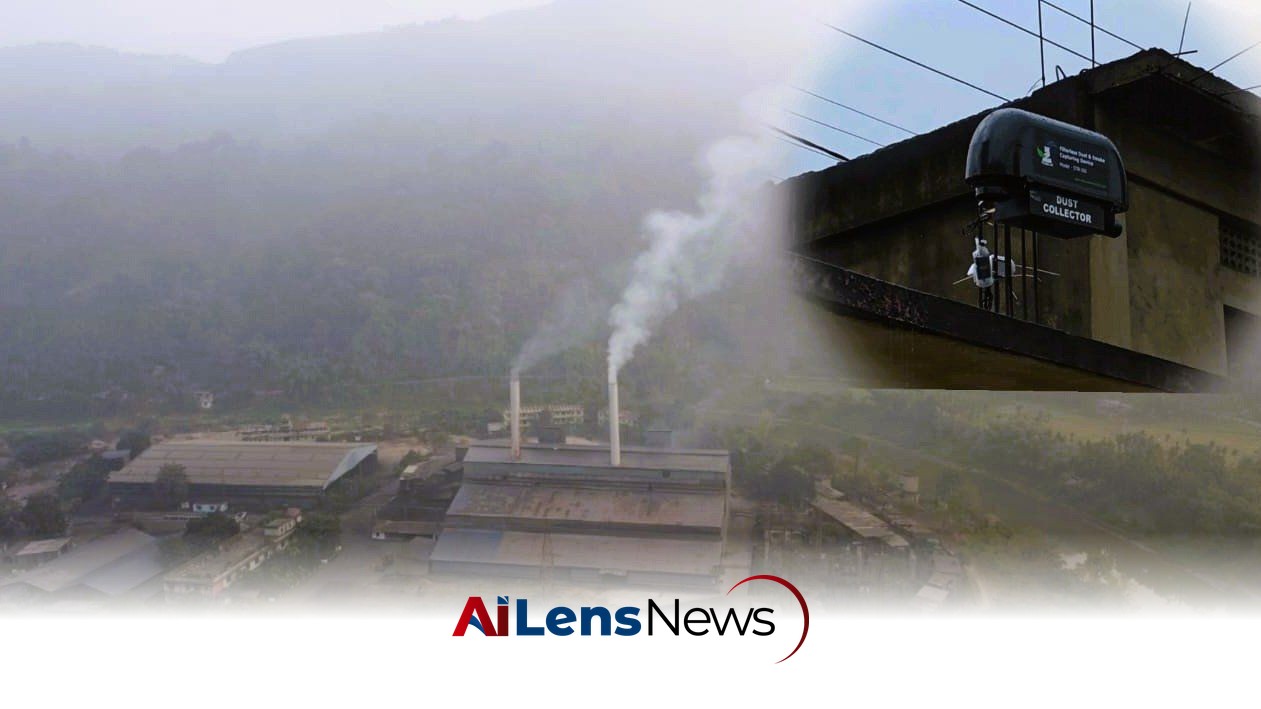


The State Pollution Control Board initiates a trial of solar-powered air purifiers in Byrnihat, aiming to improve air quality amid rising pollution levels.
Shillong, India Jul 30, 2026 ALN: The State Pollution Control Board (MSPCB) on Wednesday began a two-day trial of air purifiers installed at two locations in Byrnihat to tackle worsening pollution in the industrial town. Byrnihat, located in the Ri Bhoi district of , has been facing increasing environmental challenges, primarily due to its rapid industrialization and the resultant pollution. The introduction of air purifiers marks a significant step towards addressing these issues, which have been a growing concern for both residents and local authorities.
The proposed system is the WARO C6, developed by Mumbai-based Zero Carbon Tech24 Pvt. Ltd. This innovative, solar-powered machine is designed to draw in polluted ambient air, filter it, and release up to 30 litres of clean air per second. The technology behind the WARO C6 represents a modern approach to air purification, utilizing renewable energy sources to mitigate pollution without adding to the environmental burden typically associated with industrial processes. Such initiatives are crucial in a time when climate change and air quality have become pressing global issues.
MSPCB officials reported that the trial showed a noticeable drop in pollution levels in the immediate areas surrounding the purifiers, indicating the potential for these machines to significantly improve ambient air quality. This initial success is encouraging, as it suggests that similar technologies could be employed in other polluted areas across the state and country. The effectiveness of air purification systems can vary based on numerous factors, including local environmental conditions, the scale of implementation, and the specific pollutants present in the air.
Cabinet Minister and Jirang MLA Sosthenes Sohtun, after a review meeting, stated that the government proposes installing the advanced air purification machines in Byrnihat as a pilot project. He emphasized that the WARO C6 would serve as an additional measure to improve local air quality, particularly to address vehicular emissions, while industries would still be required to meet all existing pollution control norms. This dual approach recognizes that while technology can provide immediate relief, it is essential for industries to adhere to stringent regulations to ensure long-term sustainability and health for the community.
“If approved, this will be introduced as a pilot in Byrnihat,” Sohtun said. He clarified that the machines would supplement, not replace, existing regulations. This statement underscores the government's commitment to a comprehensive strategy for pollution management, balancing technological innovation with regulatory oversight. The integration of advanced air purification technologies into existing frameworks can enhance the overall effectiveness of pollution control efforts.
MSPCB Member Secretary George H Chyrmang noted that the results from the trial were encouraging. He pointed out that while industrial emissions are regulated, vehicular pollution remains a major challenge that the purifiers could help address. Byrnihat, with its growing number of vehicles and industrial activities, has seen a significant rise in particulate matter and other harmful pollutants in the air. Addressing vehicular emissions is particularly critical, as they contribute substantially to urban air pollution and pose serious health risks to the population.
Byrnihat was ranked among India’s most polluted towns in 2024, but Chyrmang mentioned that pollution levels have improved due to stricter monitoring and enforcement of regulations. This improvement reflects the effectiveness of proactive measures taken by the MSPCB and local authorities, highlighting the importance of ongoing vigilance and community engagement in environmental protection efforts. Continuous monitoring and public awareness are essential components of any successful pollution management strategy.
Sohtun added that pollution sources also lie across the border in Assam, and tackling it requires both technology and public awareness. He acknowledged that pollution is not confined by state borders, and cooperative efforts with neighboring regions are necessary to achieve meaningful reductions in air quality issues. Collaborative initiatives and cross-border dialogues can lead to more comprehensive solutions and foster a shared responsibility towards environmental stewardship.
The minister also announced government approval for a regional office of the pollution board in Byrnihat. Currently, officials travel from Shillong for inspections, which can lead to delays in addressing pollution complaints and enforcing regulations. The establishment of a local office is expected to enable faster responses to complaints and strengthen enforcement in the Byrnihat industrial belt. This move demonstrates the government's commitment to improving environmental governance and increasing the efficiency of pollution control measures.
The implications of these developments are significant, not only for Byrnihat but also for other industrial towns facing similar challenges. The pilot project could serve as a model for other regions looking to implement advanced air purification technologies. By demonstrating the effectiveness of such systems in improving air quality, the MSPCB may pave the way for broader adoption of similar initiatives across the state and beyond.
Furthermore, the focus on public awareness and community engagement is critical. Educating residents about pollution sources, health implications, and the importance of compliance with regulations can empower communities to take an active role in environmental protection. Initiatives that involve community participation can lead to more sustainable practices and foster a culture of environmental responsibility.
In conclusion, the trial of air purifiers in Byrnihat represents a proactive step towards addressing the pressing issue of air pollution in the region. As the government evaluates the success of the WARO C6 system, it will be crucial to consider both the technological and regulatory aspects of pollution control. The outcomes of this pilot project could have far-reaching implications for air quality management in industrial towns across India, highlighting the importance of innovation, regulation, and community engagement in the fight against pollution.
To learn more about the latest developments in Pollution & Waste, stay updated with our exclusive reports and analyses on AiLensNews.

