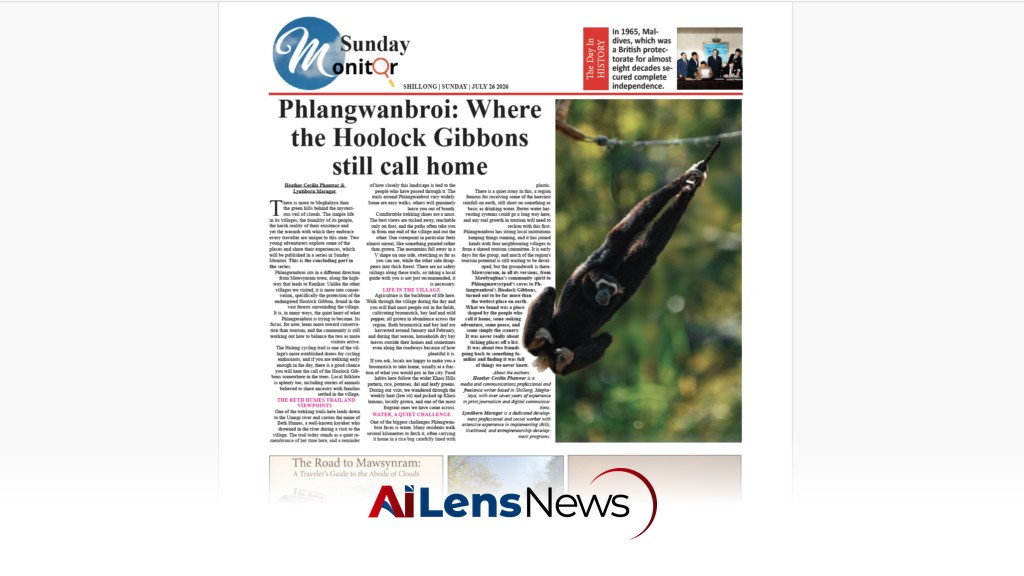


Discover the unique habitat of the Hoolock Gibbons in Phlangwanbroi, a region rich in biodiversity and cultural heritage.
Shillong, India Jul 26, 2026 ALN: Phlangwanbroi, a serene village nestled in the lush landscapes of northeastern India, is not just a picturesque locale; it is a sanctuary for the endangered Hoolock Gibbons. Known for their distinctive calls and playful nature, these primates are a vital part of the region's ecosystem. The village, surrounded by dense forests, serves as a crucial habitat for these gibbons, which are the only ape species found in India. The presence of such unique wildlife draws the attention of conservationists and nature enthusiasts alike, highlighting the need for ongoing efforts to protect these remarkable creatures.
The Hoolock Gibbons, belonging to the family Hylobatidae, are characterized by their long arms and ability to swing gracefully through the trees. They are known for their acrobatic skills and vocalizations, which can be heard echoing through the forests. These gibbons play a significant role in seed dispersal, contributing to the health of their habitat. Their presence is a testament to the rich biodiversity that this region offers. Gibbons are social animals, often found in small family groups, and their interactions can be a fascinating sight for visitors. Their unique calls, which vary between species, are not just a means of communication but also serve to establish territory and strengthen social bonds.
The Hoolock Gibbons are divided into two primary species: the Western Hoolock Gibbon and the Eastern Hoolock Gibbon. Both species are distinguished by their physical characteristics, including the color of their fur and the patterns of their vocalizations. These gibbons inhabit tropical and subtropical forests, primarily in India, Bangladesh, and Myanmar. However, their populations have been declining due to habitat loss, poaching, and human encroachment. As such, they are classified as endangered by the International Union for Conservation of Nature (IUCN).
In addition to their ecological role, Hoolock Gibbons hold cultural significance in local communities. Many indigenous tribes view them as symbols of the forest and incorporate them into their folklore and traditions. This cultural connection further emphasizes the importance of conserving their habitat, as it is intertwined with the identity and heritage of the local people. The gibbons are often featured in local myths and stories, which serve to educate younger generations about the importance of wildlife and the need for conservation.
Local NGOs and government bodies have initiated various programs aimed at protecting the Hoolock Gibbons and their habitat. Awareness campaigns and eco-tourism initiatives have been introduced to educate visitors about the importance of conservation. These efforts are crucial in fostering a sense of responsibility and stewardship among local communities and visitors alike.
For those interested in experiencing the beauty of Phlangwanbroi, various trekking routes offer breathtaking views of the surrounding landscapes. Visitors can also engage with local cultures and learn about traditional practices that coexist with nature. Trekking through the dense forests, one may encounter a variety of flora and fauna, making each journey a unique experience. The trails are often lined with vibrant wildflowers and towering trees, creating a stunning backdrop for nature lovers and photographers alike.
As you explore the trails, keep an ear out for the gibbons' calls, a reminder of the vibrant life that thrives in this unique ecosystem. Guided tours led by local experts provide insight into the ecological significance of the area, as well as the challenges faced by the gibbons and their habitat. Such interactions not only enrich the visitor's experience but also promote awareness about the importance of conservation. Tourists are encouraged to respect local customs and practices, contributing to a sustainable tourism model that benefits both the environment and the community.
Phlangwanbroi is not just a destination; it is a journey into the heart of nature, where every visit contributes to the preservation of its rich biodiversity. The village is also a place for reflection, where the balance between human activity and wildlife conservation can be observed and appreciated. Visitors often leave with a deeper understanding of the interconnectedness of all life forms and the importance of protecting such fragile ecosystems.
In conclusion, Phlangwanbroi stands as a beacon of hope for conservation efforts, showcasing the harmonious relationship between nature and local communities. The Hoolock Gibbons, with their playful antics and vital ecological role, remind us of the importance of protecting our natural heritage for future generations. The ongoing conservation initiatives in Phlangwanbroi not only serve to protect these remarkable primates but also foster a deeper connection between people and the environment, ensuring that the beauty and biodiversity of this region are preserved for years to come. As the world faces increasing environmental challenges, the lessons learned from Phlangwanbroi and its conservation efforts can serve as a model for other regions striving to balance development with ecological preservation.
To learn more about the latest developments in Conservation, stay updated with our exclusive reports and analyses on AiLensNews.

