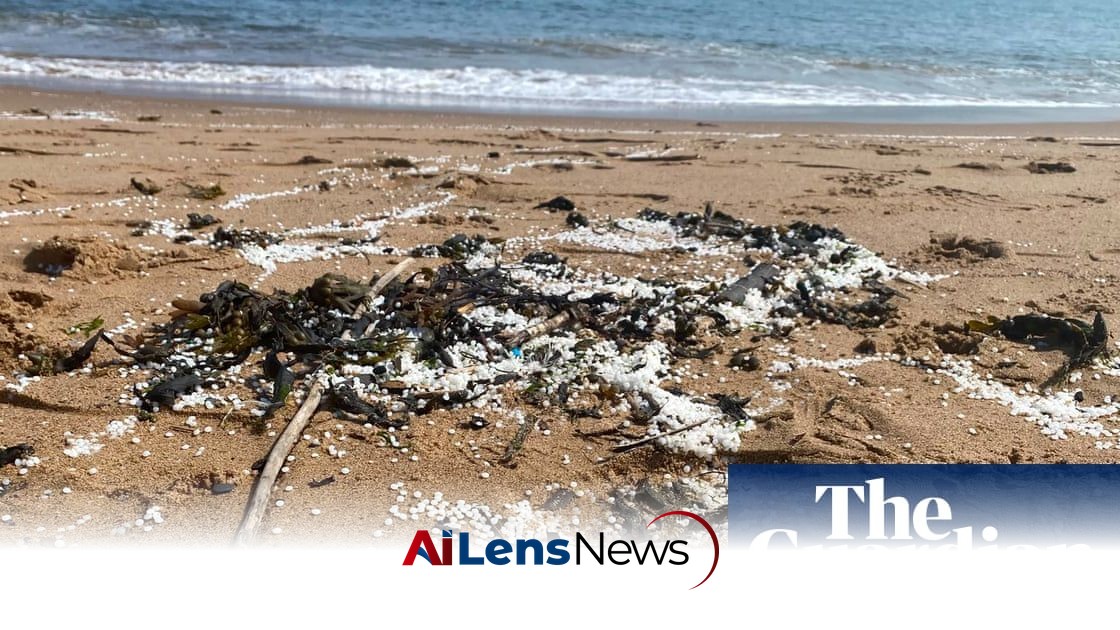


A catastrophic spill has released approximately one billion plastic nurdles into the River Tyne, raising al concerns and prompting local authorities to act.
New Delhi, India Jul 22, 2026 ALN: Approximately a billion tiny plastic nurdles have entered the River Tyne after a devastating spill, with the pellets believed to have spread much further than initially anticipated. Nurdles, which are typically 1mm to 5mm in size, serve as the raw material for the manufacture of most plastic products, including packaging, containers, and various consumer goods. This incident highlights not only the al risks associated with plastic pollution but also the broader implications for marine life and local communities.
The spill occurred on a Sunday when the Wind Orca ship collided with the berthed container ship BG Orange at the Port of Tyne. This collision resulted in damage to a dockside crane and injured one person, underscoring the potential hazards of maritime operations in busy ports. The impact of the collision led to the release of up to 25 tonnes of nurdles—approximately one billion pellets, according to the charity Fidra. Such a significant quantity of plastic entering the waterway raises immediate concerns about the al consequences and the challenges of cleanup efforts.
Following the discovery of nurdles washed up on South Shields beach, the local council has advised residents to avoid handling the pellets and to keep dogs on leads. While the pellets themselves are not toxic, their presence in the poses significant risks. Once in the water, nurdles are nearly impossible to remove and can absorb harmful toxins from the surrounding water, potentially entering the food chain and affecting various forms of marine life. The ecological implications of this spill could be severe, as nurdles can persist in the for many years, contributing to the growing problem of microplastic pollution.
Animals often mistake nurdles for food, leading to their ingestion. These pellets have been found in the stomachs and digestive tracts of various species, including seabirds in the North Sea and Australia, as well as green turtles and fish off the coast of Brazil. The ingestion of nurdles can lead to physical harm, malnutrition, and even death in wildlife, compounding the ecological crisis already facing marine ecosystems. The impact of such pollution is not limited to the immediate vicinity of the spill but can have far-reaching consequences for biodiversity and ecosystem health.
The spill occurred less than three miles (4.8 km) from Marsden Bay, which is home to one of England’s most important seabird colonies. This proximity raises additional concerns about the impact on local wildlife, particularly as seabirds are known to forage in the area. Local resident Alistair Leadbetter expressed his shock at the extent of the spill, noting that the beach was covered with nurdles and children were playing among them. Such a situation not only poses health risks to humans but also highlights the need for greater awareness and preventive measures regarding plastic pollution.
Once lost to the , nurdles can be washed, swept, or blown over vast distances, accumulating on beaches worldwide. Last year, Fidra reported finding plastic nurdles at 84% of UK sites of special scientific interest. Their nurdle map, which tracks global nurdle pollution, indicates that the pellets may have already spread significantly further, with sightings reported as far south as Sunderland, about seven miles from South Shields. This widespread dispersal demonstrates the challenges involved in managing plastic waste and the urgent need for effective regulatory frameworks to prevent such incidents from occurring in the future.
The HM Coastguard is currently supporting local authorities in responding to the pollution along the North Tyneside coastline, including areas like Tynemouth Longsands, Cullercoats, and King Edward’s Bay. The involvement of the Coastguard illustrates the seriousness of the situation and the collaborative effort required to address the al crisis. Cleanup operations will likely involve a combination of local volunteers, al organizations, and government agencies working together to mitigate the impact of the spill.
Heather McFarlane, senior project manager at Fidra, described the spill as devastating, emphasizing that most pellet pollution can be prevented through simple measures such as improved packaging and safer stowage practices. She stated, “We urgently need stronger UK regulation to prevent pollution on land and mandatory measures at sea to stop spills like this in the future.” Her comments reflect a growing consensus among al advocates that proactive measures are essential to combat the pervasive issue of plastic pollution.
A spokesperson for South Tyneside council mentioned that they are assessing the extent of the contamination and are supporting efforts to remove pellets from affected areas where feasible. The council plans to recover the cleanup costs from the insurers of those responsible for the spill, which may involve complex legal proceedings. The financial implications of such al disasters can be significant, affecting not only the responsible parties but also local economies reliant on tourism and fishing.
An agency spokesperson confirmed that their officers are collaborating with local authorities and other partners, providing expert advice to assist in the early stages of the cleanup operation. The council has reached out to the Port of Tyne and the owners of the Wind Orca for comments regarding the incident. The investigation into the circumstances surrounding the collision will be crucial in determining liability and ensuring that appropriate measures are put in place to prevent future occurrences.
The River Tyne, like many waterways around the world, faces ongoing challenges related to pollution and al degradation. Incidents like the nurdle spill serve as stark reminders of the fragility of marine ecosystems and the need for concerted efforts to protect them. As public awareness of plastic pollution grows, there is an increasing demand for systemic changes in how plastic is produced, used, and disposed of. This incident may catalyze discussions among policymakers, industry leaders, and al advocates regarding the urgent need for comprehensive strategies to combat plastic pollution at both local and global levels.
To learn more about the latest developments in Pollution & Waste, stay updated with our exclusive reports and analyses on AiLensNews.

