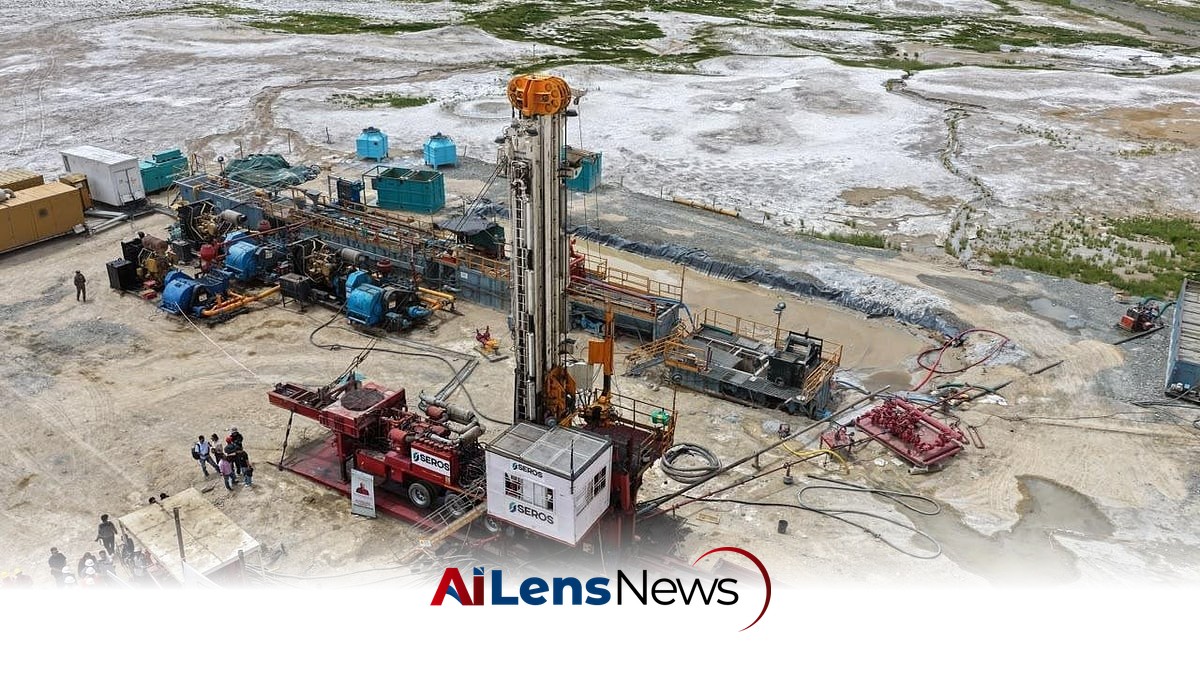


India has launched its first and deepest geothermal wells in Ladakh, marking a significant step towards clean energy and carbon neutrality.
New Delhi, India Jul 18, 2026 ALN: In a significant advancement for India's clean energy objectives, the country has officially commissioned its first and deepest geothermal wells located in the Puga Valley of the Union Territory of Ladakh. This milestone was celebrated on a recent Friday, marking a pivotal moment in the nation’s commitment to renewable energy sources.
The commissioning of these two geothermal wells was executed by the ONGC Energy Centre and officiated by Ladakh's Lieutenant Governor, VK Saxena. This initiative is crucial for the establishment of a 1 MW pilot geothermal power project in Puga, which will stand as India's first demonstration-scale geothermal power venture.
Significance of the Project
The commissioning of the two wells, each reaching a depth of 1000 meters at an altitude exceeding 14,000 feet, is anticipated to greatly enhance Ladakh's trajectory towards becoming a clean energy hub. This ambition aligns with the vision articulated by Prime Minister Narendra Modi, who has consistently advocated for the expansion of renewable energy sources throughout the nation. Saxena commented on the importance of this project, emphasizing its role in advancing India's clean energy mission.
However, the geothermal power project faced substantial delays due to the expiration of a tripartite Memorandum of Understanding (MoU) that had previously been established between the Ladakh Administration, the Ladakh Autonomous Hill Development Council (LAHDC), Leh, and the ONGC Energy Centre. This lapse resulted in a halt to operations for several months, stalling progress on the geothermal initiative.
In recognition of the strategic importance of geothermal energy for bolstering India's energy security and facilitating the transition to cleaner energy sources, Saxena played a pivotal role in renewing the MoU for an additional five years in June. This renewal was instrumental in resuming work on the two geothermal wells, which are now critical for evaluating the geothermal reservoir, planning the power plant, and ultimately advancing the commercial development of geothermal resources in the region.
Temperature Records and Future Prospects
Engineers involved in the project have reported a maximum recorded temperature of 135°C at depth. They are optimistic that ongoing testing may yield even higher readings, which would be essential for operational viability of the 1 MW pilot geothermal power and broader commercial utilization of energy in the area.
The geothermal project is being developed in one of the most challenging environments globally, characterized by extreme weather conditions, rugged topography, and a limited annual working season. Despite these challenges, project officials have successfully drilled the first well to its target depth of 1,000 meters, achieving this feat on May 22, 2026. The second well was initiated on June 3 and was completed to the same depth within a month, demonstrating the efficacy and determination of the team involved.
A Historic Milestone
Saxena has heralded the commissioning of the geothermal wells as a historic milestone in India’s journey toward clean energy and a defining moment for Ladakh’s transition to a carbon-neutral future. He articulated that this geothermal power initiative would serve as a catalyst for comprehensive development in Ladakh. Beyond its scientific and technological implications, this project is expected to enhance energy security, promote environmental sustainability, and contribute to the socio-economic development of the region.
Furthermore, Saxena highlighted that the achievements realized in the Puga Valley could serve as a model for India’s broader net-zero ambitions, significantly contributing to the goal of making Ladakh a carbon-neutral and environmentally sustainable region. He praised the capabilities of Indian engineers and technicians, asserting that they are among the best globally and capable of executing some of the most complex engineering projects, which symbolizes India's burgeoning reputation in the international engineering landscape.
The implications of this project extend far beyond the immediate benefits of renewable energy. By harnessing geothermal energy, Ladakh could reduce its reliance on fossil fuels, which are often imported and can be subject to volatile pricing. The successful implementation of the geothermal project could also inspire similar initiatives in other parts of India, fostering a culture of innovation and sustainability in energy production.
Moreover, the development of geothermal resources could lead to job creation in the region, providing local communities with employment opportunities and enhancing their economic prospects. As the project progresses, it may also attract investment and expertise from various sectors, further stimulating the local economy.
In addition to economic benefits, the geothermal power project holds significant potential for environmental advantages. By contributing to a reduction in greenhouse gas emissions, the project aligns with global efforts to combat climate change and underscores India's commitment to international environmental agreements. The focus on renewable energy sources like geothermal power is crucial for achieving the targets set in the Paris Agreement and for fulfilling India’s commitments to sustainable development.
Geothermal energy, which is derived from the Earth's internal heat, has been recognized globally as a reliable and sustainable energy source. It poses several advantages over traditional energy sources, including lower emissions and a smaller land footprint. The successful development of geothermal resources in Ladakh could set a precedent for other states in India with similar geothermal potential, such as Uttarakhand and Himachal Pradesh.
In conclusion, the commissioning of the geothermal wells in Puga Valley marks a transformative step in India's clean energy journey, showcasing the potential of geothermal energy as a sustainable and reliable energy source. As the project unfolds, it will be closely monitored for its outcomes and impact, which could shape the future of energy production not only in Ladakh but throughout India, paving the way for a cleaner, greener, and more sustainable energy landscape.
To learn more about the latest developments in Renewable Energy, stay updated with our exclusive reports and analyses on AiLensNews.

