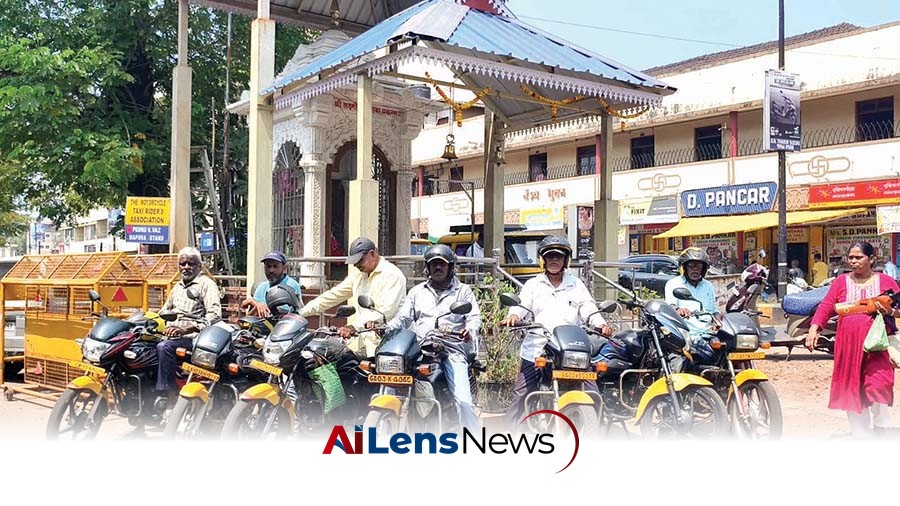


Chief Minister Pramod Sawant announces a new scheme to provide a 50% subsidy on electric vehicles for motorcycle pilots and auto-rickshaw operators in Goa.
Panaji, India Jul 18, 2026 ALN: Panaji: Chief Minister Pramod Sawant on Friday announced a new scheme aimed at promoting electric vehicles in Goa, which will offer a 50% subsidy for licensed motorcycle pilots and auto-rickshaw operators.
“The Department of New and Renewable Energy (DNRE) has been directed to formulate a comprehensive scheme providing up to 50% subsidy for the purchase of electric vehicles by licensed motorcycle pilots and auto-rickshaw operators to accelerate Goa’s transition to clean mobility,” said Sawant.
The announcement was made during a meeting focused on Fuel Management and Sustainable Transport Strategy, chaired by Sawant at his official residence in Altinho. The meeting underscored the growing need for sustainable transport solutions in the state, especially in light of increasing concerns about pollution and climate change. Goa, known for its scenic beauty and tourism, has been facing challenges related to vehicular emissions, which have prompted the government to take decisive steps towards cleaner alternatives.
In addition to the subsidy scheme, several other key decisions were taken under the State Energy Transition Plan. Sawant emphasized the need for a policy to phase out diesel generator (DG) sets in industrial and commercial establishments, replacing them with cleaner alternatives such as Battery Energy Storage Systems (BESS), solar photovoltaic systems with battery storage, and gas-based systems wherever feasible. This move is significant considering the heavy reliance on diesel generators in various sectors, which has been a major contributor to air pollution in urban areas of Goa.
“Around 10-year-old Kadamba diesel buses will be retrofitted with CNG engines,” he added, highlighting the government's commitment to cleaner transportation. The Kadamba Transport Corporation, which operates public bus services in Goa, has faced criticism for the age and emissions of its fleet. Retrofitting these buses is seen as a practical step to reduce emissions while still maintaining public transport services.
The proposed policy will also include an implementation roadmap, financial incentives, stakeholder consultations, and regulatory measures to facilitate the transition towards sustainable technologies. The involvement of stakeholders, including private operators, environmental groups, and the general public, is crucial to ensure the success of these initiatives. By engaging with various parties, the government aims to create a shared vision for sustainable transport that meets the needs of all citizens.
Furthermore, Sawant announced that the DNRE will establish 70 new electric vehicle charging stations across Goa under the PM E-Drive Scheme. The expansion of charging infrastructure is vital for increasing the adoption of electric vehicles, as range anxiety remains a significant barrier for potential electric vehicle owners. The availability of charging stations will not only support individual electric vehicle owners but also enhance the operational capabilities of electric auto-rickshaws and taxis, which are popular modes of transport in Goa.
This initiative is part of Goa's broader strategy to enhance clean mobility and reduce reliance on fossil fuels, aligning with global sustainability goals. The state's commitment to clean energy and sustainable transport is also in line with India's national objectives to reduce carbon emissions and promote renewable energy sources. As part of the larger framework of the National Electric Mobility Mission Plan, Goa's efforts will contribute to the country's aim of having a significant percentage of electric vehicles on the roads by 2030.
Electric vehicles (EVs) have gained popularity in recent years due to their potential to reduce greenhouse gas emissions and lower the overall carbon footprint of transportation. The Indian government has been promoting EV adoption through various incentives, subsidies, and policies aimed at making electric vehicles more accessible and affordable for the average consumer. In Goa, where tourism plays a critical role in the economy, the shift towards electric mobility is also expected to enhance the state's appeal as an eco-friendly destination.
The implications of this subsidy scheme extend beyond immediate financial assistance. By reducing the purchase cost of electric motorcycles and auto-rickshaws, the government is encouraging more operators to transition to cleaner vehicles, which can lead to a significant reduction in urban air pollution. Additionally, the move could stimulate local businesses involved in the manufacturing and servicing of electric vehicles, potentially creating jobs and boosting the local economy.
However, the success of this initiative will depend on several factors, including public awareness, the reliability of electric vehicles, and the effectiveness of the charging infrastructure rollout. The government will need to ensure that the charging stations are strategically located and easily accessible to users. Moreover, public education campaigns will be essential to inform potential buyers about the benefits of electric vehicles and how to access the subsidies available to them.
As Goa embarks on this ambitious journey towards sustainable transport, it will be crucial to monitor the progress of these initiatives and make necessary adjustments based on feedback from stakeholders and the community. The state's commitment to clean mobility is a positive step forward, but it will require ongoing effort, collaboration, and innovation to achieve long-term sustainability goals.
In conclusion, the introduction of a 50% subsidy for electric motorcycles and auto-rickshaws, along with a comprehensive energy transition plan, marks a significant milestone in Goa's efforts to promote clean mobility. This initiative not only aligns with broader environmental goals but also addresses local concerns about air quality and public health. As Goa continues to develop its strategy for sustainable transport, it sets a precedent for other states in India, showcasing the potential benefits of embracing electric mobility in the fight against climate change.
To learn more about the latest developments in Environmental Policy, stay updated with our exclusive reports and analyses on AiLensNews.

