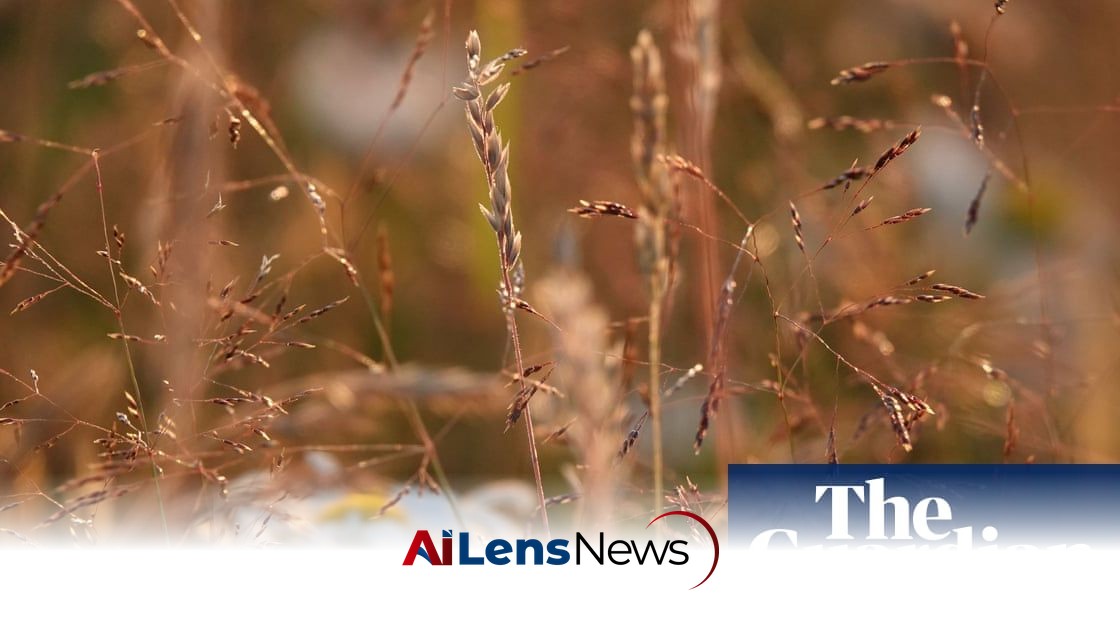


A vivid account of the enchanting flower meadows in Derbyshire, capturing their rich biodiversity and the immersive experience they offer.
New Delhi, India Jul 21, 2026 ALN: In his glorious poem Haymaking, Edward Thomas describes how the fiery day “had a kernel sweet of cold” and “the white empty road was lightly strewn/With leaves.” The heat here, however, was unrelieved, and if the road was empty, it was also liquefying at its margin. Sweat banded my cap and ran in the creases at the backs of my bare legs, where, I noticed, the horseflies focused their attentions.
Flower meadows, more than any other British land form, seem to be the most entangled and entangling places we have. They encircle and almost invade you with a sense of richness: not just the entwining hum of insect wings, nor the penetrating chromatic songs of the flowers themselves, but in an exuberant aura of living abundance. This richness is not merely aesthetic; it speaks to the ecological significance of these meadows, which serve as vital habitats for a plethora of species, from pollinators like bees and butterflies to various birds and small mammals. The intricate relationships among these organisms highlight the importance of biodiversity in maintaining healthy ecosystems.
I can convey it best by invoking a small tableau from my circuit at the site. It was a spot where two flowers – oxeye daisies and common knapweeds – mingled equally in a knee-high horizon of snowdrift white and dusky evening-pink. The blooms were at a ratio of hundreds per square metre and thousands per single photographic frame. This vivid display is a hallmark of flower-rich meadows, which thrive in well-managed agricultural landscapes. Historically, these meadows were created through traditional farming techniques, including haymaking and grazing, which allowed a diverse range of plant species to flourish.
They recessed as a blended whole, but also as individual plants, radiating outwards, negotiating each other’s presence in a reticulation of stalks, stems, blooms or leaves so complex you could burst from any effort to comprehend it. The complexity of these ecosystems is often underestimated; the interactions among flora and fauna create a dynamic and ever-evolving tapestry of life. It was magnificent, but almost overwhelming. The right response might not be to reckon with it, but to drop down before it, to take a moment to breathe in the scents and sounds that envelop you, to allow the beauty to wash over you like a gentle wave.
There was one detail in Thomas’s Haymaking meadow that is also at this Derbyshire Wildlife Trust reserve. In unforgettable lines, speaking of the grasses and weeds, the men and their beasts in the heat, Thomas wrote “and all were silent. All was old.” So old, in fact, it seemed he was encountering not a living moment but something “immortal in a picture.” He is inaccurate in one specific sense. No image can be older than life, which has a lineage of 3.8 billion years. This deep sense of time is palpable in Hartington Meadows, where the layers of history are evident in the landscape itself. The meadows have evolved over millennia, shaped by natural processes and human activity alike.
Somehow, in a flower-rich meadow, you become aware that you and the flowers are party to it all. This awareness fosters a sense of connection to the earth and its history, reminding us that we are part of a larger narrative that transcends our individual lives. As I stood amidst the vibrant blooms, I felt a profound connection to the earth and its history. The meadows are not just a feast for the eyes; they are a reminder of the intricate web of life that sustains us. Each flower, each insect, plays a role in this ecosystem, contributing to a larger narrative of survival and beauty. This interconnectedness is essential for the health of our planet, as it underscores the importance of conserving these natural spaces.
The conservation of flower meadows like Hartington Meadows has become increasingly critical in the face of urbanization and agricultural intensification. Many traditional meadows have been lost to development or have suffered from the use of chemical fertilizers and pesticides, which can diminish biodiversity and alter the delicate balance of these ecosystems. Organizations such as the Derbyshire Wildlife Trust work tirelessly to protect and restore these habitats, employing methods such as controlled grazing, hay cutting, and re-seeding with native species to promote the growth of diverse plant communities.
Moreover, educational initiatives aimed at raising awareness about the importance of flower meadows are vital. Engaging the local community and visitors helps foster a sense of stewardship and responsibility towards these natural spaces. By understanding the ecological significance of meadows, individuals can appreciate their role not only in the local but also in the broader context of global biodiversity. Workshops, guided walks, and volunteer opportunities provide avenues for people to connect with nature and contribute to conservation efforts.
In addition to local efforts, there is a growing recognition of the need for broader policy measures to protect these vital ecosystems. Conservationists advocate for policies that promote sustainable agricultural practices, habitat restoration, and the creation of wildlife corridors to connect fragmented habitats. These measures are essential for ensuring that flower meadows can thrive amidst the pressures of modern development.
Community engagement plays a pivotal role in the conservation of Hartington Meadows and similar habitats. Local volunteers often participate in habitat restoration projects, helping to remove invasive species, plant native flora, and monitor wildlife populations. This hands-on involvement not only aids in the recovery of these ecosystems but also cultivates a deeper appreciation for the natural world among participants. Schools and educational institutions often organize field trips to the meadows, allowing students to learn about ecology, conservation, and the importance of biodiversity firsthand.
Furthermore, local events such as flower festivals and nature walks enhance community ties and raise awareness about the significance of these meadows. These gatherings provide opportunities for people to share their love for nature, exchange knowledge, and inspire collective action towards conservation. The social aspect of these events can strengthen community bonds, fostering a shared commitment to protecting local natural resources.
Visiting Hartington Meadows is more than just a stroll through nature; it is an immersion into a world where every element is interconnected. The experience is both humbling and uplifting, inviting us to appreciate the rich tapestry of life that surrounds us. In these meadows, we find not only beauty but also a sense of belonging to something much greater than ourselves. The vibrant colors, the hum of insects, and the gentle sway of the flowers all serve as reminders of the intricate relationships that sustain life on Earth. As we reflect on our place within this web of existence, we are called to act as caretakers of the , ensuring that future generations can also experience the wonder and beauty of places like Hartington Meadows. Protecting these meadows is not merely an act of conservation; it is a commitment to preserving the legacy of life that has flourished on this planet for billions of years.
To learn more about the latest developments in Conservation, stay updated with our exclusive reports and analyses on AiLensNews.

