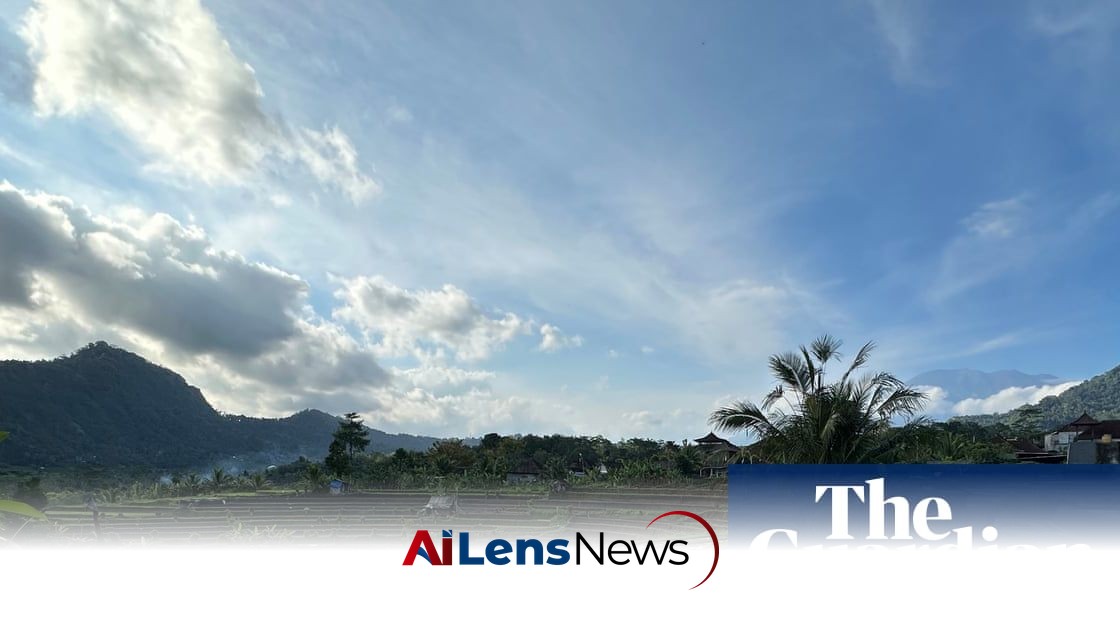


Bali faces a severe water crisis as tourism consumes over 65% of the island's fresh water, threatening traditional farming and local communities.
New Delhi, India Jul 14, 2026 ALN: Bali's Water Crisis: How Tourism is Depleting a Vital Resource
As Bali's picturesque rice terraces fade under the weight of tourism, local farmers like I Putu Partayasa are feeling the impact of a severe water crisis. Once abundant, the island's water resources are being siphoned off to meet the demands of an ever-growing tourism industry, leaving traditional irrigation systems and local communities struggling to survive. This situation is not just a local issue; it reflects broader global challenges regarding water management, sustainability, and the impacts of tourism on natural resources.
Parta, as he is known, describes the dire situation in his rice field, where water scarcity has become a pressing issue. "We have a big problem in the dry season," he laments. "Fifteen years ago, we had water every day. But today it’s getting less." His plot remains irrigated, but he fears for his neighbors who have already begun to suffer from the diminishing water supply. This decline in water availability is not only affecting agricultural productivity but is also threatening the livelihoods of farmers who depend on these resources for their families and communities.
The traditional Balinese irrigation system, known as subak, has governed water distribution for centuries. This cooperative model, which blends agricultural practices with spiritual beliefs, is now under threat. UNESCO recognized the subak system as a world heritage site in 2012, underscoring its cultural and historical significance. However, recent reports indicate that Bali has lost over 6,500 hectares of rice fields in the last five years, a decline of more than 9%. This loss not only affects food security but also the cultural identity of the Balinese people, who have relied on rice cultivation for generations.
Tourism has surged in Bali, with visitor numbers skyrocketing to over 16 million in 2024, four times the island's permanent population. This influx has drastically altered the island's relationship with water, with tourism now consuming over 65% of Bali's fresh water. As hotels and resorts expand, the pressure on local water supplies intensifies. The rise of luxury accommodations, which often prioritize lavish amenities and extensive landscaping, contributes significantly to this demand.
In southern Bali, where development is concentrated, groundwater extraction has pushed aquifers beyond sustainable levels. Research indicates that coastal wells are turning brackish as seawater intrudes to fill the void left by over-extraction. This phenomenon not only compromises the quality of drinking water but also affects agricultural irrigation, leading to further declines in crop yields. The IDEP Foundation, a local NGO, declared Bali to be in a water crisis in 2018, and the situation has only worsened since. The implications of this crisis extend beyond immediate water shortages; they pose long-term threats to the island's ecological balance and economic stability.
Residents like Kadek Siska in Uluwatu face daily uncertainty regarding their water supply. "Before, people here would give land for free to another Balinese because everyone knew there is no water," she recalls. Now, the area is among the most expensive real estate in Bali, and water scarcity has forced families to rely on expensive water deliveries. This shift in land use and economic pressure illustrates the broader trend of gentrification fueled by tourism, which often displaces local communities and alters traditional ways of life.
While a tourist in a resort may use up to 4,000 liters of water daily for various amenities, the average Balinese resident survives on just 30-50 liters. This stark contrast highlights the inequities exacerbated by the tourism industry. The disparity in water usage raises questions about social justice, al responsibility, and the sustainability of tourism practices. As local communities struggle to secure basic needs, the tourism sector must confront its role in exacerbating these challenges.
Much of the water supplied to luxury resorts comes from borewells, often operated without proper permits. The provincial government has stated that commercial groundwater extraction requires a permit, yet enforcement has been lax. Many water businesses operate illegally, exacerbating the crisis. This lack of regulation not only threatens the water supply but also undermines the efforts of those who are trying to protect Bali's natural resources and promote sustainable practices.
Niluh Djelantik, a local senator, advocates for a moratorium on new hotel constructions and stricter enforcement of groundwater extraction regulations. "The revenue of Bali tourism comes from the sweat of the people. They don’t need another stress," she asserts. Her call to action reflects a growing movement among local leaders and activists who are demanding accountability from the tourism industry and seeking to restore balance between economic development and al stewardship.
In the hills above Munduk, Rudi Pak, a water priest, embodies the Balinese philosophy of Tri Hita Karana, which emphasizes the relationship between humans, God, and nature. This philosophy promotes harmony among people, the , and the divine, and serves as a guiding principle for water management practices in Bali. Despite lucrative offers from developers, he refuses to sell his land, prioritizing preservation for future generations. His commitment highlights the ongoing struggle between economic interests and cultural values, as well as the importance of local knowledge in addressing al challenges.
As Bali grapples with the consequences of rapid tourism growth, the fight to protect its water resources and traditional agricultural practices continues. The island's future depends on finding a balance between development and sustainability, ensuring that both the land and its people can thrive. This balance is crucial not only for preserving Bali's unique cultural heritage but also for ensuring the long-term viability of its natural resources. The path forward will require collaboration among government officials, local communities, and the tourism industry to create sustainable practices that respect the island's ecological limits and cultural significance.
In conclusion, Bali's water crisis serves as a microcosm of larger global issues concerning resource management, al sustainability, and the impacts of tourism on local communities. The island's experience can offer valuable lessons for other regions facing similar challenges, emphasizing the need for responsible tourism practices, effective regulatory frameworks, and a commitment to preserving the delicate balance between human needs and al health. As stakeholders come together to address these pressing issues, there is hope that Bali can navigate its water crisis and emerge as a model for sustainable tourism and resource management in the future.
To learn more about the latest developments in Climate Change, stay updated with our exclusive reports and analyses on AiLensNews.

