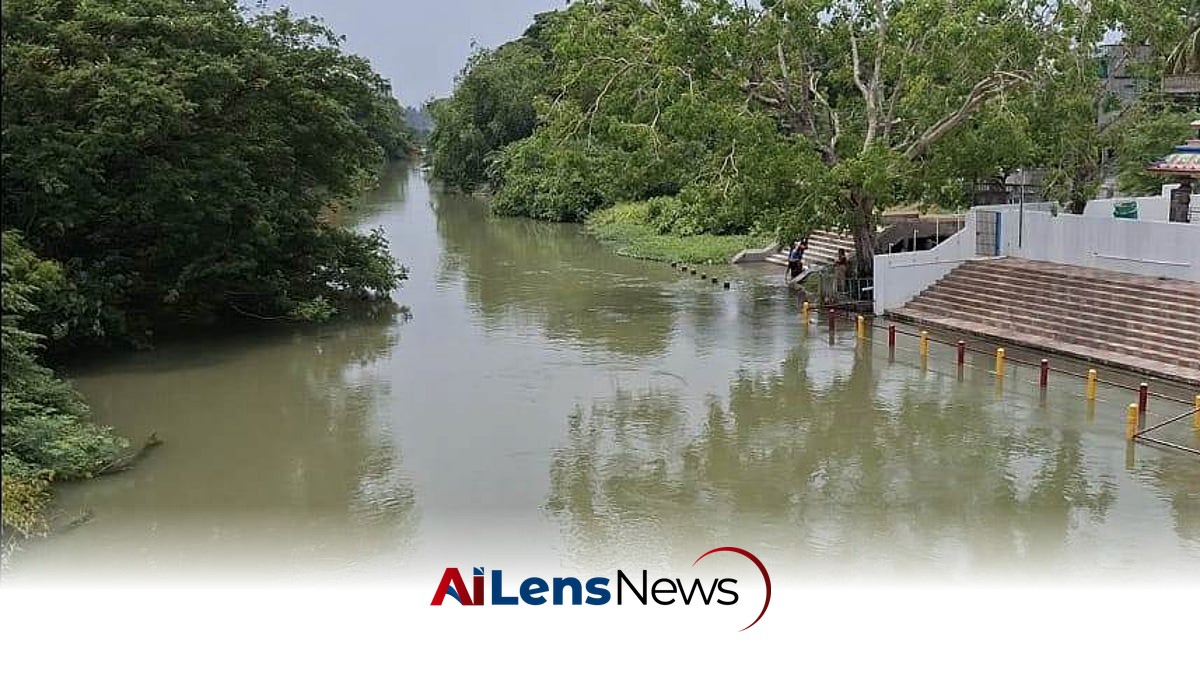


The Gosthani Canal, crucial for several villages in West Godavari, is severely polluted due to untreated waste discharge, raising health concerns.
Amaravati, India Jul 24, 2026 ALN: The Gosthani Canal, a vital water source that serves numerous villages in the West Godavari district of Andhra Pradesh, India, is currently facing a severe pollution crisis. This alarming situation is primarily attributed to the continuous discharge of untreated sewage, solid waste, and poultry waste into the canal's waters. The pollution poses significant health risks to the local population and threatens the ecological balance of the region.
The Gosthani Canal has its origins from the Narsapur Canal near Kakaraparru in the Peravali mandal of the East Godavari district. It flows almost 60 kilometers through various villages, including Velivennu, Satyavada, Tanuku, Velpuru, Kavalipuram, Penumantra, Veeravasaram, and Bhimavaram, before ultimately joining the sea near Kalipatnam. This extensive network of waterways is critical for irrigation and domestic water supply, making its pollution a pressing issue for the communities that rely on it.
Residents of the area have raised serious concerns regarding the quality of water in the canal. They allege that drainage outlets from Tanuku and surrounding urban areas have been directly connected to the canal, leading to contamination of water that is used not only for drinking but also for agricultural purposes. This direct discharge of waste into the canal has led to increased levels of harmful pathogens and pollutants, raising health concerns among the villages situated along its banks.
In some areas, reports indicate that even toilet waste is being discharged into the canal, exacerbating the pollution problem. The implications of such actions are dire, as they can lead to waterborne diseases that disproportionately affect vulnerable populations, including children and the elderly. The situation is further complicated by the fact that many residents in Tanuku are forced to rely on drinking water sold by private plants, highlighting the inadequacy of public water supply systems. This reliance persists despite the proximity of the Godavari River and irrigation canals, as residents await the completion of the Godavari drinking water supply project, which has been delayed.
In response to the growing pollution crisis, municipal authorities have stated that they are taking measures to address the issue. Tanuku Municipal In-charge Deputy Executive Engineer K. Eswara Reddy has indicated that all drainage outlets currently flowing into the canal will be redirected through a main drain to Mandapaka Madugu. This initiative aims to minimize the direct discharge of waste into the canal and improve the overall water quality.
Additionally, a 10.7 MLD (million liters per day) Sewage Treatment Plant has been proposed as part of a long-term solution to treat wastewater before it is discharged into the canal. The government has allocated ₹7 crore for land acquisition related to this project, which is expected to serve as a permanent solution to the pollution problem. The establishment of a sewage treatment facility is a crucial step in managing wastewater and ensuring that the water entering the canal is treated and safe for use.
Tanuku MLA Arimilli Radhakrishna has emphasized the seriousness of the canal pollution issue, stating that Chief Minister Chandrababu Naidu and Deputy Chief Minister Pawan Kalyan have reviewed the situation. The Andhra Pradesh Pollution Control Board has also taken note of the pollution in the Gosthani Canal, indicating that the issue is receiving the attention it deserves from higher authorities. Radhakrishna has assured residents that efforts will be made to clean and restore the canal before the upcoming Godavari Pushkarams, a significant religious festival that attracts thousands of pilgrims and visitors to the region.
The Godavari Pushkarams is a festival that occurs once every 12 years and is celebrated along the banks of the Godavari River. It is a time when devotees believe that taking a dip in the river will cleanse them of sins and bring spiritual merit. The presence of pollution in the Gosthani Canal, which is a tributary of the Godavari River, could tarnish the sanctity of the festival and deter visitors, thereby impacting local businesses and the economy.
The situation surrounding the Gosthani Canal is emblematic of broader environmental challenges faced in many parts of India, where rapid urbanization and population growth have outpaced infrastructure development and environmental protections. The unchecked discharge of waste into water bodies is a common issue that poses significant risks to public health and the environment. As cities expand and more people move to urban areas, the demand for effective waste management solutions becomes increasingly critical.
Moreover, the pollution of the Gosthani Canal raises questions about the effectiveness of existing regulatory frameworks and the enforcement of environmental laws. The role of local municipalities, state governments, and environmental agencies is crucial in addressing these challenges. Community engagement and awareness are also vital in fostering a culture of environmental stewardship among residents, encouraging them to take an active role in protecting their water resources.
In conclusion, the severe pollution threatening the Gosthani Canal in West Godavari is a multifaceted issue that requires immediate attention and long-term solutions. While municipal authorities are taking steps to address the pollution, the cooperation of local residents, government agencies, and environmental organizations will be essential in ensuring the health and sustainability of this critical water resource. The successful restoration of the canal will not only benefit the local communities but will also preserve the ecological integrity of the region, safeguarding it for future generations.
To better understand the implications of this pollution crisis, it is essential to consider the socio-economic context of the affected communities. Many of the villages along the Gosthani Canal rely heavily on agriculture for their livelihoods. The pollution not only jeopardizes the health of the people but also threatens agricultural productivity, as contaminated water can lead to crop failure and loss of income for farmers. This, in turn, can exacerbate poverty in the region, creating a vicious cycle of environmental degradation and socio-economic decline.
Furthermore, the pollution crisis highlights the need for a more integrated approach to water resource management in India. Effective management requires collaboration between various stakeholders, including government agencies, local communities, and non-governmental organizations. Education and awareness campaigns can play a significant role in informing residents about the importance of maintaining water quality and the impact of their actions on the environment.
As the situation develops, it will be crucial to monitor the progress of the proposed sewage treatment plant and the redirection of drainage outlets. Transparency in the implementation of these projects will be vital in building trust within the community. Regular updates on the status of the canal's restoration and ongoing pollution control measures can help engage residents and encourage them to participate actively in safeguarding their water resources.
In summary, the pollution of the Gosthani Canal is not just an environmental issue; it is a public health crisis, an economic challenge, and a call for better governance. Addressing this crisis effectively requires a comprehensive strategy that includes immediate remedial actions, long-term infrastructure investments, and community involvement. Only through such a multifaceted approach can the health of the canal and the well-being of the local population be secured for generations to come.
To learn more about the latest developments in Pollution & Waste, stay updated with our exclusive reports and analyses on AiLensNews.

