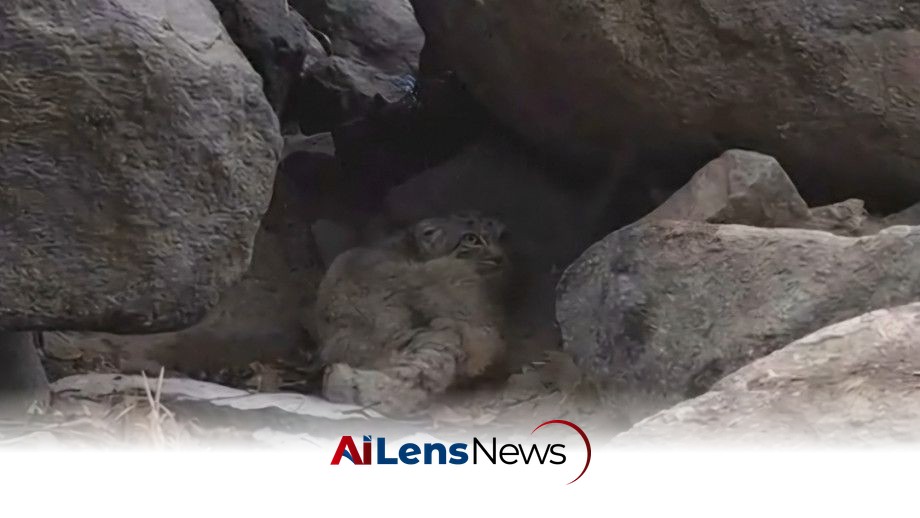


A rare sighting of the elusive Pallas’s Cat has been reported in Aryan Valley, marking a significant moment for wildlife enthusiasts and conservationists.
Leh, India Jul 12, 2026 ALN: In a remarkable discovery, wildlife enthusiasts have reported the sighting of the elusive Pallas’s Cat in Aryan Valley, a region known for its rich biodiversity. This sighting is particularly significant as it highlights the importance of conservation efforts in preserving the habitats of rare species. The Pallas’s Cat, also referred to as the manul, is a small wild cat that has garnered attention not only for its unique appearance but also for its role in the ecosystem it inhabits.
Pallas’s Cat, scientifically known as Otocolobus manul, is a small wild cat native to the grasslands and montane steppes of Central Asia. It is characterized by its stocky build, long fur, and a distinctive flat face, which distinguishes it from other felines. The recent sighting in Aryan Valley is a positive indicator of the region's ecological health, suggesting that the area may provide suitable conditions for this species to thrive. The presence of Pallas’s Cat in this location not only excites wildlife enthusiasts but also emphasizes the need for ongoing conservation efforts to protect such rare species.
The Pallas’s Cat is listed as Near Threatened by the International Union for Conservation of Nature (IUCN), which raises concerns about its population decline due to habitat loss, poaching, and human-wildlife conflict. Its sighting in Aryan Valley serves as a reminder of the critical need to monitor and protect habitats that support vulnerable species. By raising awareness about this species, conservationists hope to garner support for broader initiatives aimed at preserving biodiversity.
This small cat is known for its distinctive appearance, with a flat face and thick fur that helps it survive in harsh climates. Pallas’s Cats are solitary animals, primarily active during dawn and dusk, exhibiting crepuscular behavior. They are skilled hunters, preying on small mammals and birds, which makes their presence crucial for maintaining the balance of the ecosystem. Their hunting practices help control the populations of their prey, thereby contributing to the overall health of the grassland and steppe ecosystems.
In terms of habitat, Pallas’s Cats prefer rocky outcrops, grasslands, and areas with ample cover for stalking prey. Their thick fur not only provides insulation against cold temperatures but also helps them blend into their surroundings, making them effective ambush predators. Understanding their habitat preferences and behavioral patterns is essential for developing effective conservation strategies.
The sighting of the Pallas’s Cat in Aryan Valley underscores the significance of conservation initiatives aimed at protecting their natural habitats. Organizations focused on wildlife preservation are working tirelessly to ensure that these animals have a safe environment to thrive. Efforts include habitat restoration, anti-poaching measures, and community awareness programs. These initiatives are vital in mitigating the threats faced by Pallas’s Cats and ensuring the long-term sustainability of their populations.
Habitat restoration efforts often involve reforesting areas that have been degraded and ensuring that the natural vegetation is preserved. Anti-poaching measures are critical, as illegal hunting poses a significant threat to the Pallas’s Cat population. By increasing patrols and implementing stricter penalties for poaching, conservation organizations aim to deter illegal activities that endanger these animals. Furthermore, community awareness programs are designed to educate local populations about the ecological importance of Pallas’s Cats and the role they play in maintaining healthy ecosystems.
Local communities play a vital role in conservation efforts. Engaging residents in wildlife protection initiatives fosters a sense of ownership and responsibility towards their natural surroundings. Educational programs aimed at informing the public about the importance of biodiversity can lead to increased support for conservation efforts. These programs often include workshops, school presentations, and community events that encourage participation in local conservation projects.
By involving local communities, conservationists can create a network of advocates who are invested in the protection of their local wildlife. This grassroots approach not only empowers residents but also helps to build a culture of conservation that can lead to long-term positive outcomes for both wildlife and human populations. When communities understand the benefits of preserving their natural resources, they are more likely to support and participate in conservation initiatives.
As more sightings of Pallas’s Cat are reported, researchers hope to gather data that can help in understanding their behavior and habitat preferences. This information is crucial for developing effective conservation strategies that can ensure the survival of this remarkable species. Ongoing research efforts may include tracking the movements of Pallas’s Cats using GPS collars, conducting population surveys, and studying their interactions with other species in the ecosystem.
Moreover, collaboration between researchers, conservation organizations, and local communities will be essential in developing comprehensive management plans that address the various threats faced by Pallas’s Cats. By sharing knowledge and resources, stakeholders can work together to create a holistic approach to wildlife conservation that benefits both the species and the people living in the region.
In conclusion, the sighting of the Pallas’s Cat in Aryan Valley is a landmark event that highlights the importance of wildlife conservation. It serves as a reminder of the delicate balance of ecosystems and the need for continued efforts to protect our planet's biodiversity. The positive implications of this sighting extend beyond the Pallas’s Cat itself, as it reflects the health of the broader ecosystem and the effectiveness of conservation initiatives in the region. As awareness grows and efforts continue, there is hope that the Pallas’s Cat will not only survive but thrive in its natural habitat, serving as a symbol of successful conservation efforts in action.
To learn more about the latest developments in Conservation, stay updated with our exclusive reports and analyses on AiLensNews.

