

More
Checking your session
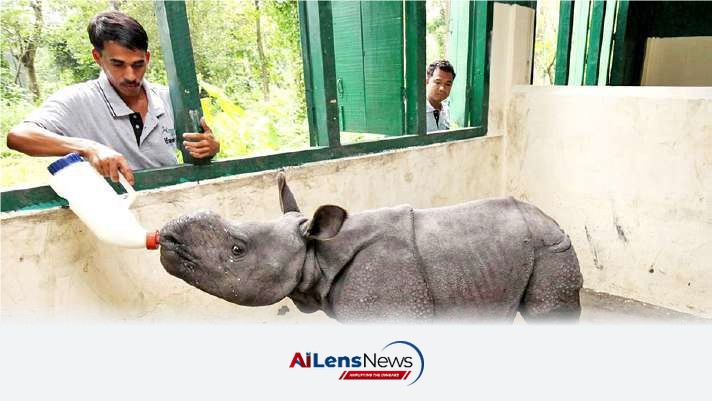



The Centre for Wildlife Rehabilitation and Conservation marks a significant milestone, having rescued over 10,000 wild animals in Assam since its inception.
Dispur, India Aug 30, 2026 ALN: The Centre for Wildlife Rehabilitation and Conservation (CWRC), operated by the Wildlife Trust of India (WTI) at Panbari near Kaziranga National Park and Tiger Reserve, has celebrated 25 years of dedicated service towards the rescue, treatment, and rehabilitation of wild animals.
Established on August 28, 2002, the centre was initially located at Borjuri in Kaziranga and became India’s first dedicated facility for hand-raising, treating, and releasing orphaned and injured animals back into the wild. The establishment of CWRC marked a significant milestone in wildlife conservation efforts in India, particularly in the northeastern region, which is known for its rich biodiversity and unique ecosystems.
Over the years, CWRC has responded to wildlife emergencies during severe floods in Kaziranga and other parts of Assam, as well as incidents arising from accidents and other causes. The region is prone to annual flooding, which poses a significant threat to wildlife, particularly during the monsoon season. The CWRC's swift response in these situations not only saves lives but also helps maintain ecological balance by ensuring that wildlife populations are not severely impacted by natural disasters.
Jointly run by the Assam Forest Department and WTI, in partnership with the International Fund for Animal Welfare (IFAW), CWRC has responded to more than 10,000 wildlife rescue cases since its inception, with nearly 68 percent of the animals successfully treated and released back into their natural habitats. This impressive success rate reflects the centre's commitment to wildlife conservation and the effectiveness of its rehabilitation protocols, which are designed to prepare animals for life in the wild following treatment.
Alongside two Mobile Veterinary Service (MVS) units, CWRC extends its reach across eastern and western Assam, providing emergency veterinary care, hand-raising orphaned animals when necessary, and preparing rescued wildlife for release through established wildlife-management protocols. The MVS units play a crucial role in extending the centre's capabilities, allowing veterinary teams to reach remote areas quickly and provide timely assistance to injured or distressed wildlife.
Flood rescue remains a major focus of the centre’s operations. Its veterinary teams and caregivers, in coordination with the State’s Forest Department, have rescued animals that are stranded, injured, or displaced during floods, providing emergency care and reuniting young animals with their mothers whenever possible. These efforts not only help individual animals but also contribute to the overall health of the ecosystem by ensuring that animal populations remain stable.
Beyond emergency response, CWRC actively engages with local communities through outreach programs aimed at reducing human-wildlife conflict and strengthening community-led conservation efforts. These outreach initiatives are essential in fostering a sense of stewardship among local populations, encouraging them to participate in conservation efforts and understand the importance of preserving their natural heritage.
Over the past 25 years, the centre’s work has contributed to several landmark conservation initiatives. Since 2006, CWRC has played a pivotal role in the reintroduction of rhinos in Manas National Park through the rehabilitation of rescued individuals. The successful reintroduction of these majestic animals not only enhances biodiversity but also boosts local ecotourism, providing economic benefits to surrounding communities.
Other significant initiatives include the rehabilitation of Asiatic black bear cubs in Manas and Dihing Patkai National Parks, the rescue of wild buffalo in Dibru-Saikhowa National Park and Laokhowa and Burachapori wildlife sanctuaries, and the rescue of hoolock gibbons. Each of these efforts underscores the centre's versatility and commitment to a wide range of species, reflecting the rich biodiversity found in Assam.
Additionally, the centre has evolved into a training facility for wildlife rescue veterinarians, biologists, and conservation practitioners. This training aspect is crucial for building local capacity in wildlife conservation, ensuring that future generations of conservationists are well-equipped to tackle the challenges facing wildlife in India. By sharing knowledge and best practices, CWRC is not only enhancing its own operations but also contributing to a broader network of wildlife conservation efforts across the region.
The 25th anniversary of CWRC is not just a celebration of past achievements; it is also a call to action for the future. As human activities continue to encroach upon natural habitats, the challenges facing wildlife conservation are becoming increasingly complex. Climate change, habitat destruction, and poaching are just a few of the threats that wildlife in Assam and beyond must contend with. The continued success of CWRC will depend on its ability to adapt to these challenges and innovate new strategies for wildlife conservation.
In conclusion, the CWRC's quarter-century of service stands as a testament to the power of dedicated conservation efforts. As it looks to the future, the centre remains committed to its mission of wildlife rehabilitation and conservation, ensuring that Assam's rich biodiversity is protected for generations to come.
To learn more about the latest developments in Conservation, stay updated with our exclusive reports and analyses on AILensNews.

The Assam Forest Department is exploring measures to enhance eco-tourism at Kazi…

A rare Himalayan Mole was rescued from the Manas River and released back into Ma…

The Assam government plans immediate restoration of forest cover in Behali Wildl…

Assam Forest Minister Jayanta Mallabaruah has directed a probe into forest destr…

The All Tai Ahom Students’ Association (ATASU) has raised alarms over illegal hi…