

The rise of vertical media platforms marks a new audiovisual language that resonates with digital natives, reshaping storytelling in the entertainment industry.
New Delhi, India Jul 10, 2026 ALN: The rise of microdramas and vertical media platforms marks the dawn of an audiovisual language that speaks to digital natives. As technology evolves and consumer habits shift, the way stories are told and consumed is undergoing a significant transformation. This evolution is not merely a trend but a fundamental change in how audiences engage with content, particularly among younger generations who have grown up in a digital world.
One week from today, on July 17, I will take my family to see Christopher Nolan’s “The Odyssey.” We will watch it in IMAX, shot on cameras built for the movie. My teenagers and I will turn our phones off and give the expected blockbuster our undivided attention. Millions of other families will do the same, because it’s exactly the shared experience film was built to deliver. The communal aspect of cinema, the anticipation of a new release, and the immersive experience of a large screen are elements that have defined film for decades.
However, as I reflect on my two decades in television, before leaving in 2016 to found a podcast company well before it was fashionable, I find myself considering the opposite of the IMAX experience: a new audiovisual language called Vertical. This new language is not just an alternative format; it represents a shift in storytelling that is becoming increasingly relevant in a world where attention spans are shorter, and content consumption habits are rapidly evolving.
Film came first. Then came television. They were born miles apart, with different talent pools, aesthetics, and business models. You bought a ticket to watch a movie on the biggest screen you could find, uninterrupted. Television came to your home, so it had to compete with dinner and the phone ringing. Writers, actors, and directors for both languages had those constraints in mind. The two mediums developed distinct identities, with film focusing on grand narratives and cinematic artistry, while television adapted to the more intimate setting of the living room.
For nearly a century, film was considered the superior art. But as a business, television always had the upper hand, built on habit, repeat viewing, and often higher profits. Some of television’s most successful formats – including live news, sports, and game shows – weren’t suitable for theaters. This divergence created a landscape where both forms could thrive, yet they operated under different sets of expectations and audience engagement strategies.
Over the past 20 years, the two have grown much closer. Premium cable and streaming pushed budgets up and pulled film talent in. Stories once thought too complex for broadcast were now most in demand from HBO, FX, and Netflix. Television got cinematic. Christopher’s brother, Jonathan Nolan, went on to co-create “Westworld” for HBO and “Fallout” for Amazon Prime Video. But the most cinematic television did not erase the distinction between the first two audiovisual languages; it sharpened it. The blending of film and television aesthetics has led to a rich tapestry of storytelling that appeals to diverse audiences, yet the fundamental differences in how stories are told remain clear.
Now, a third language has arrived. As early as 2010, TV stations noticed people were sending short videos shot vertically, making some wonder why people weren’t bothering to rotate their phones. Soon TikTok made vertical video entertaining and viral: it trained audiences to turn the sound on, come for a minute and stay for an hour. Instagram Reels, YouTube Shorts, and others followed, capitalizing on the demand for bite-sized content that fits seamlessly into the fast-paced lives of digital consumers.
But for all their strengths, those three platforms were not designed for serialized, scripted storytelling. So a new ecosystem emerged. First in China, then in the West, microdramas borrowed the grammar of the soap opera, the swipe-up language of TikTok, and the monetization of mobile gaming. New creators, aesthetics, and ways of getting paid arrived, born like film and television before them, a universe away from the incumbents, speaking a language they did not write. This new form of storytelling is characterized by its brevity, immediacy, and adaptability, allowing creators to engage with audiences in innovative ways.
Microdramas are to Vertical what soap operas in the 1950s were to TV: one early genre, not the whole language. Television, at maturity, had hundreds of subgenres. If you had watched a soap opera back then, would you have imagined that out of the same box we would one day get “Game of Thrones,” “South Park,” and the Super Bowl? Similarly, as Vertical media continues to evolve, we can expect to see a plethora of genres emerge, each with its unique voice and style, reflecting the diverse interests of modern audiences.
Vertical will evolve in the same way. We’re already getting vertical news, sports, reality, comedy, live shopping, even a wildlife documentary. Major players in the media landscape, including Amazon, Alphabet, Comcast, Disney, Meta, Netflix, and Paramount, have all discussed their vertical products or announced new ones during the most recent earnings season. This indicates a recognition of the potential that vertical media holds, not just as a niche market but as a significant segment of the overall entertainment industry.
It is easy to mock today’s microdramas. At an upfront presentation in May, a leading streaming executive dismissed them outright. Yet when I convened a summit on Vertical last month in Hollywood, every major streamer, studio, and tech platform sent people. This shows that even those who may initially be skeptical are beginning to see the value in this new format. Television dismissed early Netflix, just as streaming dismissed YouTube, highlighting a pattern where innovation is often met with resistance before being embraced.
The numbers are no longer a joke. My firm estimates that vertical video outside of China is on track to generate $150 billion in revenue this year. That figure includes Meta’s Reels, which the company put at a $50 billion annual run rate last fall, more than Netflix’s global revenue last year. This financial success underscores the viability of vertical media as a legitimate and lucrative avenue for content creation, challenging traditional models and encouraging new approaches to storytelling.
None of this threatens “The Odyssey” — that is the part worth holding on to. The mistake is not betting on film, or television, or the phone. The mistake is believing there are only two visual entertainment languages worth speaking. The coexistence of these formats enriches the media landscape, offering audiences a wider array of choices and experiences.
So on July 17, I will be glad that film is still film. The same weekend, I will watch HBO’s “The Gilded Age” on a TV screen, and a drama designed to be watched on a phone held upright. Vertical is a third language, still in its infancy. The studios, platforms, agencies, and investors who learn to speak it now will set its terms. As we move forward, it will be essential for stakeholders in the industry to embrace these changes and adapt to the evolving preferences of audiences, ensuring that they remain relevant in a rapidly changing media landscape.
Hernan Lopez is president of Owl & Co, an advisory firm focused on media and the attention economy. He previously founded Wondery and served as a senior television executive at 20th Century Fox.
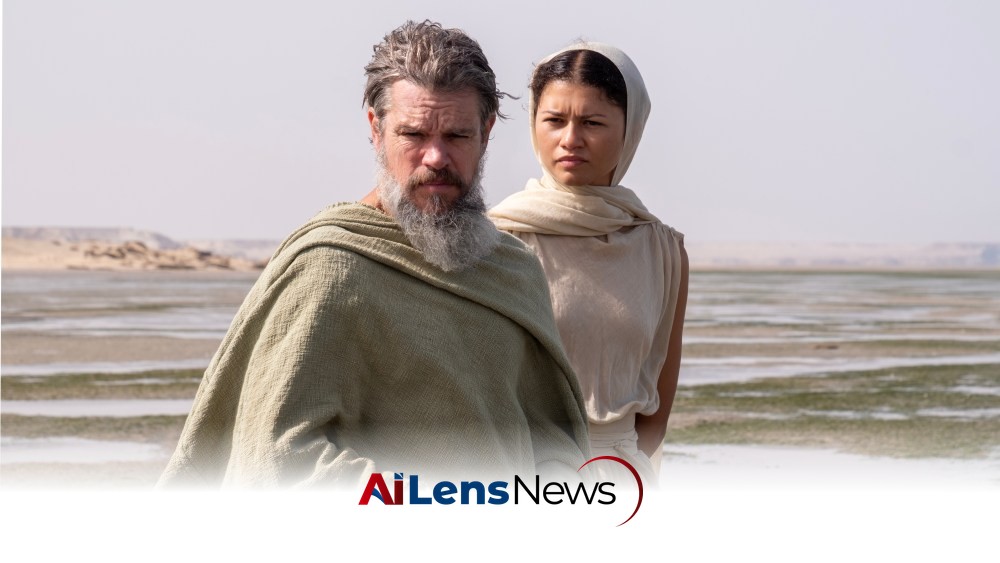
(Pictured: Matt Damon and Zendaya in Universal Pictures’ “The Odyssey”)
To learn more about the latest developments in TV Shows, stay updated with our exclusive reports and analyses on AiLensNews.

