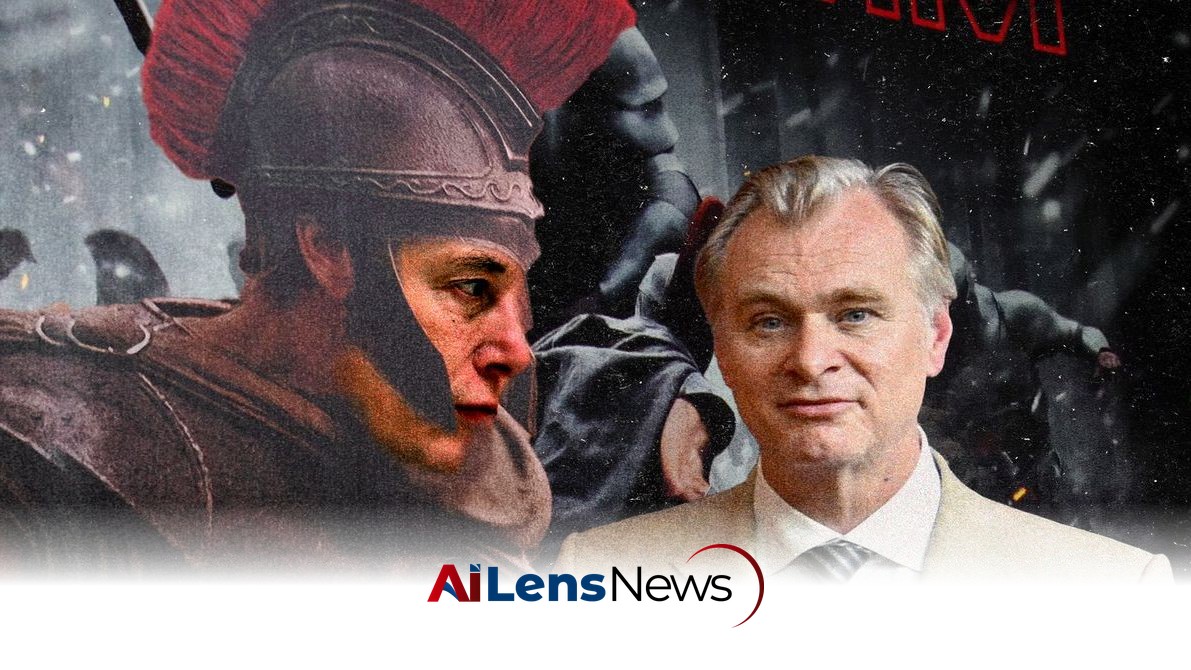


Despite predictions of failure, Christopher Nolan's adaptation of 'The Odyssey' has become a box office success, challenging the narratives of its critics.
Washington DC, United States Jul 23, 2026 ALN: For months, Elon Musk and the right-wing critics he engages with on X have been embroiled in a heated controversy over what they perceive as the desecration of an ancient Greek poem, specifically Homer’s The Odyssey, as interpreted by one of the most successful filmmakers of our time, Christopher Nolan. The backlash, fueled by a combination of cultural anxieties and a perceived threat to traditional values, has drawn attention not only to the film itself but also to the broader cultural discourse surrounding representation, historical accuracy, and the evolving nature of storytelling in contemporary cinema.
At the center of the uproar are accusations of “historical inaccuracy” levied against Nolan’s adaptation, which features a diverse cast that includes Lupita Nyong'o as Helen of Troy and Elliot Page as Sinon. Critics have argued that such casting choices undermine the historical authenticity of the narrative, which is rooted in ancient Greek mythology. This criticism is particularly vocal among certain factions on the right, who have embraced a narrative of cultural preservation and authenticity, viewing the film as an affront to the original text.
However, the notion of historical accuracy in adaptations of ancient texts is complex and often contentious. The Odyssey, while a revered epic, is itself a work of fiction filled with fantastical elements, including gods, monsters, and supernatural occurrences. The adaptation by Nolan, who is known for his ambitious storytelling and visual prowess, raises questions about the purpose of retelling such stories in the modern era. Is it to remain strictly faithful to the source material, or is there room for reinterpretation that reflects contemporary values and diversities?
Despite the vocal opposition, the film has achieved remarkable commercial success, grossing approximately $264 million during its opening weekend. This figure not only indicates a strong audience turnout but also suggests that the film resonates with a wide demographic, transcending the narrow criticisms of a vocal minority. The box office performance has prompted some conservative commentators, including Ben Shapiro, to acknowledge the film as a significant achievement, albeit reluctantly, as it contradicts their predictions of its failure.
In the wake of its success, some critics have resorted to conspiracy theories to explain the film's popularity. One such claim circulated on social media, alleging that The Odyssey was artificially inflating ticket sales by purchasing theater seats to create the illusion of a full house. This narrative was bolstered by anecdotal reports from users on platforms like Reddit, claiming to have attended screenings with fewer attendees than expected. However, the credibility of these claims is questionable, and the motivations behind such conspiracy theories warrant examination.
Universal Pictures, the studio responsible for the film, operates within a highly competitive industry where the stakes of box office performance are immense. The suggestion that the studio would engage in deceptive practices to promote a film that has already incurred significant production and marketing costs lacks a clear rationale. Such theories often arise from a broader distrust in institutions and a tendency to view success through a lens of skepticism, particularly among those who feel alienated by prevailing cultural trends.
Elon Musk, who has a history of engaging with controversial topics on social media, has added fuel to the fire by proposing an alternative adaptation of The Odyssey. Inspired by an AI-generated montage that depicted characters from the epic as exclusively white and speaking in British accents, Musk announced his intention to produce a historically accurate version of the story through his venture, Grok Imagine. This announcement, however, raises questions about the feasibility and appeal of such a project, especially in light of the existing film's success.
Musk's track record of ambitious promises often falling short is well-documented, leading many to view his latest endeavor with skepticism. Furthermore, the notion of creating an AI-generated film raises significant concerns about the role of technology in creative industries. While AI has the potential to streamline certain aspects of production, the essence of storytelling lies in human experience, emotion, and creativity—elements that cannot be easily replicated by algorithms.
The entertainment industry is currently grappling with the implications of AI, with many executives exploring its potential to reduce costs and enhance productivity. However, Nolan’s success with The Odyssey serves as a reminder that the art of filmmaking is rooted in the practical craft of storytelling, which often transcends technological advancements. The film’s reception suggests that audiences are drawn to narratives that resonate on a deeper level, rather than those that simply adhere to rigid definitions of accuracy.
The ongoing discourse surrounding The Odyssey highlights a broader cultural struggle over representation and the evolving nature of storytelling in modern cinema. The backlash from right-wing critics reflects a fear of change and a desire to maintain traditional narratives, while the film’s success indicates a growing acceptance of diverse perspectives in storytelling. As society continues to navigate these complex issues, the question remains: will those resistant to change ever reconcile their views with the evolving landscape of popular culture?
As the cultural conversation unfolds, it is evident that the impact of The Odyssey extends beyond its box office numbers. It serves as a case study in the intersection of art, politics, and identity, illuminating the challenges and opportunities that arise when adapting classic narratives for contemporary audiences. The implications of this discourse are far-reaching, as they reflect the ongoing tensions between tradition and innovation, authenticity and representation, and the role of art in shaping societal values.
In conclusion, the backlash against The Odyssey underscores the complexities of cultural discourse in an increasingly polarized society. While some may continue to grapple with their perceptions of historical accuracy and representation, the film’s success suggests that audiences are ready to embrace narratives that reflect the diversity of the human experience. As the industry evolves, it will be essential for creators to navigate these challenges thoughtfully, ensuring that the stories we tell resonate with audiences while honoring the rich tapestry of our shared cultural heritage.
To learn more about the latest developments in Movies, stay updated with our exclusive reports and analyses on AiLensNews.

