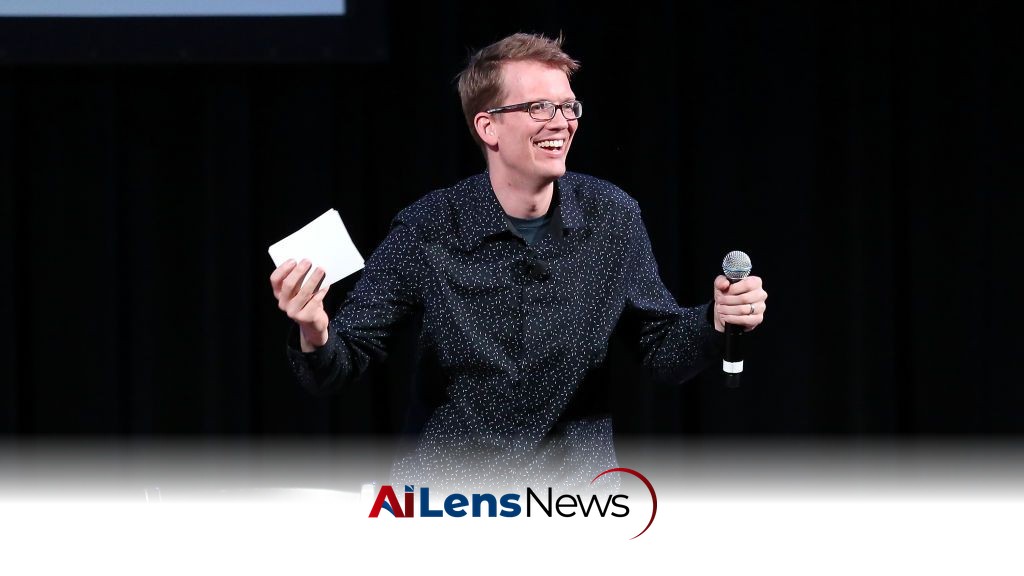


YouTuber Hank Green expresses regret over his increasing dependence on AI chatbots, acknowledging it as unhealthy for himself and his audience.
Washington DC, United States Aug 2, 2026 ALN: Hank Green, a novelist, comedian, and YouTuber with 3.2 million rs, recently apologized to his audience for his growing reliance on AI chatbots.
The controversy began when Green, known for his educational content on the YouTube channel Complexly, used an unusual phrase during a video, which led to speculation among viewers that he had incorporated AI-generated text into his script. The phrase, "I appreciate the pushback," seemed out of place, prompting discussions about the authenticity of his content and whether it had been influenced by AI technology. This incident reflects a broader concern within the content creation community regarding the use of AI tools and their impact on the integrity of creative work.
In a since-deleted post on X, Green acknowledged that the pressure of content creation had led him to utilize ChatGPT for research purposes while scripting the video. He clarified that the phrase in question was actually a response to a guest featured in the episode, not an AI-generated line. However, the incident raised significant concerns about the implications of AI in creative processes, especially in educational content where authenticity is paramount. This incident serves as a reminder of the delicate balance that creators must maintain between leveraging new technologies and preserving their unique voices.
Following the incident, Green took to Reddit to offer a more comprehensive apology. He expressed feeling "mortified" for disappointing his audience and acknowledged the need to reassess his approach to content creation. This admission highlights a growing concern among creators about the balance between efficiency and authenticity in the age of AI. The rise of AI tools has transformed the landscape of content creation, enabling creators to streamline their processes but also raising questions about the originality and personal touch of their work.
Green emphasized that while he had used ChatGPT to find academic papers and resources related to the topics he covers, the core ideas and expressions in his videos remained his own. Nonetheless, he recognized the criticism regarding his use of AI, admitting that it could be seen as "diluting" his personal voice and creativity. This statement reflects a broader dialogue within the creative community about the ethical implications of AI in content creation, where the line between human creativity and machine assistance can become blurred. The increasing sophistication of AI tools has led to a growing debate about what constitutes authentic creativity and whether reliance on such technologies undermines the value of human expression.
Moreover, Green’s comments on AI were not solely about his personal experience. He articulated a nuanced view, stating that he is "not a pure AI-hater," while also voicing concerns regarding the technology's broader societal impacts. These include its potential contribution to climate change and the rapid consolidation of economic power by a few tech companies. Such concerns resonate with ongoing debates about the responsibility of tech companies in addressing the environmental and social implications of their innovations. As AI continues to advance, the conversation around its ethical use becomes increasingly vital, particularly in terms of its environmental footprint and the socio-economic inequalities it may exacerbate.
In his apology, Green expressed a fear of losing touch with his audience and compromising his integrity as a content creator. He stated, "Ultimately, what I am most scared of is ruining myself for people, but I have not been managing my impulses well." This sentiment underscores the pressure that many creators face in a competitive digital landscape where the demand for content can lead to hasty decisions that may not align with their values. The pressure to produce content rapidly can often conflict with the desire for authenticity, prompting creators to reconsider their methods and the tools they employ.
As a response to the backlash, Green indicated that he would be taking a step back from his usual content production schedule. He plans to focus on creating videos that resonate more deeply with him, such as a recent meditative video that he felt genuinely connected to. Green's intention to produce content that reflects his true thoughts and feelings suggests a desire to reconnect with the essence of his work, prioritizing quality over quantity. This shift towards more meaningful content could inspire other creators to reflect on their own practices and the motivations behind their work.
Additionally, Green mentioned that he might explore more unscripted content, where he can share his thoughts directly with his audience without the constraints of a scripted format. This shift could represent a broader trend among content creators seeking to maintain authenticity in an era where AI tools are becoming increasingly prevalent. The move towards unscripted content may allow creators to engage with their audiences in a more genuine manner, fostering a sense of connection that scripted content may sometimes lack.
He also acknowledged the addictive nature of the instant gratification that comes from engaging with AI tools, stating, "the level of dopamine I’ve been getting from interacting with LLMs…with doing more and more and more and more…is not healthy for me or good for the world." This recognition of the psychological effects of technology is critical, as many individuals grapple with the implications of digital engagement on their mental health and creativity. The constant pursuit of efficiency and productivity can lead to burnout and a disconnection from the intrinsic joy of creative expression, prompting a need for a more balanced approach to content creation.
The incident involving Hank Green serves as a cautionary tale for content creators navigating the complexities of AI integration into their work. As technology continues to evolve, the challenge remains to find a balance that allows for innovation while preserving the authenticity and integrity that audiences value. Green’s experience highlights the importance of transparency in content creation, particularly in educational contexts where trust is essential. As audiences become more discerning about the content they consume, creators may need to prioritize honesty and clarity about their processes and the tools they use.
In conclusion, Hank Green's apology and subsequent reflections on his use of AI in content creation bring to light critical conversations about the role of technology in the creative process. As creators like Green reassess their approaches, the industry may witness a shift towards more mindful engagement with AI tools. This could lead to a renewed emphasis on personal expression and authenticity, ultimately benefiting both creators and their audiences in an increasingly automated world. The ongoing dialogue about the ethical implications of AI in creative work will likely continue to evolve, shaping the future of content creation and influencing how creators interact with both technology and their audiences.
To learn more about the latest developments in Events & Award Shows, stay updated with our exclusive reports and analyses on AiLensNews.

