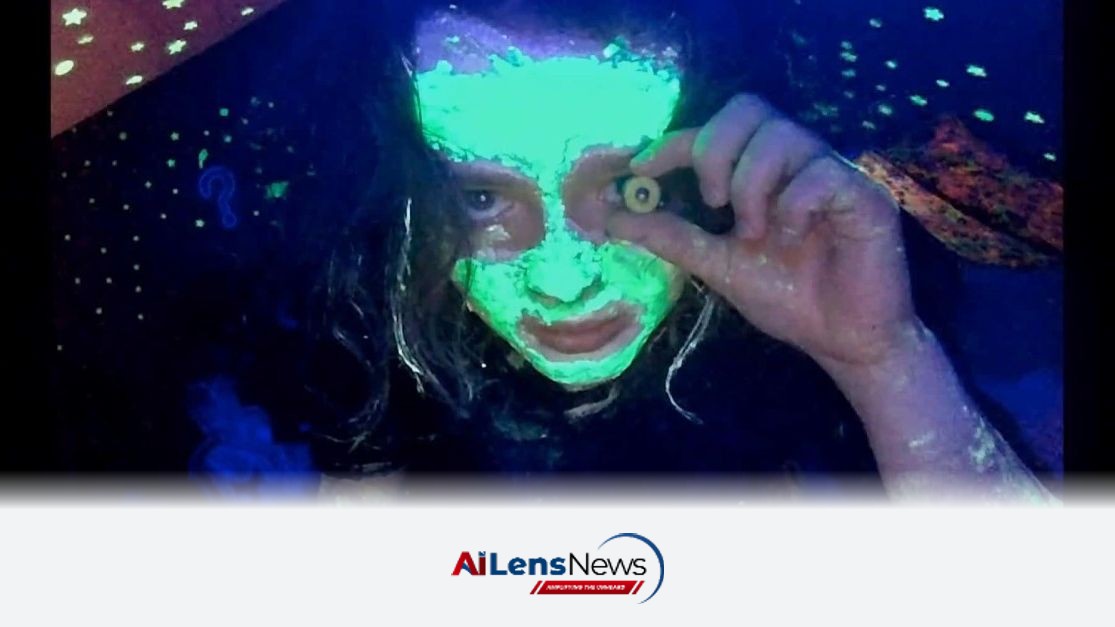



Jane Schoenbrun's debut film delves into the unsettling world of a young girl's isolation and search for belonging through a chilling online challenge.
Washington DC, United States Aug 23, 2026 ALN: Jane Schoenbrun’s latest film, Teenage Sex and Death at Camp Miasma, is making a splash in theaters right now, showcasing their unique storytelling style and thematic exploration that resonates with contemporary audiences. This moment presents an opportune time to revisit their earlier work, We’re All Going to the World’s Fair, which garnered significant attention and acclaim when it premiered at the Sundance Film Festival in 2021. The film dives deep into the complexities of adolescence, identity, and the pervasive influence of digital culture.
At the heart of We’re All Going to the World’s Fair is our protagonist, Casey, who embarks on the World’s Fair Challenge, a chilling blend of alternate reality game (ARG) elements and horror movie tropes. The challenge involves participants engaging in a series of unsettling rituals that evoke themes of transformation and existential dread. The film opens with Casey performing the challenge, a process that includes a haunting mantra, self-inflicted bloodletting, and the consumption of a mysterious video. This opening scene immediately sets a tone of discomfort, as viewers witness Casey staring directly into her webcam, her actions both captivating and disturbing. The visceral moment when she jabs herself with a pin to draw blood is particularly jarring, eliciting a physical reaction from the audience and establishing the film's unsettling atmosphere.
The premise of the World’s Fair Challenge is intriguing — participants are supposed to document their experiences and report back on the changes they undergo, which are described in surreal terms, such as turning into plastic or having their insides resemble Tetris pieces. This concept serves as a metaphor for the often disorienting and transformative nature of adolescence, particularly in an age dominated by social media and online interactions. The challenge reflects the anxieties of growing up in a digital world, where personal identity can feel fluid and malleable, much like the transformations described in the challenge.
As the narrative unfolds, World’s Fair evolves into a poignant coming-of-age story centered on Casey, a lonely young girl navigating her existence in a disconnected world. Notably, the film diverges from traditional coming-of-age narratives that often emphasize sexual awakening. Instead, it focuses on Casey's desperate search for connection and belonging amidst the isolation of her online life. The absence of her father, who is only heard yelling off-screen, further emphasizes Casey's loneliness and the lack of familial support, making her attempts to reach out through video uploads all the more poignant.
Another significant character in the film is JLB, a lonely middle-aged man who becomes intrigued by Casey’s online presence. His character introduces a layer of unease to the film, as he expresses concern for Casey’s well-being while simultaneously exhibiting predatory tendencies. The dynamic between JLB and Casey raises uncomfortable questions about vulnerability, exploitation, and the nature of online relationships. The film hints at the potential for grooming, as JLB’s interest in Casey blurs the lines of concern and obsession. This relationship adds to the film's voyeuristic quality, as viewers are left to grapple with their discomfort regarding the implications of their interactions.
The ambiguity that permeates We’re All Going to the World’s Fair is one of its most compelling features. The film does not provide clear answers or resolutions, allowing audiences to interpret the events and themes in their own way. This open-endedness invites discussions about the nature of horror in the digital age and the psychological implications of online interactions. While it may not reach the surreal or campy heights of other indie films like I Saw the TV Glow or Camp Miasma, it stands out as a distinctive work that employs body horror tropes in innovative and thought-provoking manners.
The film’s exploration of identity, belonging, and the haunting nature of online experiences resonates deeply with contemporary audiences, particularly younger viewers who are navigating their own complex relationships with technology and social media. In an era where online personas can often overshadow real-life interactions, We’re All Going to the World’s Fair serves as a reflection on the challenges and dangers that accompany growing up in a hyper-connected world.
In conclusion, We’re All Going to the World’s Fair is a significant work within the realm of indie cinema, offering a fresh perspective on the horror genre while addressing critical themes related to adolescence and digital culture. Its unsettling narrative and complex character dynamics create a rich tapestry for exploration and discussion, making it a film worthy of revisiting, especially in light of Schoenbrun’s latest release. For those interested in diving into this unique cinematic experience, We’re All Going to the World’s Fair is available for streaming on various platforms, inviting new audiences to engage with its haunting themes and thought-provoking content.
To learn more about the latest developments in Events & Award Shows, stay updated with our exclusive reports and analyses on AILensNews.

