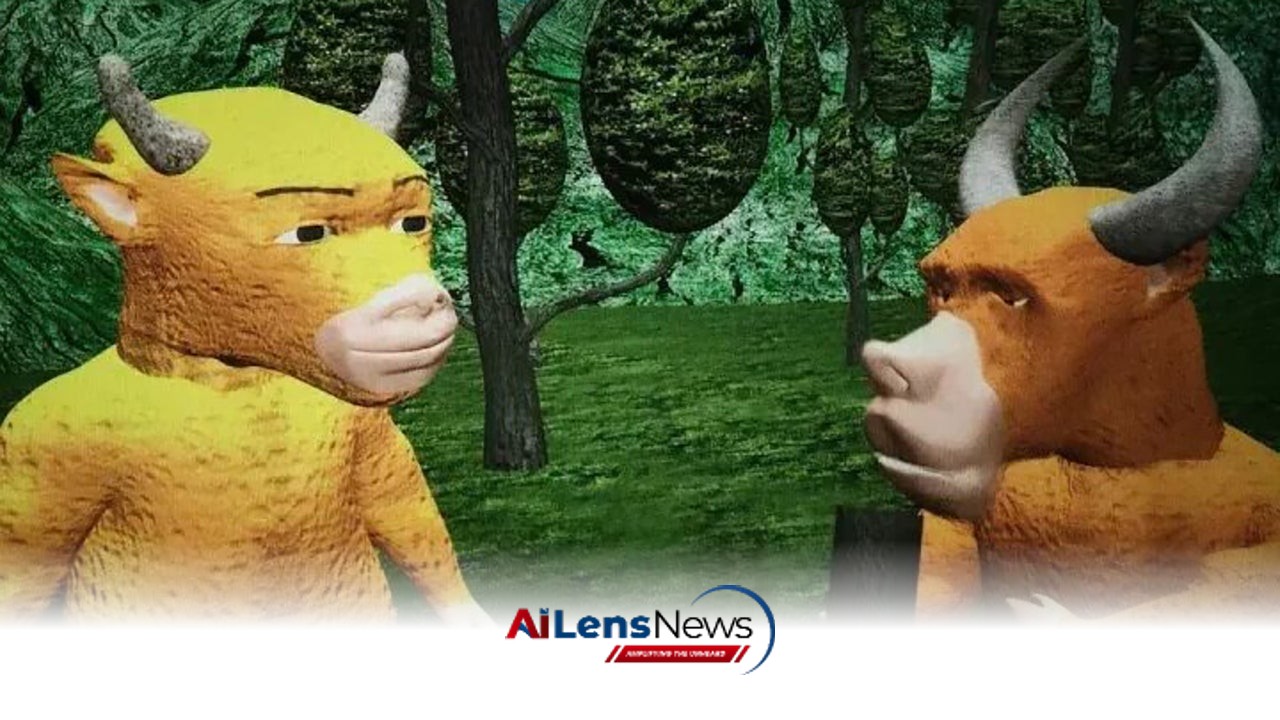



The Chinese animated film 'Niu Lai' has gained popularity for its low-quality animation, sparking discussions on AI content and human creativity.
Washington DC, United States Aug 22, 2026 ALN: Moviegoers will often flock to the cinemas for one of two reasons: in response to viral clips on social media, like in the case of Obsession, or because of the draw of a star-studded cast and director, like for Christopher Nolan’s The Odyssey. But as summer comes to a close, Chinese animated film Niu Lai has become an unexpected hit for bringing people to theaters for another reason: its terrible quality.
Whether driven by a little bit of “so bad it’s good” irony or appreciation from AI skeptics that the movie’s visuals are so bad they couldn’t possibly have been made by AI, Niu Lai’s popularity is undeniable. The film, which has garnered attention for its unconventional appeal, raises intriguing questions about audience preferences in the current media landscape.
The premise of Niu Lai is simple: A timid calf navigates its own dream of growing up alongside a skylark and a leopard. The 86-minute film is reportedly a project from a mother-and-son duo that took roughly five years to complete with a budget of just $200. This DIY approach to filmmaking, though fraught with challenges, has resulted in a product that, while technically flawed, resonates with viewers in a unique way.
In the first 10 days of its release in China, the film brought in only 7,700 yuan ($1,145), with fewer than 300 people buying tickets. However, propelled by posts on social media, the movie has become a surprise hit since its U.S. debut on August 5, raking in upwards of $2.2 million. This surge in popularity highlights how digital platforms can dramatically alter the trajectory of a film's reception, especially for low-budget productions.
That may be a drop in the bucket compared to The Odyssey’s $1.3 billion worldwide box-office haul, but it’s huge for the low-budget film. The relative success of Niu Lai even seems to be breaking records, with some reports stating it has become the most profitable film in relation to its low budget. This phenomenon underscores a growing trend where audiences are increasingly drawn to films that offer something different from mainstream offerings.
Initial attention for the movie was in the form of criticism for its low-tech 3D animations. The animal characters fit somewhere uncomfortably in the uncanny valley, and its backgrounds—such as they are—make Minecraft look highly detailed. Such stark visual shortcomings have not deterred viewers; instead, they have become a part of the film's charm and appeal, contributing to its cult status.
Users poked fun at the movie’s low quality, and there are reports that many young individuals recommended the film to their friends as a sort of prank. The internet lore then inspired morbid curiosity, which quickly translated into ticket sales. This reflects a broader cultural phenomenon where audiences are increasingly seeking out experiences that challenge conventional standards of quality.
“Everybody [knows] it’s bad, it’s so bad that we have to see it,” a user said on X, encapsulating the sentiment that has driven viewers to the theater. This ironic appreciation of poor quality has become a hallmark of certain segments of internet culture, where the experience of watching a film can be as entertaining as the film itself.
This summer has been a particularly successful one for low-budget films, like the thriller Obsession, which held the spot for most profitable movie before Niu Lai’s rise to fame. While Obsession became a box-office hit thanks to social media buzz, the thriller stood out for its critically acclaimed acting and directing. In contrast, Niu Lai thrives on its unabashedly amateur execution, highlighting a fascinating dichotomy in audience preferences.
In the case of Niu Lai, the unexpected buzz has forced cinema staff to get creative, with many theaters making their own movie posters by hand since the film does not have an official poster. This grassroots approach to marketing reflects the film's DIY spirit and has further endeared it to audiences who appreciate its authenticity.
But the simple animation has since sparked a new conversation about the type of content users on social media want to promote. In many cases, users have pointed out that despite the movie being of terrible quality, it is at least a breath of fresh air in the age of AI content. The film's reception can be seen as a counter-narrative to the growing concern over AI-generated media, with audiences expressing a preference for human-made art, even if it lacks polish.
“For your information; I prefer my slop quality animation, bad CGI, low budget films: MADE BY MAN,” a user said on X, emphasizing the value placed on human creativity over technological efficiency. This sentiment taps into a larger cultural discourse about authenticity, creativity, and the role of technology in artistic expression.
On Letterboxd, users have left a flurry of reviews, with the movie currently holding a rating of 3.5 out of 5 stars. This rating indicates a level of appreciation that transcends traditional metrics of quality. “My eyes and ears have been blessed. tears are falling from my eyes this is genuinely the movie of the year,” one user commented. Another added, “future cult classic movie and leading pioneer of the anti AI movement.” Such reviews reflect a community that is not just consuming media but actively engaging with it, fostering a sense of belonging among fans.
Beyond its sudden hit status, Niu Lai is leaving behind a lesson on what consumers truly look for in the era of AI slop. The film's unexpected success highlights a potential shift in audience expectations, where the charm of imperfection and the human touch can resonate more deeply than technical excellence.
“It was made by a mother and son who animated and voice acted the movie all alone,” a user said on X. “Yeah it’s poorly produced but that’s the whole point, that at the end of the day human art wins over AI.” This statement encapsulates the film's journey, illustrating how Niu Lai has sparked a broader conversation about the value of human creativity in an increasingly automated world. As audiences continue to navigate a landscape dominated by high-budget, high-tech productions, Niu Lai serves as a reminder that there is still a place for the unique, the quirky, and the authentically human in cinema.
To learn more about the latest developments in Movies, stay updated with our exclusive reports and analyses on AILensNews.

