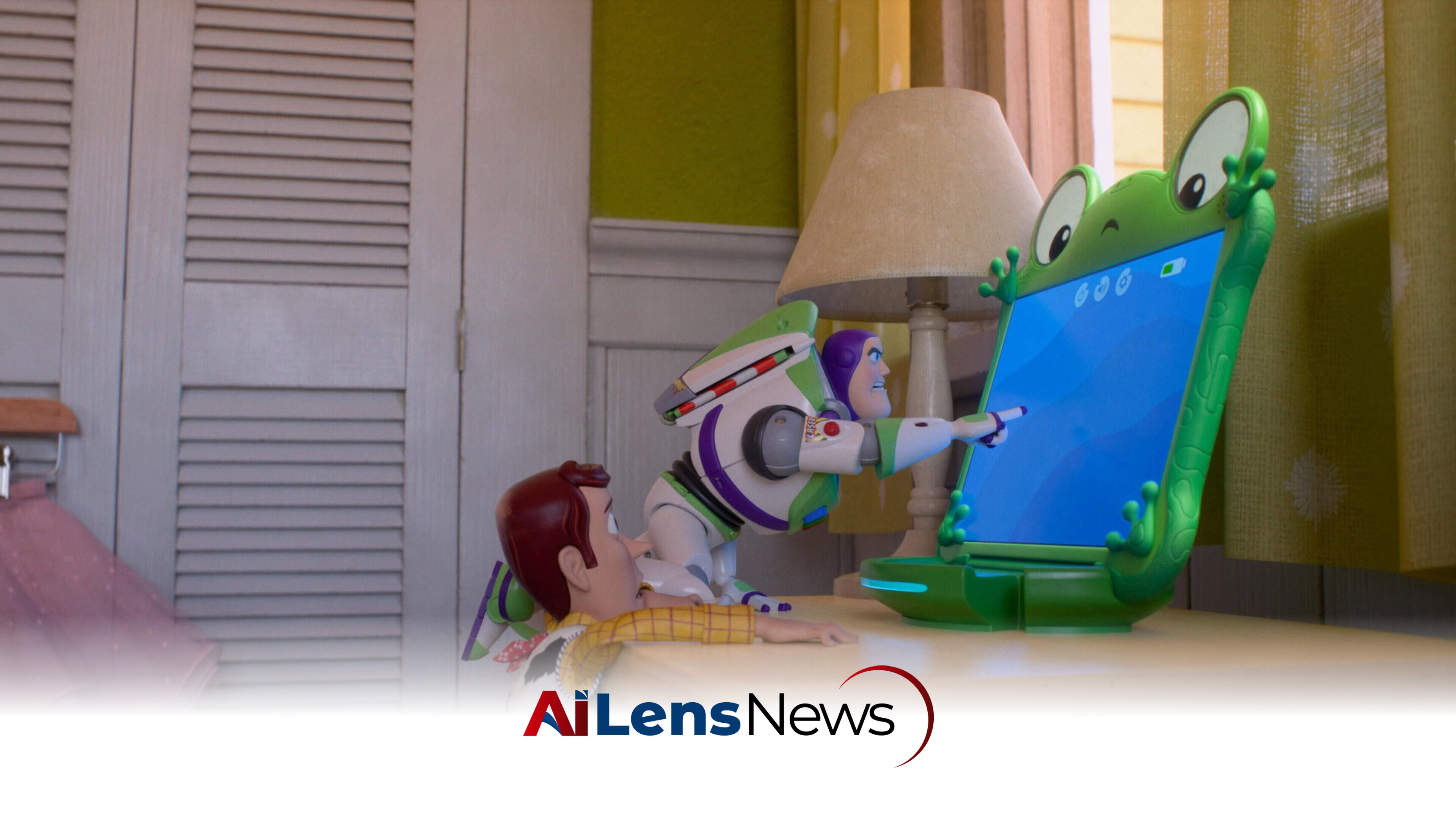


The new Disney/Pixar film raises concerns about tech addiction, prompting discussions between parents and children about the impact of devices on playtime.
London, United Kingdom Jul 29, 2026 ALN: The release of Toy Story 5 has ignited a significant dialogue regarding the impact of technology on children, particularly as it relates to tech addiction. In this latest installment from Disney/Pixar, the beloved characters face a new challenge: the encroachment of a high-tech device that resembles an iPad, which threatens the traditional playtime experiences that have been central to the Toy Story narrative. This thematic shift reflects a growing concern among parents and educators about the increasing reliance on digital devices in children's lives.
Charlotte Cripps, a parent who has engaged deeply with the film's themes, has noted that the movie has prompted meaningful discussions between her and her daughters. While the film is designed to entertain, it also serves as a mirror to contemporary parenting challenges, particularly in an era where screen time is often at odds with imaginative play. The portrayal of characters grappling with the allure of technology resonates with many families who are navigating the complexities of parenting in a digital age.
As the film progresses, viewers witness the characters' struggle to maintain their roles in a world increasingly dominated by screens. This narrative not only entertains but also reflects a broader societal issue: the competition between screen time and traditional forms of play. For many parents, this competition is not merely a plot device; it is a daily reality. Children are drawn to the instant gratification that screens provide, often at the expense of creative and physical play, which are critical for their development.
Crisps' observation that one of her daughters has become more hesitant to engage with her iPad following the film indicates the potential for media to shape children's attitudes toward technology. It raises an important question: can films like Toy Story 5 serve as tools for behavioral change? The movie's influence on children’s perceptions of technology might encourage them to reconsider their screen habits, potentially leading to a healthier balance between digital and physical play.
However, Cripps also expresses a valid concern regarding the film's narrative approach. She worries that the film may inadvertently place the onus of tech addiction on children rather than addressing the crucial role of parental guidance in managing screen time. This perspective highlights a critical aspect of the conversation around technology use: the responsibility of parents to model healthy behaviors and set boundaries for their children. While the film raises awareness about the potential dangers of excessive screen time, it may overlook the necessity of discussing how parents can actively participate in mitigating these risks.
This concern is echoed by many parents and educators who argue that the responsibility for managing technology use should not solely rest on children. Instead, it is essential for adults to engage in self-reflection regarding their own screen habits and the environment they create for their children. The film serves as a catalyst for these discussions, prompting families to evaluate their technology use and its implications for their children's development.
The implications of Toy Story 5's narrative extend beyond individual families. In a broader context, the film highlights the societal pressures that shape children's interactions with technology. With the rise of digital devices, there has been a corresponding increase in concerns about tech addiction among youth. Research has shown that excessive screen time can lead to a variety of negative outcomes, including decreased physical activity, impaired social skills, and disruptions in sleep patterns. As such, discussions sparked by the film can contribute to a larger movement advocating for a balanced approach to technology use.
Moreover, the film's themes resonate with ongoing debates in educational circles about the role of technology in learning. While digital tools can enhance educational experiences, there is a growing recognition that they should not replace traditional play and face-to-face interactions. Toy Story 5 encapsulates this tension, encouraging parents and educators to find a middle ground where technology complements rather than dominates children's lives.
Ultimately, Toy Story 5 does more than entertain; it challenges viewers to reflect on the role of technology in childhood. The film encourages families to engage in meaningful conversations about balance in a technology-driven world. As parents and children leave the theater, they are prompted to consider not only the allure of screens but also the value of imaginative play and the importance of human connection.
In conclusion, the conversations sparked by Toy Story 5 may lead to a greater awareness of the implications of technology on childhood development. As families navigate the complexities of modern parenting, the film serves as a reminder of the need for a thoughtful approach to screen time, one that involves both children and parents in the journey toward finding balance in a digital age. Through its engaging narrative and relatable themes, Toy Story 5 has the potential to influence not just individual families but also the broader cultural conversation about technology and its role in shaping the future of play and childhood.
As technology continues to evolve, the question of how to integrate it into children's lives without compromising their development remains pressing. The rise of smartphones, tablets, and gaming consoles has transformed the landscape of childhood play, creating a new paradigm where traditional toys and games are often sidelined in favor of digital engagement. This shift has raised alarms among child development experts, who emphasize the importance of physical activity, social interaction, and imaginative play as foundational elements of healthy childhood development.
In light of these concerns, Toy Story 5's narrative serves as a poignant reminder of the joys of play that are not mediated by screens. The film showcases the importance of creativity, friendship, and adventure—elements that are essential for children's growth and well-being. As families engage with the film, they are encouraged to reflect on their own play habits and consider how they can foster environments that prioritize active engagement over passive consumption.
Furthermore, the film's release comes at a time when many schools and educational institutions are grappling with the integration of technology into their curricula. While technology can enhance learning experiences, educators are increasingly aware of the need for balance. Toy Story 5 reinforces the idea that while digital tools have their place, they should not overshadow the invaluable lessons learned through direct, unmediated play experiences.
In addition to its entertainment value, Toy Story 5 serves as a call to action for parents, educators, and policymakers. It highlights the need for comprehensive strategies that address tech addiction and promote healthy technology use among children. This may include setting clear boundaries around screen time, encouraging outdoor play, and fostering environments that prioritize face-to-face interactions. By doing so, families can create a supportive atmosphere that nurtures children's development while still allowing for the benefits of technology.
As discussions around Toy Story 5 continue, it is clear that the film has struck a chord with audiences. The conversations it has sparked are not just about a fictional narrative; they are about real-life challenges that families face in a rapidly changing world. By engaging with these themes, parents and children alike can begin to navigate the complexities of technology and its role in their lives, ultimately fostering a more balanced approach to screen time that honors both the joys of childhood and the realities of modern life.
To learn more about the latest developments in Movies, stay updated with our exclusive reports and analyses on AiLensNews.

