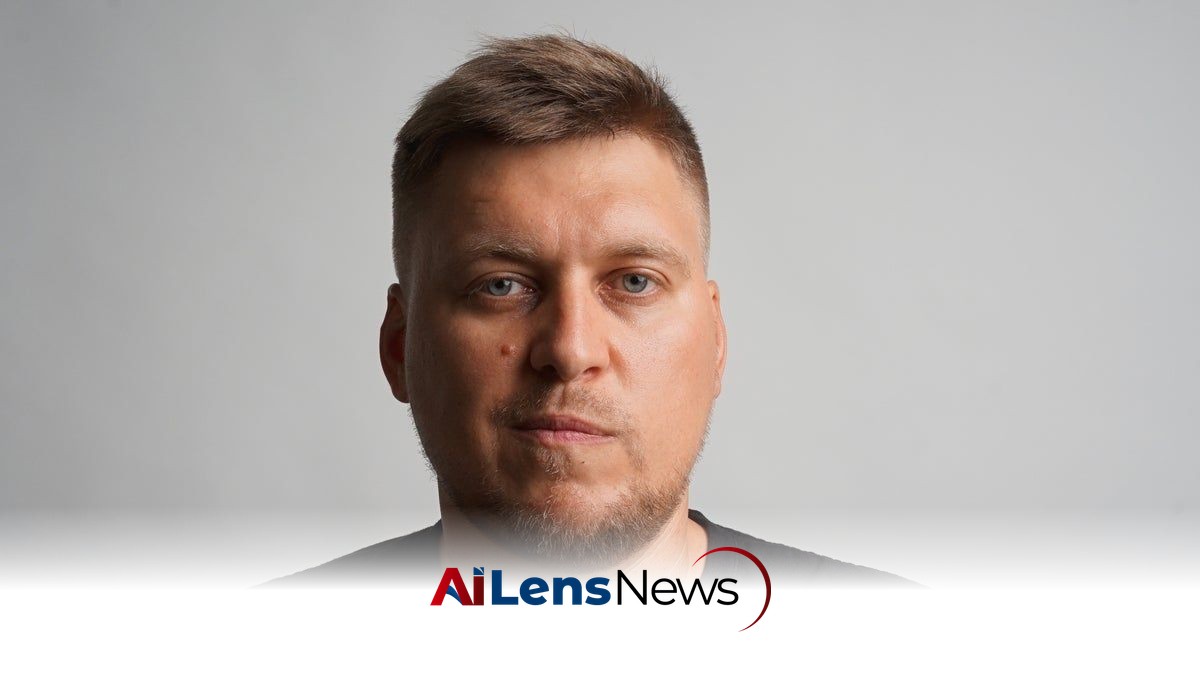


Sasha Nezlobin, a prominent Russian comedian, fled to the US after criticizing Putin's regime. He shares his journey and new life ahead of his Edinburgh Fringe performance.
London, United Kingdom Jul 21, 2026 ALN: Sasha Nezlobin, once a celebrated comedian in Russia, has found himself in a drastically different world after fleeing his homeland. Known for his sitcom and stand-up career, Nezlobin's life took a turn when he openly criticized the Russian government's actions regarding the war in Ukraine. His story is not only one of personal struggle but also reflects the broader context of artistic expression and dissent in Russia during a time of political upheaval.
In February 2022, as tensions escalated between Russia and Ukraine, Nezlobin packed his bags for a hasty departure from Moscow. He, along with his wife and young daughter, boarded one of the last flights to New York before airspace restrictions were imposed on Russian planes. This moment marked a significant shift in his life, as he transitioned from a prominent figure in Russian entertainment to an exile navigating a new culture and environment. “At the airport, the check-in lady asked me, ‘Are you leaving forever?’ I replied honestly, ‘I don’t know for now,’” he recalls, encapsulating the uncertainty that many Russian citizens faced in the wake of the invasion.
Now residing in Los Angeles, Nezlobin reflects on the challenges of adapting to life in America. “It could be better, but it could be way worse,” he says, appreciating the diversity and acceptance he has found in his new home. “The US is a good country because it was built by immigrants. People understand that even with my limited language, I can be an American citizen.” His experience highlights the duality of exile: the freedom to express oneself without fear of government retribution, contrasted with the difficulties of starting anew in a foreign land.
Before his exile, Nezlobin was a household name in Russia, starring in the popular sketch show Comedy Club and creating his own sitcom, Nezlob. These platforms allowed him to reach millions of viewers, and he was known for his sharp wit and ability to tackle societal issues through humor. However, the invasion of Ukraine changed everything. In the wake of the conflict, he signed an anti-war letter addressed to Putin and shared his sentiments on social media, actions that would soon put him at risk. The Russian government's crackdown on dissenting voices has been well-documented, with many artists and public figures facing severe consequences for speaking out.
“Two days after posting, I took one of the last direct flights out of Russia,” he recounts. “I had prepared documents for my family in case we needed to leave quickly.” This foresight underscores the precarious situation that many dissenters in Russia find themselves in, where expressing opposition to the government can lead to immediate and dire repercussions. Once in the US, they settled into a new life, grappling with the language barrier and the uncertainty of their future. Nezlobin's experience is emblematic of the challenges faced by many refugees and exiles, who must navigate not only the logistics of relocation but also the emotional toll of leaving their homeland behind.
Despite the distance, Nezlobin remains vocal about the censorship and repression in Russia. He has continued to perform stand-up for the Russian-speaking community across North America, using humor to address serious issues, including the absurdity of the Russian government's laws. “I joke about how posting something like ‘stop the war’ on Instagram can put you in prison for seven years in Russia, while sexual assault cases often receive lesser sentences,” he explains. Through his comedy, he seeks to raise awareness about the plight of those still living under oppressive regimes and to create a dialogue about freedom of expression.
Nezlobin's journey has not been without its challenges. He faces backlash from pro-Kremlin groups, which have labeled him an “enemy of Russia.” “They leaked my contact details online, and angry people started to call. They want to ruin our lives,” he laments. This kind of harassment is not uncommon for those who oppose the Russian government, as many activists and dissidents have faced threats, intimidation, and violence. Nezlobin's experience serves as a reminder of the risks that come with standing up to authoritarianism, even from afar.
As he prepares for his upcoming performance at the Edinburgh Fringe Festival, Nezlobin hopes to connect with audiences through his story. The festival is known for showcasing a wide range of artistic expressions, and Nezlobin's participation highlights the importance of international platforms for artists in exile. “All of us go through our own struggles and have lost something in our lives. I lost my country, but I haven’t lost myself,” he states. This sentiment resonates with many who have been forced to leave their homes due to political strife, as they grapple with their identities in new and often unwelcoming environments.
His show, Sasha Nezlobin: I’m Fine, will run from August 5 to 31 at the Pleasance Dome, offering a glimpse into the life of a man navigating the complexities of exile while holding onto his identity and humor. The title itself reflects a common coping mechanism for those who have faced trauma: the need to present a facade of normalcy while grappling with profound loss and change. Through his performances, Nezlobin aims to foster a sense of community among those who share similar experiences, creating a space where laughter can coexist with sorrow and resilience.
Nezlobin's story is a testament to the power of art as a form of resistance and a means of survival. In an age where freedom of expression is increasingly under threat, his journey underscores the importance of supporting artists who challenge the status quo and advocate for change. As he continues to navigate his new life in America, Nezlobin remains a voice for those who cannot speak out, using his platform to shine a light on the realities of life under authoritarian rule and the enduring spirit of those who seek freedom.
His transition from a beloved comedian in Russia to a voice of dissent in exile illustrates the broader narrative of artists who have faced persecution for their beliefs. Many artists, writers, and performers have found themselves in similar situations, fleeing oppressive regimes to seek safety and creative freedom. The phenomenon of exiled artists is not new; throughout history, numerous creators have had to leave their home countries due to political oppression, censorship, or persecution. Examples include renowned figures like the poet Anna Akhmatova and the playwright Anton Chekhov, both of whom experienced the challenges of living in a repressive environment.
In contemporary Russia, the situation has become increasingly dire for those who dare to speak out. The government has enacted laws that severely restrict freedom of speech and expression, particularly in the context of the Ukraine conflict. Artists and public figures who voice dissent risk imprisonment, harassment, and social ostracism. This environment of fear creates a chilling effect, stifling creativity and preventing open discourse about critical societal issues.
Nezlobin's experience is a microcosm of this broader struggle. His ability to use humor as a tool for resistance not only allows him to cope with his circumstances but also serves as a beacon of hope for others. By sharing his story and the stories of those who remain in Russia, he helps to keep the conversation alive about the importance of freedom and the role of art in challenging injustice.
Moreover, the international community's response to artists like Nezlobin is crucial. Support from fellow artists, organizations, and audiences plays a significant role in amplifying their voices and ensuring that their experiences are not forgotten. Festivals like the Edinburgh Fringe provide a vital platform for exiled artists to share their work, connect with new audiences, and build solidarity with others who share similar experiences. This exchange fosters a sense of community and resilience among artists who have had to navigate the complexities of exile.
As Nezlobin prepares for his performance, he carries with him not only his personal story but also the collective stories of those who have faced persecution for their beliefs. His journey serves as a reminder that the struggle for freedom of expression is ongoing and that art continues to be a powerful means of resistance. In the face of adversity, Nezlobin's humor and resilience shine through, inspiring others to find their voices and stand up against oppression.
In conclusion, Sasha Nezlobin's transition from a celebrated comedian in Russia to an exiled artist in America encapsulates the complex interplay between art, politics, and personal identity. His journey reflects the broader struggles faced by many artists who have been forced to flee their homes in search of safety and creative freedom. Through his comedy, Nezlobin not only addresses the absurdities of authoritarianism but also fosters a sense of community among those who have experienced similar challenges. His story is a testament to the enduring power of art as a form of resistance and the importance of supporting those who dare to speak out against injustice.
To learn more about the latest developments in Events & Award Shows, stay updated with our exclusive reports and analyses on AiLensNews.

