

More
Checking your session
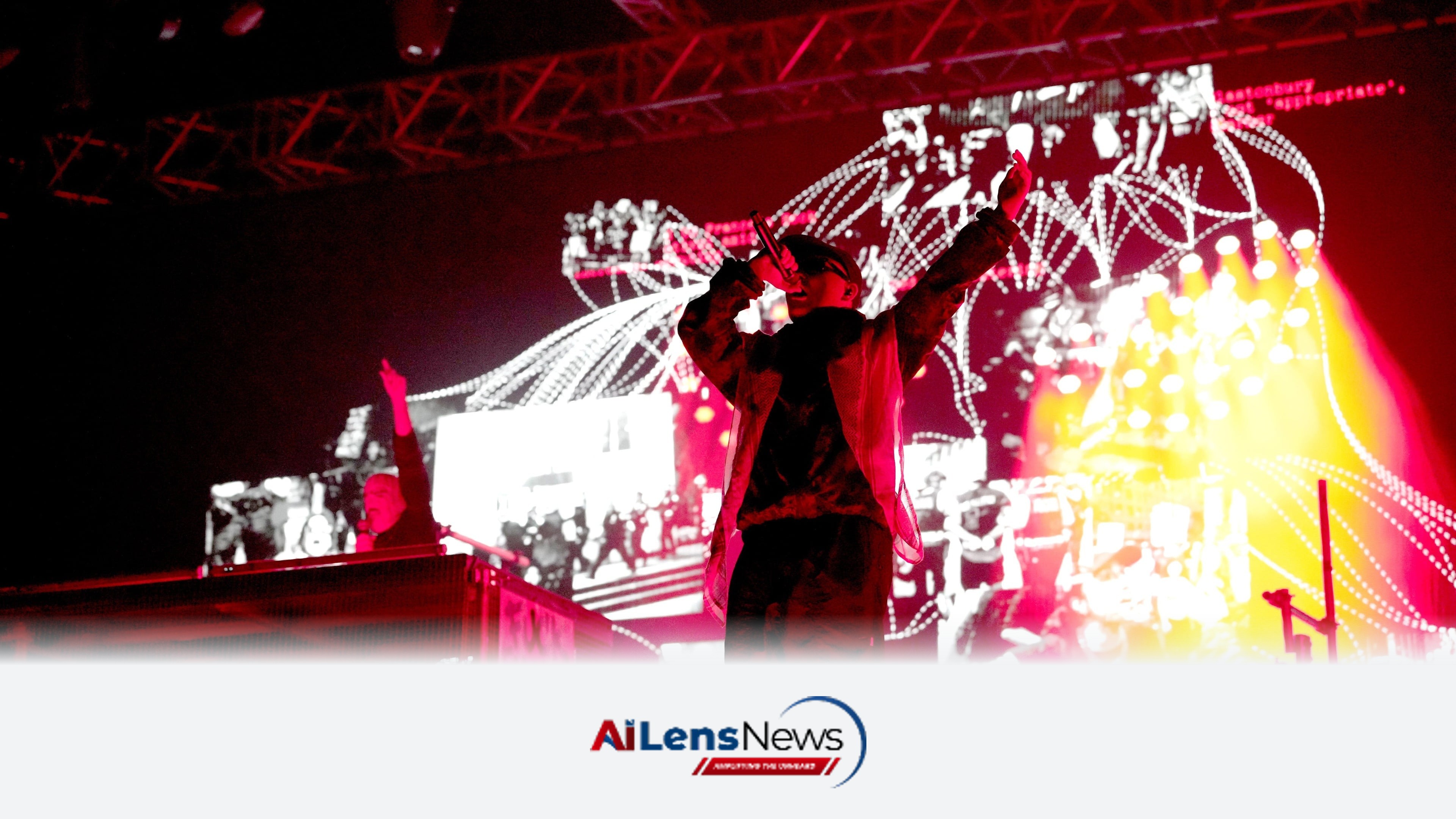



During their performance at the Reading Festival, Irish rap group Kneecap expressed their political stance by condemning Israeli Prime Minister Benjamin Netanyahu.
London, United Kingdom Aug 31, 2026 ALN: Irish rap group Kneecap made headlines during their electrifying set at the Reading Festival by delivering a strong political message against Israeli Prime Minister Benjamin Netanyahu. The group, known for their provocative lyrics and energetic performances, took the opportunity to voice their discontent with Netanyahu's policies, which have been a focal point of international debate and criticism.
As the crowd roared with excitement, Kneecap's frontman shouted, “f*** Benjamin Netanyahu”, a statement that resonated with many in the audience. This bold declaration was not just a spur-of-the-moment remark; it reflected the group's ongoing commitment to addressing social and political issues through their music. Kneecap's lyrics often delve into themes of identity, colonialism, and the struggles faced by marginalized communities, making their performances not only entertaining but also thought-provoking.
The band's performance was characterized by a mix of high-energy beats and sharp lyrics, which often tackle themes of identity, politics, and resistance. Kneecap's unique style, blending traditional Irish influences with contemporary rap, has garnered them a dedicated following both in Ireland and beyond. Their ability to fuse cultural references with modern musical trends allows them to connect with a diverse audience, making their political statements all the more impactful.
The audience's reaction was overwhelmingly positive, with many fans cheering and chanting in support of the group's message. This moment at the Reading Festival highlights the growing trend among artists to use their platforms to address pressing global issues, particularly those related to human rights and social justice. In an era where social media amplifies voices, artists like Kneecap are increasingly aware of their influence and the responsibility that comes with it.
Kneecap's stance against Netanyahu aligns with a broader movement among artists and activists who are increasingly vocal about their political beliefs. The Israeli-Palestinian conflict, which has been marked by decades of turmoil, is a complex issue that elicits strong emotions from people around the world. By taking a stand, Kneecap is not only voicing their opinion but also encouraging dialogue among their fans and beyond. The group's willingness to confront controversial figures and policies has solidified their reputation as not just entertainers but also as advocates for change.
Benjamin Netanyahu has been a prominent figure in Israeli politics for decades, serving multiple terms as Prime Minister. His policies, particularly regarding the Israeli-Palestinian conflict, have drawn criticism from various quarters, including human rights organizations and political leaders. Critics argue that his administration has pursued aggressive settlement policies in the West Bank and has been less than forthcoming in peace negotiations with the Palestinian Authority. These actions have led to heightened tensions and violence in the region, contributing to a polarized global discourse on Israel's role in the conflict.
The complexity of the situation is often reflected in the music of artists like Kneecap, who use their art to express solidarity with those they perceive as oppressed. By calling out Netanyahu, the group aligns itself with a growing number of musicians who are willing to take a stand on international issues, thereby amplifying the voices of those affected by such policies.
This incident at the Reading Festival is a reminder of the power of music as a tool for political expression. Artists like Kneecap are paving the way for a new generation of musicians who feel empowered to speak out against injustice and inequality. The influence of music as a form of protest has a rich history, dating back to the civil rights movement and anti-war protests of the 1960s, and it continues to evolve in today's context.
As the festival continues, it remains to be seen how other artists will respond to the political climate and whether they will follow Kneecap's lead in using their performances to address significant issues. The impact of such statements can resonate far beyond the festival grounds, influencing public discourse and encouraging others to engage in political dialogue. The interconnectedness of global issues means that artists from various backgrounds can find common ground in their messages, fostering a sense of solidarity among diverse audiences.
In conclusion, Kneecap's bold statement at the Reading Festival serves as a powerful reminder of the intersection between music and politics, showcasing how artists can influence their audiences and advocate for change through their art. The group's ability to blend entertainment with activism reflects a broader trend in the music industry, where the lines between artistry and advocacy continue to blur. As more artists embrace this approach, the potential for music to drive social change and inspire political engagement only grows stronger.
To learn more about the latest developments in Events & Award Shows, stay updated with our exclusive reports and analyses on AILensNews.
# tactiq.io free youtube transcript # Ramayana Part 1 Trailer Launch | Ranbir Ka…

The Doha Film Institute highlights its commitment to independent cinema with eig…

K-pop group Enhypen celebrates their first No. 1 album with 'The Sin: Bliss', wh…

Showbox introduces Showbite, a microdrama label focusing on diverse genres, aimi…
Dolly Parton has been laid to rest beside her husband, Carl Thomas Dean, in a pr…