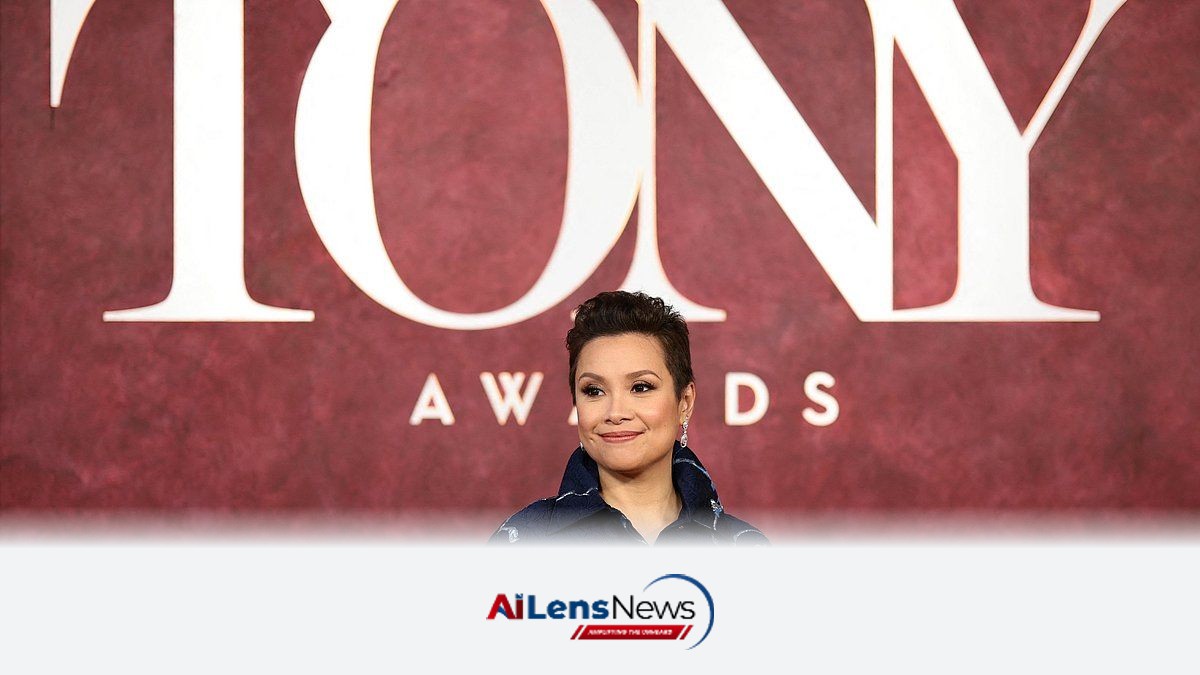



Broadway star Lea Salonga shares her reasons for unfollowing BTS members RM and J-Hope, emphasizing personal well-being over public opinion.
Abu Dhabi, United Arab Emirates Aug 26, 2026 ALN: Broadway star Lea Salonga has opened up about her decision to stop following BTS members RM and J-Hope on social media, clarifying that the move stemmed from personal wellbeing rather than any intent to call them out. This decision comes amidst a heated discussion in the fandom surrounding the two idols’ association with American singer Chris Brown, a figure who has long been a source of controversy due to his legal troubles and history of violent behavior.
The Tony-winning singer addressed the topic on Threads after a follower asked if her stance had shifted on the ongoing controversy tied to the two idols and Brown. Salonga, known for her powerful voice and strong opinions, has a significant following, and her comments have drawn considerable attention from both fans and critics alike.
In her response, Salonga was quick to downplay her own influence, noting that whatever she chooses to do personally won't change much, beyond perhaps stirring some reaction among fellow fans, something she said she was prepared to accept. "Yes I did unfollow, but I did it for my own sake. It’s not meant to be punitive to either of them, at all. But I recognised that I was waking up sad and/or upset, or finding myself way too affected. This was unhealthy so I took a step back, for me," she said. This statement reflects a growing awareness among public figures about the emotional toll that social media can take, particularly in the context of fandoms that can be intensely passionate and sometimes divisive.
Salonga confirmed that the unfollow was indeed real but pushed back on any suggestion that it was meant as a punishment or protest directed at either member. Her clarification comes at a time when the dynamics within fandoms are increasingly scrutinized. Fans often feel a sense of ownership over their idols, leading to heightened reactions when those idols engage with controversial figures.
She then elaborated on what actually drove her decision; she had noticed the controversy was taking a toll on her emotionally, leaving her waking up feeling upset or overly consumed by it. Recognising that pattern as unhealthy, she said stepping back felt like the right call for her own peace of mind. "As many fans have rightly pointed out, we are owed nothing really. They are autonomous human beings, but so am I, and whatever decisions I make are mine alone," she added. This reflects a broader trend in which artists and public figures are increasingly prioritizing their mental health and well-being, a message that resonates with many individuals navigating the complexities of online interactions.
The controversy stems from RM and J-Hope's appearance at a Chris Brown concert in Toronto, where the two were seen posing with the singer backstage. This incident ignited a wave of criticism from segments of BTS's fanbase, many of whom cited Brown's troubled legal history, most notably his 2009 assault on Rihanna, as the source of their discomfort. Brown's history of violence and legal troubles has made him a polarizing figure, and many fans were quick to express their disappointment at the association, feeling that it contradicted the values they believe BTS represents.
J-Hope further fueled discussion by posting clips from the show, including a moment of the pair singing along to Brown's track Look at Me Now. The optics of the situation did not sit well with a segment of BTS's fanbase, leading to a backlash that questioned the appropriateness of their engagement with Brown. This incident has highlighted the complexities of celebrity culture, where the actions of public figures can have far-reaching implications for their careers and relationships with fans.
In the wake of this controversy, discussions have emerged about the responsibilities artists have toward their fans and the impact of their actions on public perception. Fans often feel a deep emotional connection to their idols, which can lead to heightened reactions when those idols appear to act contrary to the values or beliefs that fans hold dear. This phenomenon is not unique to BTS; it is a trend observed across various fandoms, where the intersection of celebrity and social issues creates a charged atmosphere.
As the conversation continues, it remains to be seen how RM and J-Hope will navigate the fallout from this incident and what it means for their relationship with their fanbase. The implications of their actions extend beyond personal choices, touching on broader themes of accountability, celebrity culture, and the evolving dynamics between artists and their audiences.
In the context of the ongoing dialogue about mental health and social media, Salonga's decision to unfollow serves as a reminder that individuals must prioritize their own well-being, even in the face of public scrutiny. As fans and artists alike grapple with the complexities of modern fandom, the need for open communication and understanding remains paramount. The situation underscores the importance of recognizing the humanity of both fans and artists, as they navigate the often tumultuous waters of public life.
As the situation develops, it will be crucial for all parties involved to engage in constructive dialogue, fostering an environment where fans can express their concerns while also respecting the autonomy of the artists they admire. This incident may serve as a pivotal moment for BTS, their fans, and the broader entertainment industry, highlighting the need for sensitivity and awareness in an increasingly connected world.
To learn more about the latest developments in Celebrities & Influencers, stay updated with our exclusive reports and analyses on AILensNews.

