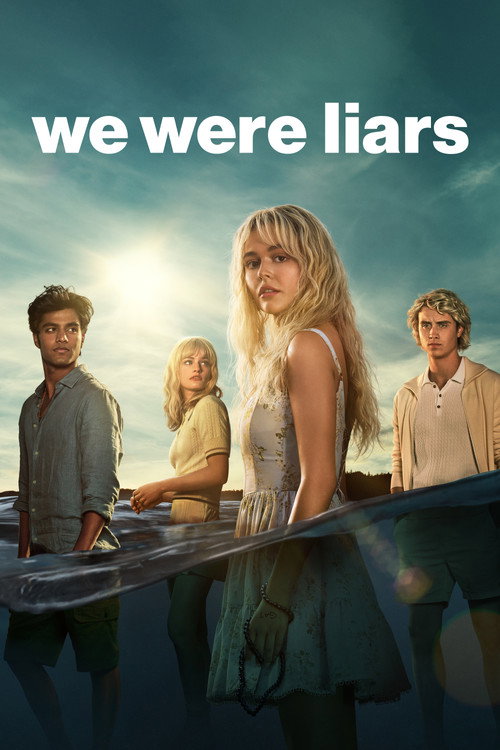









'We Were Liars' attempts to weave a spell of secrets and lies, drawn against the summer backdrop of Beechwood Island — a private Eden for the affluent Sinclair family. The series takes full advantage of its setting, employing the weight of the family's history as a character in its own right. At the center of this family saga is 17-year-old Cadence, portrayed with a haunting intensity that leaps through the screen, as she grapples with the gaps in her memory stemming from a mysterious accident. Her determination to uncover the truth proves compelling, drawing the audience into her web of confusion and desire for understanding.
The performances are a highlight; Cadence’s portrayal is both fragile and fierce, embodying the character’s conflicting emotions. The cast surrounding her, especially her childhood friends, aptly dubbed “The Liars,” offers layers that enrich the family dynamics. Their interactions are often fraught with tension, expertly demonstrating the interplay of loyalty and betrayal, which is the crux of the show's appeal. Here, the tension beats like a drum, synced to the waves lapping against the island’s shores.
However, while the psychological intrigue is engaging, 'We Were Liars' suffers from structural inconsistencies that detract from its deeper themes. The pacing occasionally stumbles, with episodes that feel like they stretch on without yielding significant revelations. This unevenness creates frustration, particularly as the series teeters between moments of genuine suspense and drawn-out exposition that can dilute the stakes. The show seems to grapple with itself, oscillating between engrossing storytelling and convoluted plotting that risks alienating viewers hoping for clarity.
The cinematography complements this psychological drama, crafting a sun-soaked ambiance that is both magical and menacing. There’s an unsettling beauty to the island, which mirrors the allure and danger of the Sinclair family's secrets. The visual choices add richness to the narrative, providing a stark contrast between the idyllic surface and the turbulent undercurrents that run beneath. Music, meanwhile, enhances the emotional beats, with a score that evokes both nostalgia and unease, expertly ripe for moments of revelation and introspection.
Despite its strengths, the series does not escape the pitfalls of its ambition. Critically, while the family dynamics and glamorous aspiration evoke comparisons to 'Succession', they too often feel like a shallow imitation lacking in emotional profundity. The complex relationships among characters are often overshadowed by the convoluted storytelling that jeopardizes the relatability of their struggles. The repetitive cycles of deception sometimes lead to disengagement rather than deeper engagement with the characters' plight, which could leave audiences feeling emotionally uninvested in the eventual revelations.
In the end, 'We Were Liars' presents a series that captivates with its premise and aesthetic appeal but falters in its execution. Its ability to create an atmosphere thick with intrigue keeps viewers glued to the screen, even when the plot zigs and zags through inconsistencies. While the show is certainly not void of merit, the audience may find themselves grappling with as many questions as Cadence faces in her own journey to the truth. The vision behind this series is clear — to tell a tale of unmasking family secrets rife with the tension of youth and betrayal — but the storytelling sometimes obscures the very truths it's trying to reveal.
Ultimately, 'We Were Liars' captures the allure of secrets and drama among the wealthy, but lacks the narrative strength to fully engage and enchant. It wavers between moments of brilliance and slips into muddled storytelling, leading to an experience that feels more like a pilot episode than a well-rounded story. For viewers who relish a gripping blend of teenage drama and family intrigue, this series may indeed be worth watching, but one can’t fault anyone who chooses to take the plunge with cautious enthusiasm.