

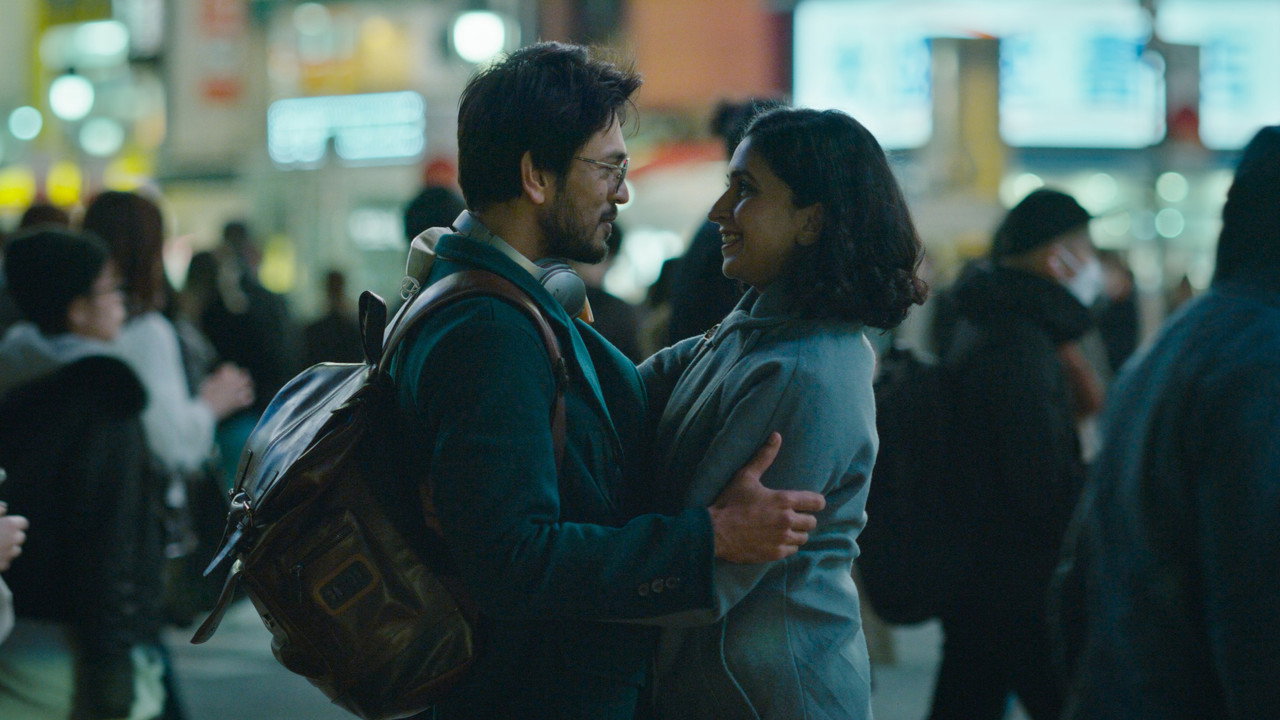






Toh, Ti Ani Fuji is a film that lingers in your mind long after the credits roll, marrying a rich narrative with stunning visuals. The whirlpool of emotions that defines the passage of time in relationships is explored here with a rare blend of realism and artistry. Following a couple from Pune whose intense romance falters under the weight of ambition and time, the film makes a compelling case for the complexity of love in the modern world.
What stands out immediately is the film's ability to capture the raw, exhilarating essence of young love, particularly in its early sequences where desire and urgency fuel their connection. In these moments, the cinematography effectively mirrors their passionate entanglement—vibrant colors and swift edits reflect the frenzied pace of their initial infatuation. This approach not only immerses the viewer in their emotional state but also sets a sharp contrast to the quieter, more contemplative second act that unfolds beneath the silent gaze of Mount Fuji.
Seven years later, the couple's reunion exposes the scars of their past and the complexities that have formed in their absence. The film's strength lies in its exploration of how personal growth can challenge relationships. The interactions between the lead characters, played with nuance by the talented ensemble, are marked by layers of unspoken history. Their dialogues feel authentic, reflective of two people trying to reconcile who they were with who they have become—a theme many can relate to.
The film avoids melodrama, opting instead for a mature portrayal of love's pitfalls. This commitment to realism makes moments of vulnerability deeply affecting. However, the pacing starts to falter as the narrative progression slows and the script verges on becoming languid in its middle acts. While some viewers might appreciate this reflective pace, others may find the film drags during critical moments, risking disengagement.
The script is punctuated with poignant lines that reveal deep-seated fears and protective barriers built over years, adding texture to the character dynamics. Yet, it also feels at times that certain character developments are left undeveloped, leaving questions about their motivations. For instance, one character’s emotional journey could benefit from deeper exploration to balance the intricate dance between their affection and resentment.
Cinematographer John Do’s work in capturing the surreal beauty of both Pune and Japan deserves special mention. The way he frames the scenes—especially the expansive shots of Mount Fuji—enhances the emotional gravity of the narrative, reminding us of nature's indifference to human frailty. Quiet, reflective moments often provide a counterpoint to the verbal exchanges, allowing viewers breathing room to absorb the weighty themes at hand.
Music also plays a crucial role in Toh, Ti Ani Fuji, with the score amplifying the emotional beats, driving home the shifts in tone through soft melodies or stirring crescendos. The soundscape is beautifully orchestrated, aligning perfectly with the emotional ebbs and flows of the story.
Despite its strengths, the film doesn’t entirely evade the pitfalls common in relationship dramas. Some moments feel drawn out, testing the viewer's patience when a tighter narrative could have heightened the tension. The complexity of emotions is admirable, but at times, the character motivations lack clarity, leading to moments that feel unresolved rather than contemplative.
Toh, Ti Ani Fuji is not without its imperfections, yet it resonates powerfully with anyone who has grappled with love's complexities. Its haunting meditation on memory and second chances feels incredibly relevant in a world where relationships are often commodified and fleeting. In absorbing this work, one is prompted to reflect on their own histories, making the film a deeply personal experience.
While it may require a careful audience that is willing to embrace its slower moments, the film ultimately presents a rich tapestry of emotions that offers much to ponder. Its commits to the layered complexity of love and illustrates how it evolves—or can decay—over the years, making it a compelling yet contemplative watch.