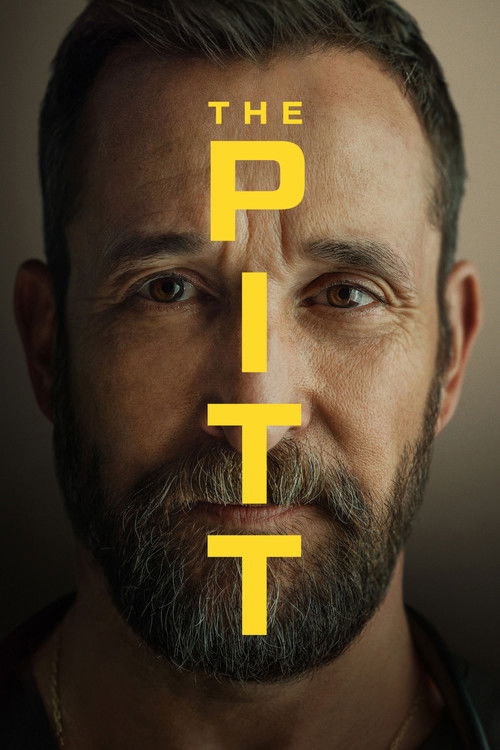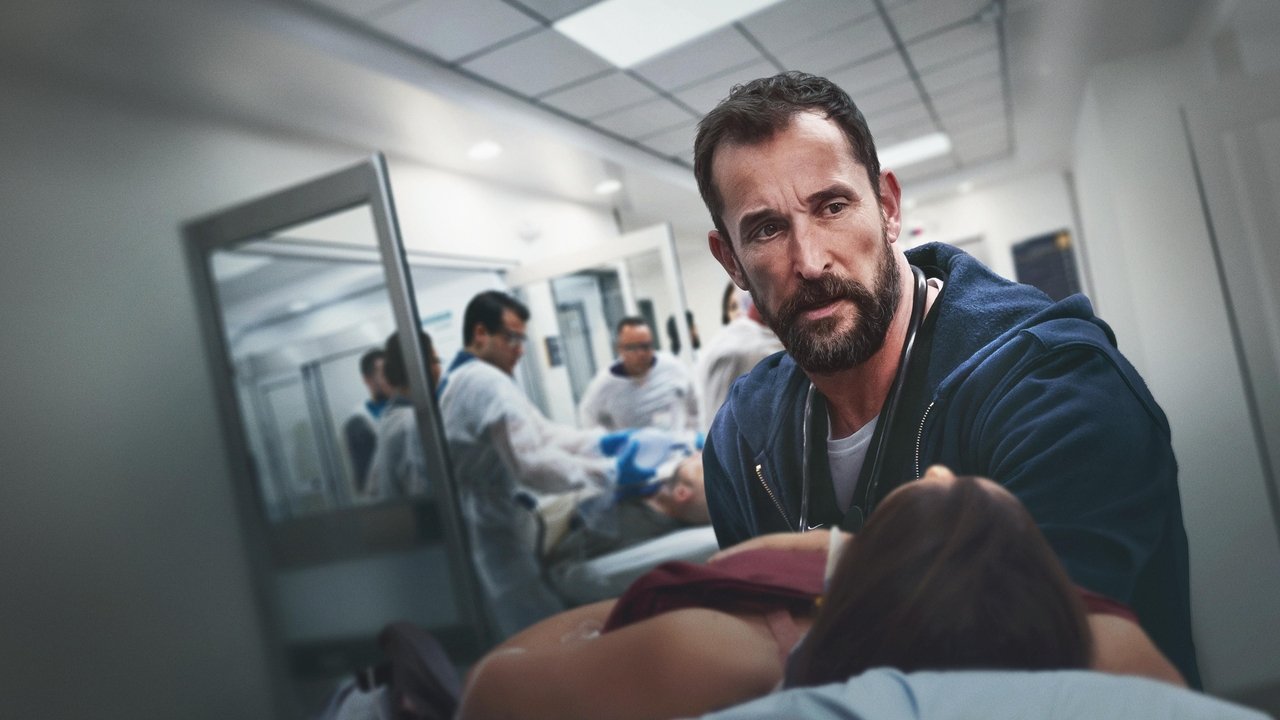









The complexities of emergency medicine can often feel like a battleground, and 'The Pitt' immerses viewers directly into the chaos of Pittsburgh's Trauma Medical Center. At the heart of the series is Dr. Michael 'Robby' Rabinavitch, portrayed with compelling depth by Noah Wyle. His nuanced performance captures both the fervor and the exhaustion of a doctor navigating life-and-death decisions in an overcrowded, underfunded emergency department, providing a visceral entry point into the modern healthcare crisis.
The show's greatest strength lies in its authentic portrayal of the daily challenges faced by medical professionals. The writers skillfully draw upon a mix of procedural elements and personal stories, effectively juxtaposing the frenetic pace of the ER against the lives of the doctors and nurses who populate it. This structure is reminiscent of classic medical dramas but does not shy away from the realities that contemporary healthcare providers must face: budget cuts, overworked staff, and systemic inefficiencies.
However, while the series sets out to deliver an intense experience, there are moments where it leans into melodrama instead of sustained tension. A few plotlines feel contrived, creating a sense of predictability that undermines the otherwise engaging premise. The potential for nuanced storytelling is sometimes overshadowed by avoidable narrative clichés. For instance, episodes devoted to personal crises can occasionally divert focus from the overarching issues that the show's main landscape so powerfully evokes.
Wyle’s portrayal is undoubtedly the anchor of the series; his insistence on embodying the charisma and desperation of Dr. Rabinavitch makes his character incredibly relatable. Scenes showcasing him grappling with difficult ethical decisions resonate deeply, as they reflect real-life dilemmas faced by healthcare workers. Supporting performances are also robust, with skilled actors adding dimension to the narrative. Yet, even with strong individual portrayals, the overall ensemble does not consistently receive the development that might elevate their arcs. This leaves some secondary characters feeling undercooked, a missed opportunity given the rich backdrop of Pittsburgh’s trauma center.
In terms of production quality, 'The Pitt' shines with its high technical standards. The cinematography effectively captures the frenetic energy of the ER, with quick cuts that convey urgency while maintaining clarity. Sound design, particularly during critical moments, heightens the stakes without becoming overwhelming. The medical procedures depicted feel grounded in reality, bolstered by the consultation of healthcare professionals during production, which has led to commendations from real-life practitioners for its authenticity.
Yet, the balance between realism and entertainment sometimes tips too far into the territory of cliffhangers and overdramatized scenarios. While this may serve to attract audiences seeking emotional catharsis, it can detract from the show’s potential as a more straightforward commentary on systemic issues within healthcare. A little restraint in the writing would allow the authenticity of the situation to speak for itself, rather than relying on well-worn tropes that risk alienating discerning viewers.
Ultimately, 'The Pitt' remains a fresh addition to the medical drama genre, spearheaded by a magnetic performance from Wyle and grounded in the gritty realities of emergency medicine. It's a show that deserves applause for its effort to present an authentic depiction of healthcare struggles, even if its storytelling doesn't always match the intensity of its ambitions. The blend of high stakes and personal vulnerability will resonate with many, even if it occasionally stumbles into formulaic territory. Those looking for an unfiltered glimpse into the world of trauma care will find much to appreciate, while others might hope for a touch less melodrama and more narrative cohesion in future episodes.