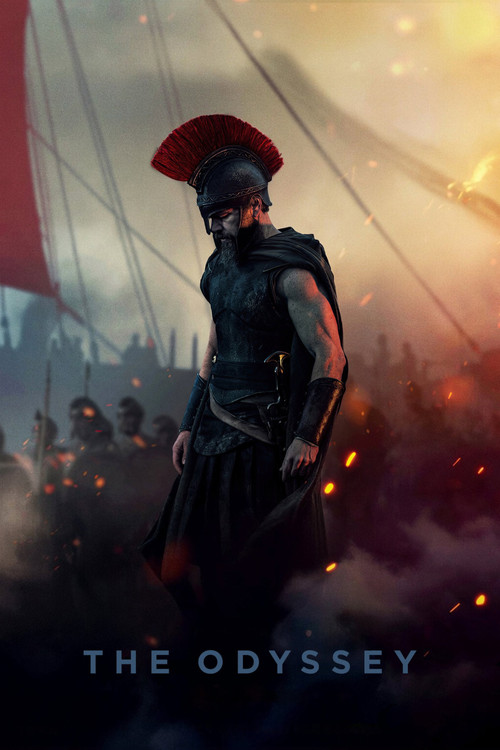
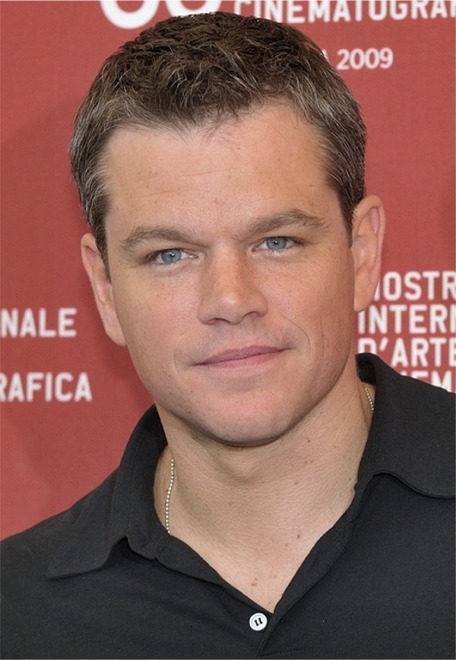





In Christopher Nolan's adaptation of 'The Odyssey,' he reimagines the ancient tale of Odysseus with both reverence and daring innovation. The film explores not just the protagonist's perilous journey home, but also the fragility of human perseverance against cosmic forces, a theme that resonates deeply within Nolan's oeuvre. The central performance by Matt Damon as Odysseus is magnetic; he captures both the heroic bravado and the vulnerability that comes with being a man stretched to his limits. His nuanced portrayal navigates the myriad challenges posed by the gods and mythical creatures, making each trial feel consequential, not merely a plot device.
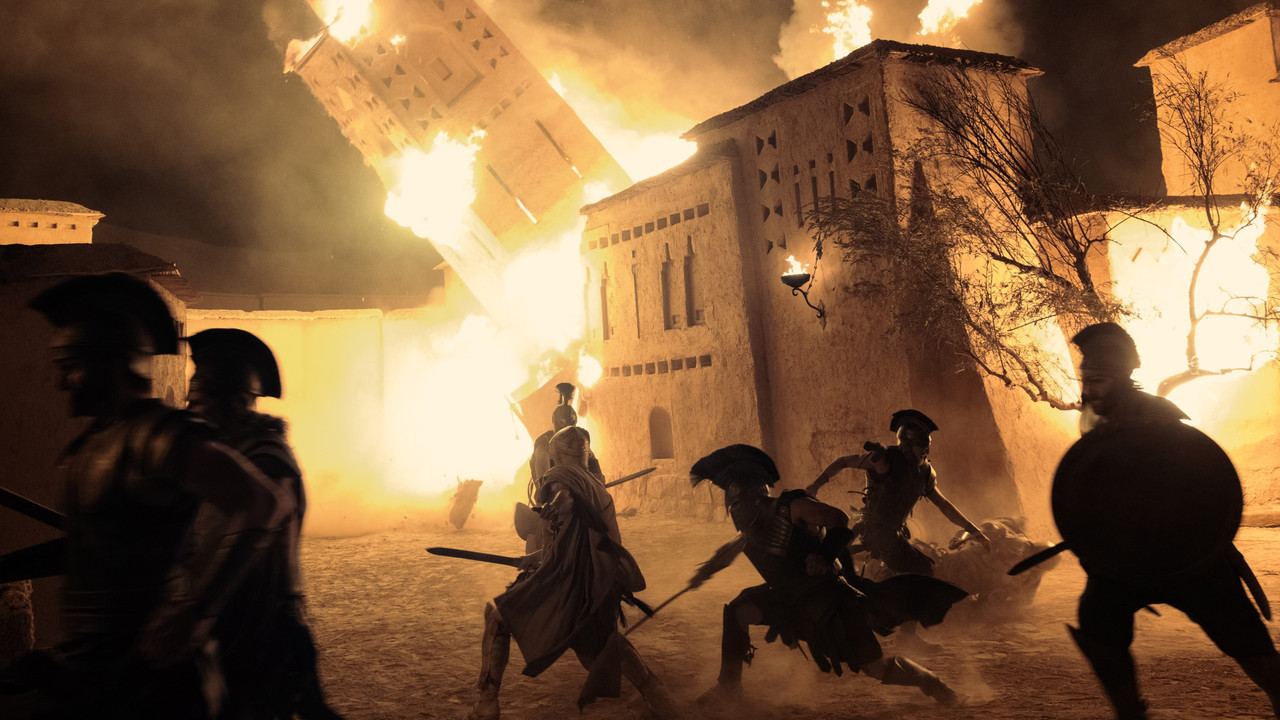
Visually, 'The Odyssey' is a feast for the eyes. Shot with immense care for detail, the cinematography immerses the audience in its rich tapestry of mythological landscapes, from treacherous seas to divine realms. The film’s ambitious scale is particularly impressive when viewed in IMAX, where the full impact of its visual artistry is on display. Special effects coupled with practical environments create a spellbinding experience, inviting viewers to lose themselves in both grandeur and intimacy. Nolan’s collaboration with his long-time cinematographer brings forth a luminous quality that elevates the film beyond mere spectacle.
However, beneath the grandeur lies a few technical missteps that detract from the overall experience. Reports of Automatic Dialogue Replacement (ADR) issues disturb the seamlessness expected from such a high-caliber production, leading to awkward audio moments that pull the viewer out of the narrative. Sound mixing falters at critical junctures, making certain dialogue difficult to catch amid the sweeping scores and atmospheric sounds. These deficiencies feel incongruous in a film that is otherwise meticulously crafted.
Despite these setbacks, the film flourishes in its storytelling ambition. Nolan ambitiously draws connections between Odysseus's mythic journey and more contemporary themes of existential struggle and resilience. Anne Hathaway as Penelope offers a powerful counterpoint. Her portrayal of a woman waiting with unwavering strength and agency gives texture to the narrative. Together, their dynamic showcases a compelling emotional core amid a sprawling epic.
The pacing, while grand, at times drags as the film stretches its narrative across its lengthy runtime of 172 minutes. Much like Odysseus's own trials, some sequences feel prolonged, diving deep into philosophical musings that may test the patience of viewers expecting a more straightforward adventure tale. While the exploration of characters and myth is meaningful, tighter editing might have strengthened the overall impact, ensuring that even the most contemplative scenes kept the audience engaged.
Not to be overlooked, the film's score adds an entire layer to the journey that Odysseus takes. Composed with Nolan’s trademark flair, it swells and contracts with the emotional intensity of each scene, forging a connection between the visuals and the narrative that is hard to overlook. Yet, for all its strengths, one can’t help but wish the audio elements, including dialogue, matched the cohesive quality of the orchestral score.
'The Odyssey' stands as a testament to Nolan's vision—ambitious, grandiose, and deeply resonant. It is not without its flaws, including a few uneven technical aspects and pacing issues that momentarily rob it of its seamlessness. Yet, its powerful narrative themes and stellar performances make it a ride worth taking. For those willing to overlook these difficulties, the film presents an enthralling interpretation of a timeless classic, firmly establishing its place in the modern cinematic landscape. Nolan’s take invites both admiration and criticism, ensuring that discussions around it will continue long after the credits roll.