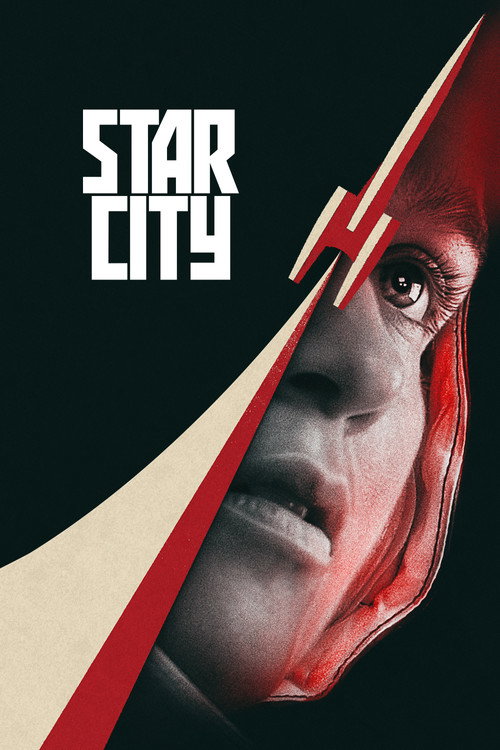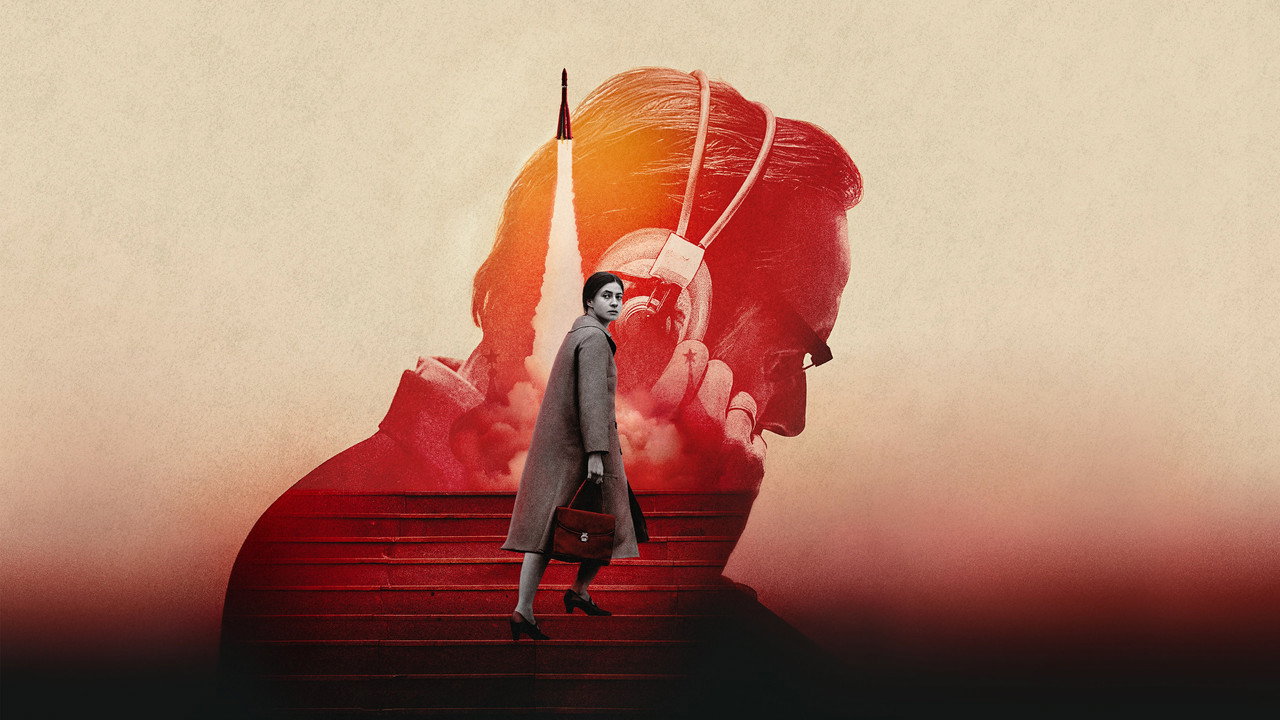









Star City immerses the viewer in an alternative historical narrative that explores the often-overlooked perspective of the Soviet Union during the tumultuous space race. By shifting focus from popular Western portrayals to the intricacies behind the Iron Curtain, the series invites a renewed appreciation for the complexities of politics, technology, and human ambition. This fresh approach not only enriches the narrative landscape established in For All Mankind but transforms it into a riveting, character-driven drama. However, while the show succeeds in creating a rich atmosphere, it also stumbles with certain pacing issues that detract from the overall experience.
The series opens with a striking visual style, immediately enthralling viewers with its meticulous art direction that captures the 1960s aesthetic. From sleek control rooms filled with Soviet-era technology to the stark contrast of desolate Eastern landscapes, the attention to detail is commendable. Cinematographer Ivan Petrov brings a distinct sense of urgency to the sequences involving rocket launches and clandestine meetings, evoking the tension inherent in the Cold War era. Each shot is expertly framed, enhancing the visual narrative and communicating the stakes involved.
Performances across the cast are noteworthy, particularly that of lead actor Anatoly Vinogradov, who embodies a conflicted cosmonaut torn between duty to his country and personal aspirations. Vinogradov’s portrayal brings a poignant depth to the character's struggles—his silent moments of doubt communicate volumes without uttering a word. Coupled with a strong supporting cast that includes seasoned actors playing cunning engineers and shrewd intelligence officers, the performances collectively craft a believable tapestry that underscores both the personal and societal costs of ambition.
However, the narrative's pacing occasionally falters. The show ambitiously juggles multiple storylines—from space missions to domestic espionage—which can sometimes lead to moments of drag. Certain episodes feel padded, with extraneous character arcs that detract from the pulsating core of the story. Particularly, the introductory episodes spend considerable time setting up the characters and their motivations, leaving some viewers yearning for a quicker dive into the action. While the slow build ultimately pays off with rich character development, it risks losing audiences who crave immediacy in their viewing experiences.
One notable aspect of the writing is how it deftly intertwines scientific realism with character-driven storytelling. The series balances technical details—grounded in thorough research—with the human elements of fault, fear, and resolve. This fusion results in scenes that are both intellectually stimulating and emotionally resonant. However, this ambition is occasionally hampered by uneven dialogue delivery, particularly during high-stakes moments where the intensity could have been heightened. Some accents made for uneven authenticity, intermittently pulling viewers out of the immersive experience.
Furthermore, the sound design deserves recognition. The score, composed by Elena Morozov, is both haunting and invigorating, elevating dramatic tensions and providing an atmospheric backdrop to the unfolding events. The strategic placement of traditional Soviet music amidst a modern composition adds an extra layer of authenticity, enhancing the theme of cultural juxtaposition present throughout the series.
While Star City shines in many areas, eager viewers might find the pacing a significant reservation. The foundation is strong, with a powerful narrative and impressive technical execution. However, the series could benefit from tighter editing to maintain momentum and keep audiences engaged. As it stands, it's an ambitious and artistic portrayal that puts a spotlight on an alternate history worth exploring more deeply.
In summation, Star City is a solid offering for both history enthusiasts and fans of character-driven dramas. It dares to ask what might have been while providing an enthralling glimpse into the human spirit’s relentless quest for greatness. With some refinements, it has the potential to be an unforgettable series bridging historical accuracy with compelling drama. It's definitely worth a watch, especially for those keen on seeing the often oversimplified narratives of the space race expanded and enriched.