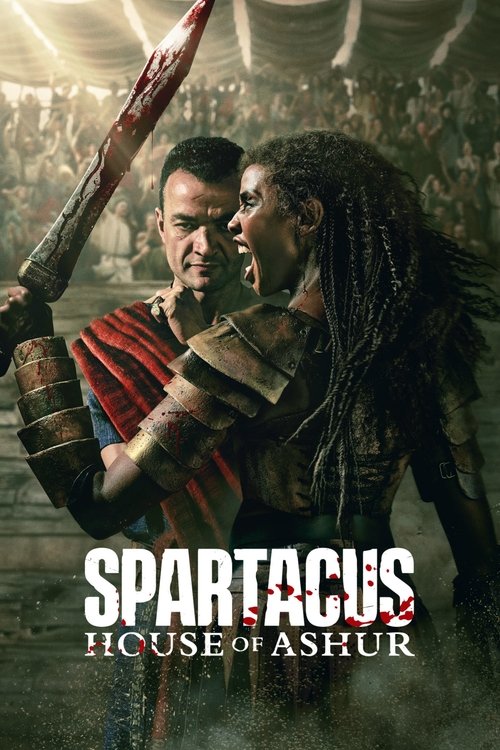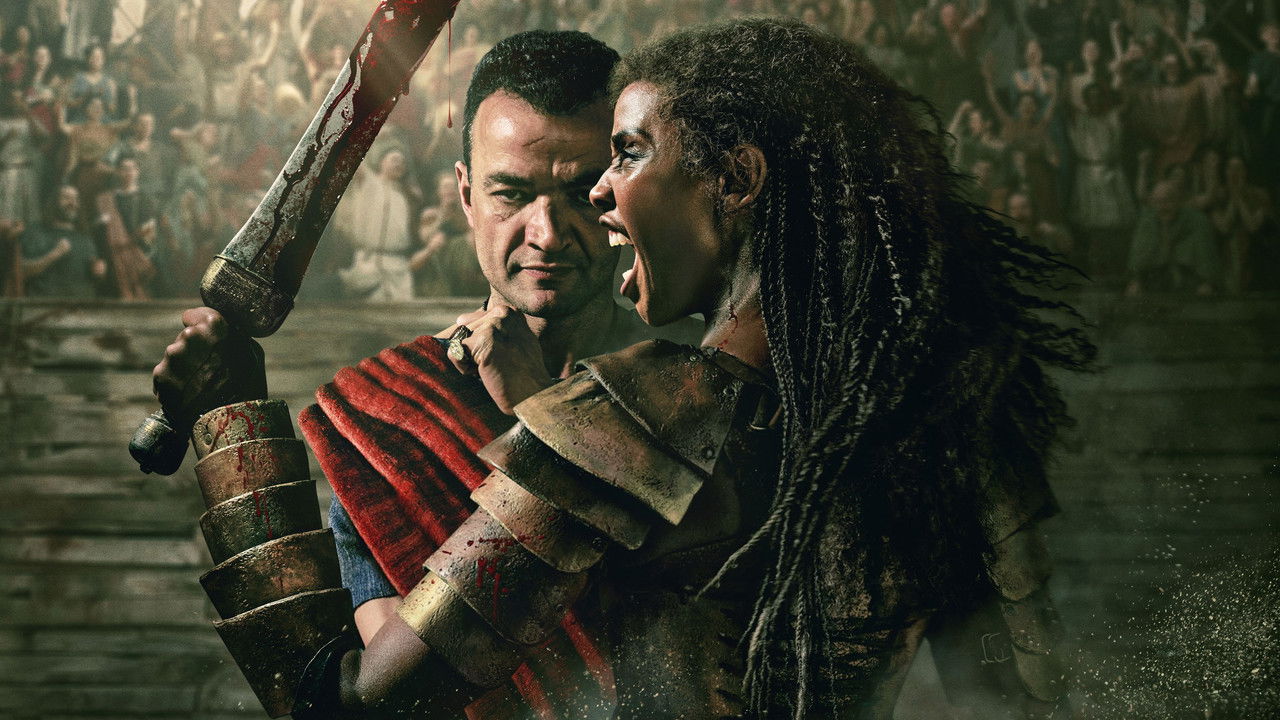







In a landscape dominated by reboots and extensions of beloved franchises, 'Spartacus: House of Ashur' emerges as a bold but flawed attempt to breathe new life into the iconic series. Centered on Ashur, the cunning gladiator played by Nick E. Tarabay, the show dives into a world where survival has turned into ruthless ambition. It's an enticing concept, but the execution reveals significant cracks that leave viewers divided.
Tarabay’s portrayal of Ashur is commendable; he embodies a charismatic but treacherous figure, keenly navigating the political labyrinth of the ludus he now controls. Alongside him, Tenika Davis shines as Achillia, a fierce gladiatrix whose alliance with Ashur adds both prowess and intensity to the narrative. Their dynamic is one of the standout aspects of the series, leveraging gender and power struggles in a patriarchal world that is both expansive and dangerously concise.
The visuals maintain the franchise's characteristic flair, with battles featuring high production value, lavish sets, and a palette rich in tones that evoke both luxury and violence. The choreography in the fight sequences is notably well-crafted, allowing for a visceral experience that immerses the audience in the brutality of the arena. However, while these aesthetics may initially impress, they become increasingly hollow as the season progresses. The series seems to revel in its gore and excess—the blood-soaked battles that defined the original series return, yet with a diminished sense of stakes. The overindulgence in spectacle distracts from developing a meaningful narrative arc.
The political intrigue is present, but it feels secondary to the bloodletting and eroticism, lacking the nuanced storytelling that once elevated 'Spartacus' above mere titillation. It’s as if the show wants to reclaim its legacy while simultaneously forgetting the elements that made it resonate. Even more disheartening, moments that could have been fertile ground for exploration often slip away, leaving viewers to sift through superficial conflicts that fail to engage on a deeper emotional level.
Among the unfolding drama, there are instances of clever plotting and compelling character choices. However, these glimpses of brilliance often lead to uneven pacing, bogging down the narrative with excessive filler episodes aimed at showcasing elaborate set pieces rather than advancing character development. As the season ambles toward its conclusion, the promise of Ashur’s power play becomes diluted with predictable twists and a reliance on cliche. Instead of crafting the intricate interplay of politics that fans might expect, the series often opts for contrived scenarios that strain credulity.
Audience reception reflects this dichotomy. While an eager few herald the return to the franchise’s roots, others bemoan the loss of the original's depth—indicative of how fine a line this series walks. Viewers who thrived on the complex narratives and character motivations will find themselves yearning for a richness that seems to have been sacrificed for more visceral thrills.
In summation, 'Spartacus: House of Ashur' is filled with potential but falters due to its uneven storytelling and an overreliance on visual spectacle. The strong performances by Tarabay and Davis offer glimmers of hope but ultimately can’t carry the weight of a narrative that, while ferociously entertaining at times, fails to resonate like the original series. With a blend of audacity and fatigue, this return may not satiate the bloodlust of the franchise's most ardent fans, slipping into the annals of entertainment as a bold yet incomplete experiment.